

Knowledge

Micro Metal Injection Molding for Medical Devices
Micro metal injection molding can manufacture precise and complex small devices in the medical device industry, such as micro surgical tools, implants and sensors. These products not only require high precision, but also must meet strict hygiene standards, and μMIM...
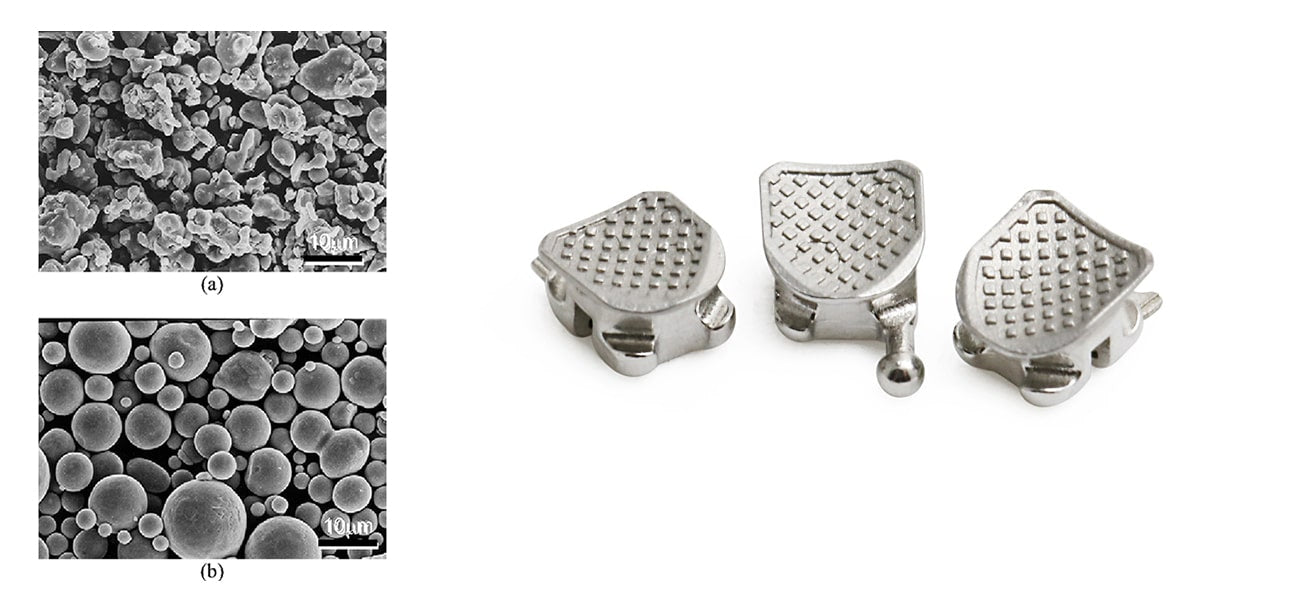
What is Metal Injection Molding Powder?
Metal Injection Molding (MIM) powder is the basis of MIM raw materials. MIM powder determines the sintering process and final performance, while the additional binder material determines the injection molding process and debinding method. Therefore, MIM powder is the most...

Heißmetal Powders for Hot Isostatic Pressing
Hot Isostatic Pressing (HIP) is a development in manufacturing technology in which powders and solids, especially ceramics and metals, are hot pressed and sintered simultaneously. The component is inserted into a deformable, sealed container. This container is placed in a...
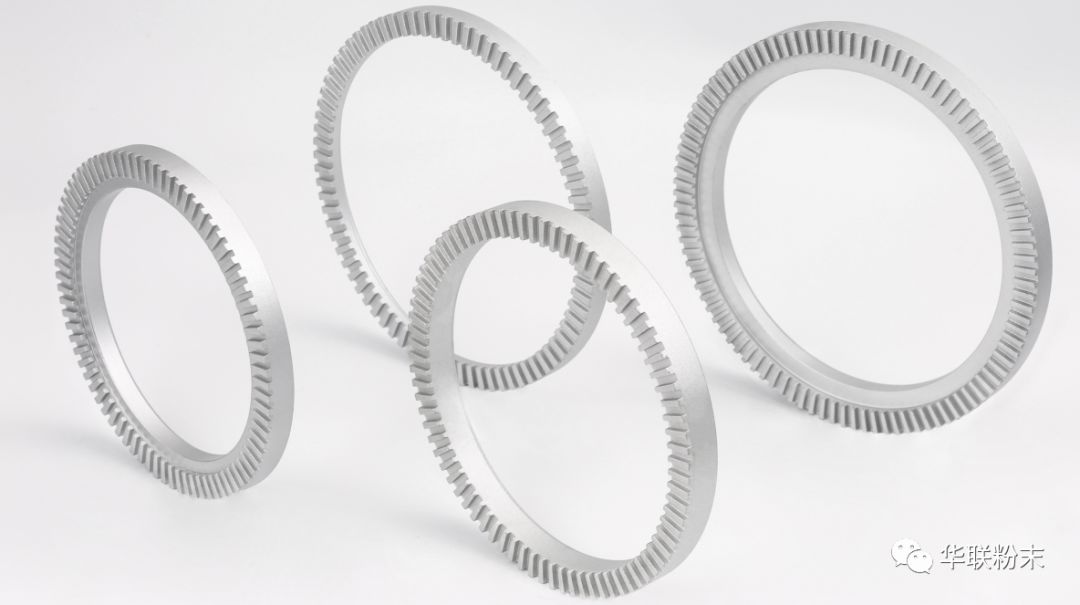
Importance of Sizing in Powder Metallurgy
Powder metallurgy is a manufacturing technology that prepares metal powder into complex-shaped parts through processes such as pressing and sintering. With the continuous development of industrial technology, powder metallurgy has been widely used in industries such as automobiles, aerospace, electronics...
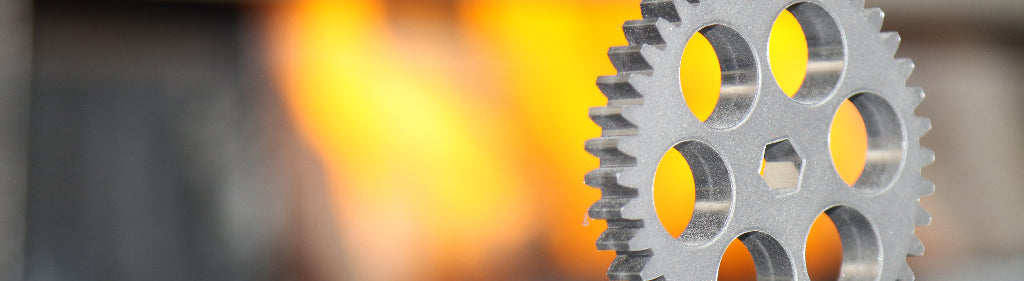
Sintering Defects and Causes of Cemented Carbide
Sintering refers to a process of converting powdered materials into dense bodies, which is a very important step in the production process of cemented carbide. The sintering process of cemented carbide can be divided into four basic stages: removal of...
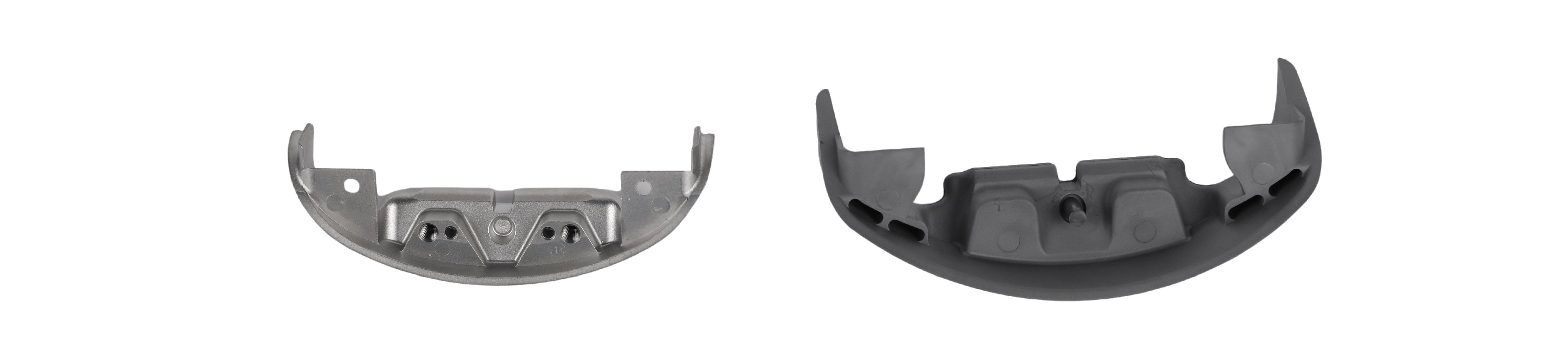
New Sintering Technology: Preparing Bulk Metal Parts in 30 Seconds
Sintering is a part processing technology that hardens metal powder and bakes it at a temperature lower than the melting point of the metal to make "parts forming". This process is called powder metallurgy. The hardened and formed parts are...
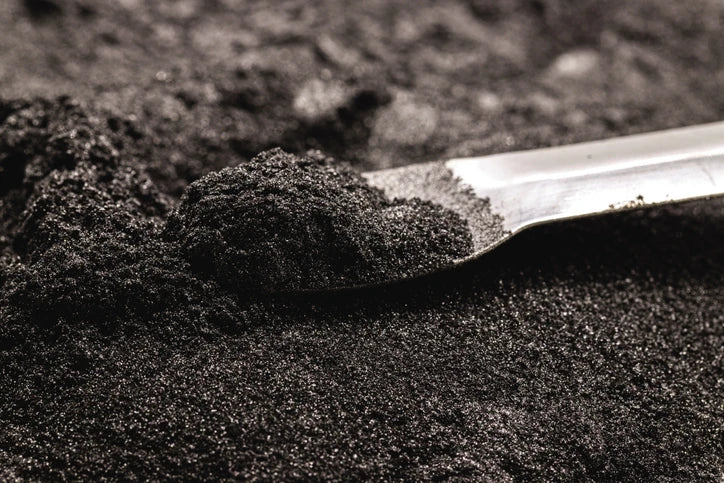
Practical Application of Blending in Powder Metallurgy
Blending in Powder MetallurgyPowder metallurgy is of great importance in the reproduction and processing of substances with high melting points such as refractory metals. This is because these metals are difficult to produce by other means such as casting and...
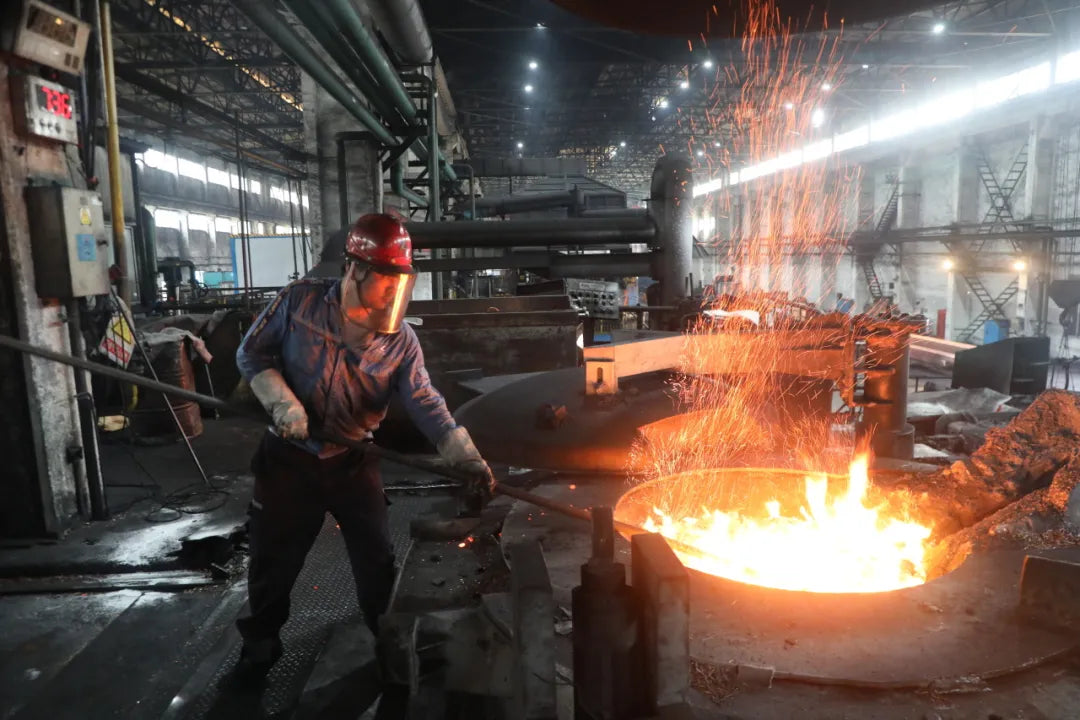
How to Perform Atomization of Powder Metallurgy?
Atomization in powder metallurgy is an important process that involves converting molten metal into fine particles using a high-speed jet of liquid or gas. This method is widely used due to its ability to produce powders with controlled particle size...
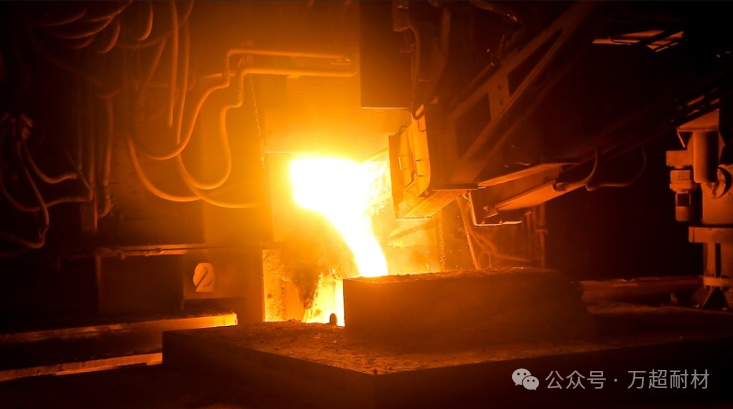
Atomization Process in Powder Metallurgy Based on Satellite Powder Technology
Metal melt gas atomization is an important method for preparing metal powders for additive manufacturing. However, the powders obtained by gas atomization are usually mixed with a large amount of satellite powder, which has an adverse effect on the metal...