

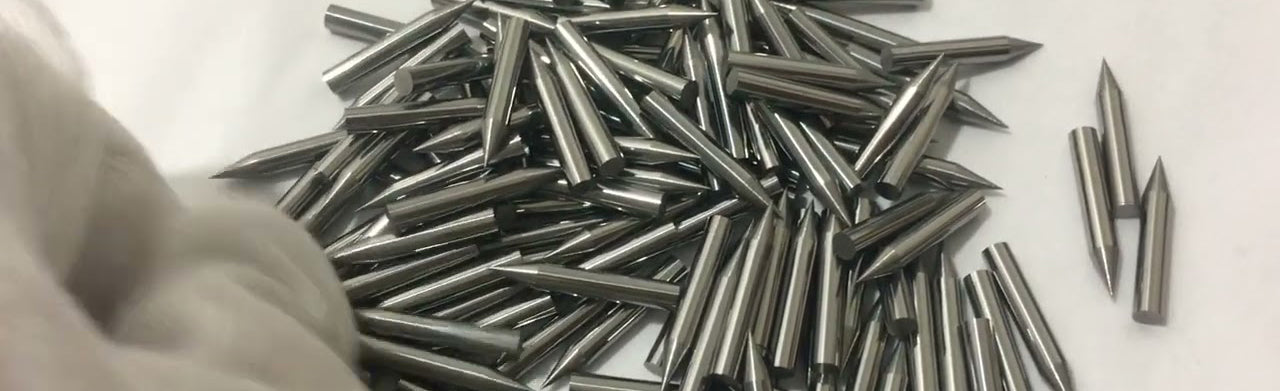
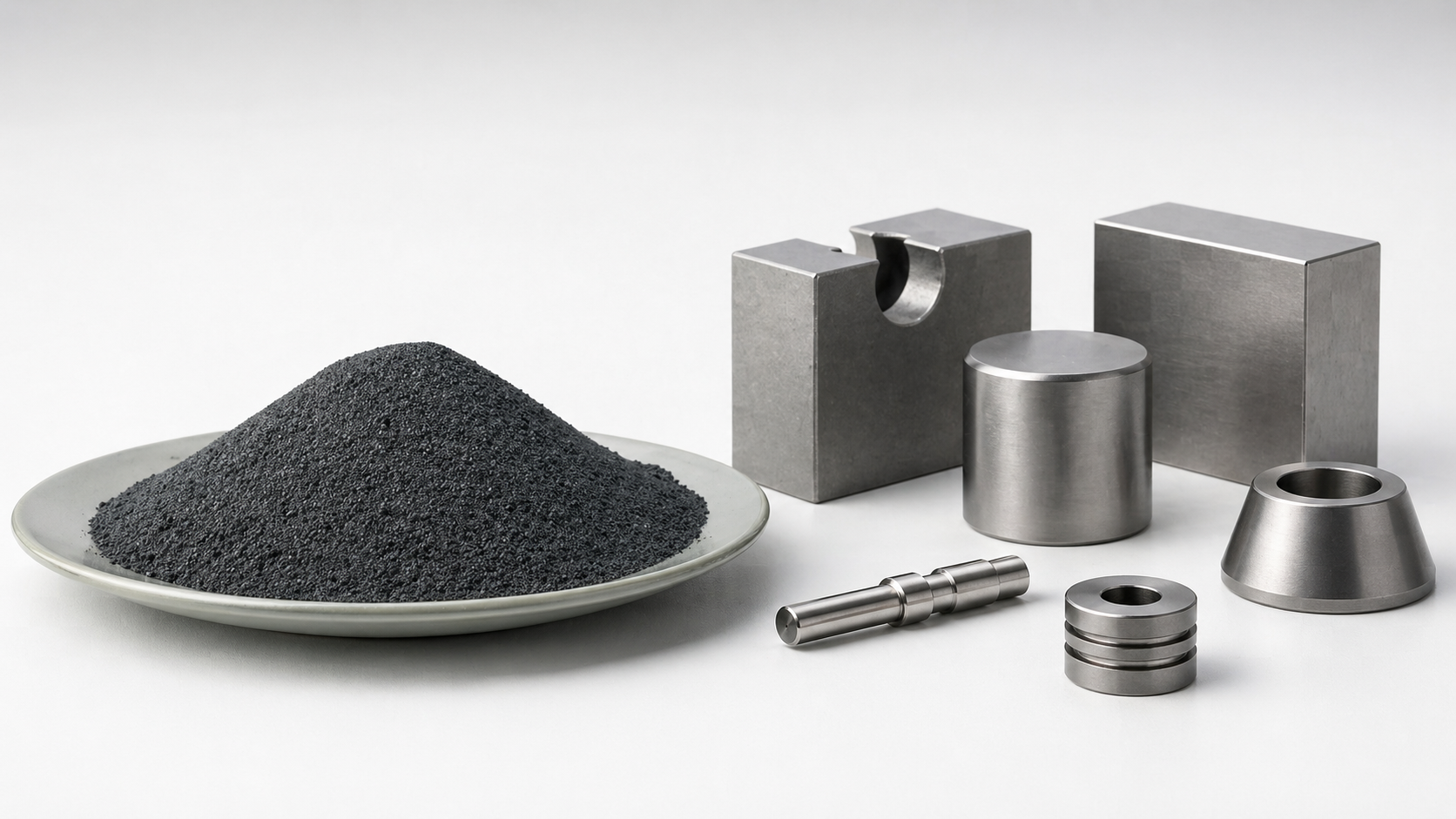
Stainless steel powder metallurgy can be made into parts. The stainless steel water melted in the induction furnace will flow out from the nozzle leak hole, be atomized with high-pressure water, and condense to obtain stainless steel powder.

The powder is treated by dehydration, drying, grading, annealing and other processes. The loose density of water-atomized stainless steel powder is 2.5-3.2g/cm. Pressing under a pressure of 550-830MPa.
- Precautions for using stainless steel powder metallurgy:
- Avoid grooves and concave holes on the side walls to facilitate compaction or reduce the remaining blocks.
- Avoid local thin walls to compact the powder and prevent cracks.
- Avoid increasing the cross-sectional area along the pressing direction to facilitate pressing. The joints of each wall should be rounded or chamfered to avoid sharp corners, which will help compaction and prevent stress concentration in the mold or compact.
- Try to use simple and symmetrical shapes to avoid excessive cross-sectional changes and narrow grooves, spherical surfaces, etc., to facilitate molding and compaction.
- Advantages of stainless steel powder metallurgy:
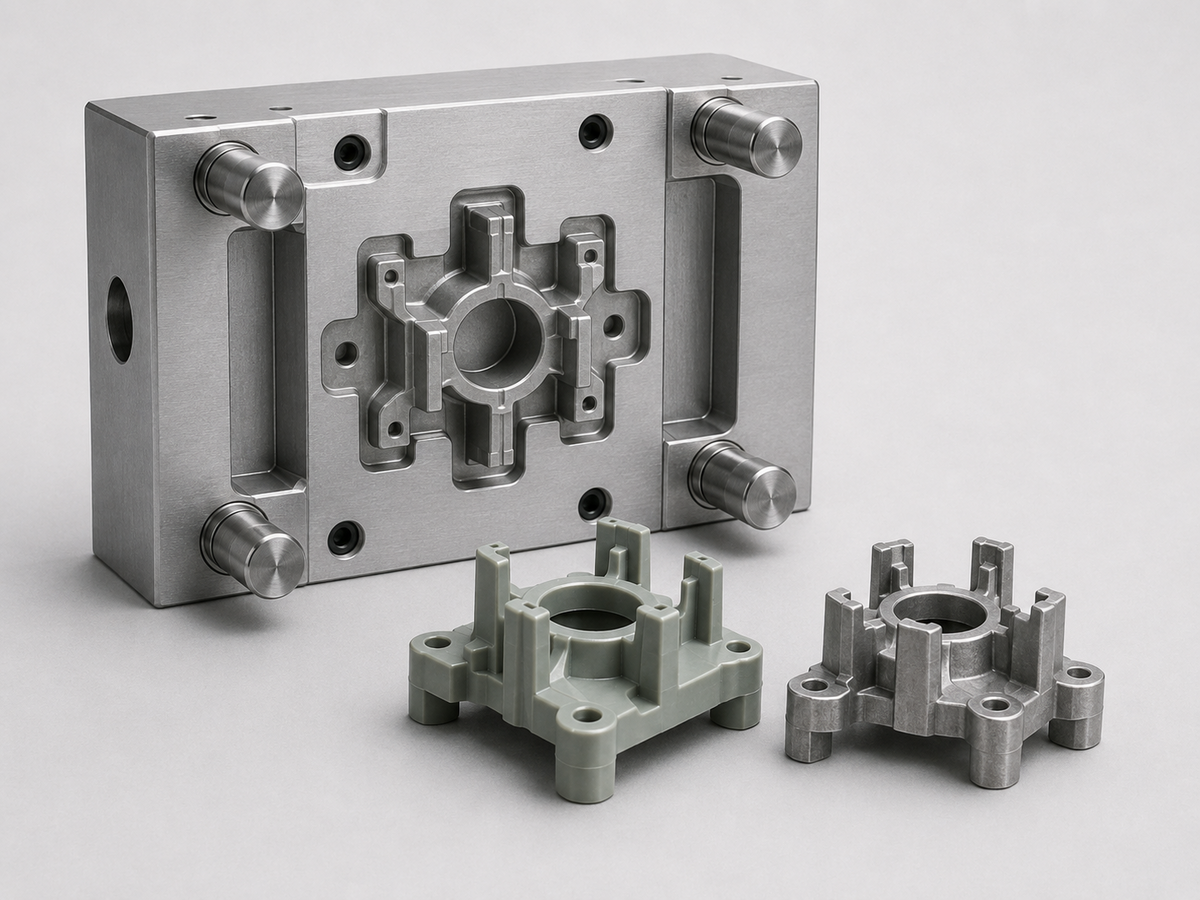
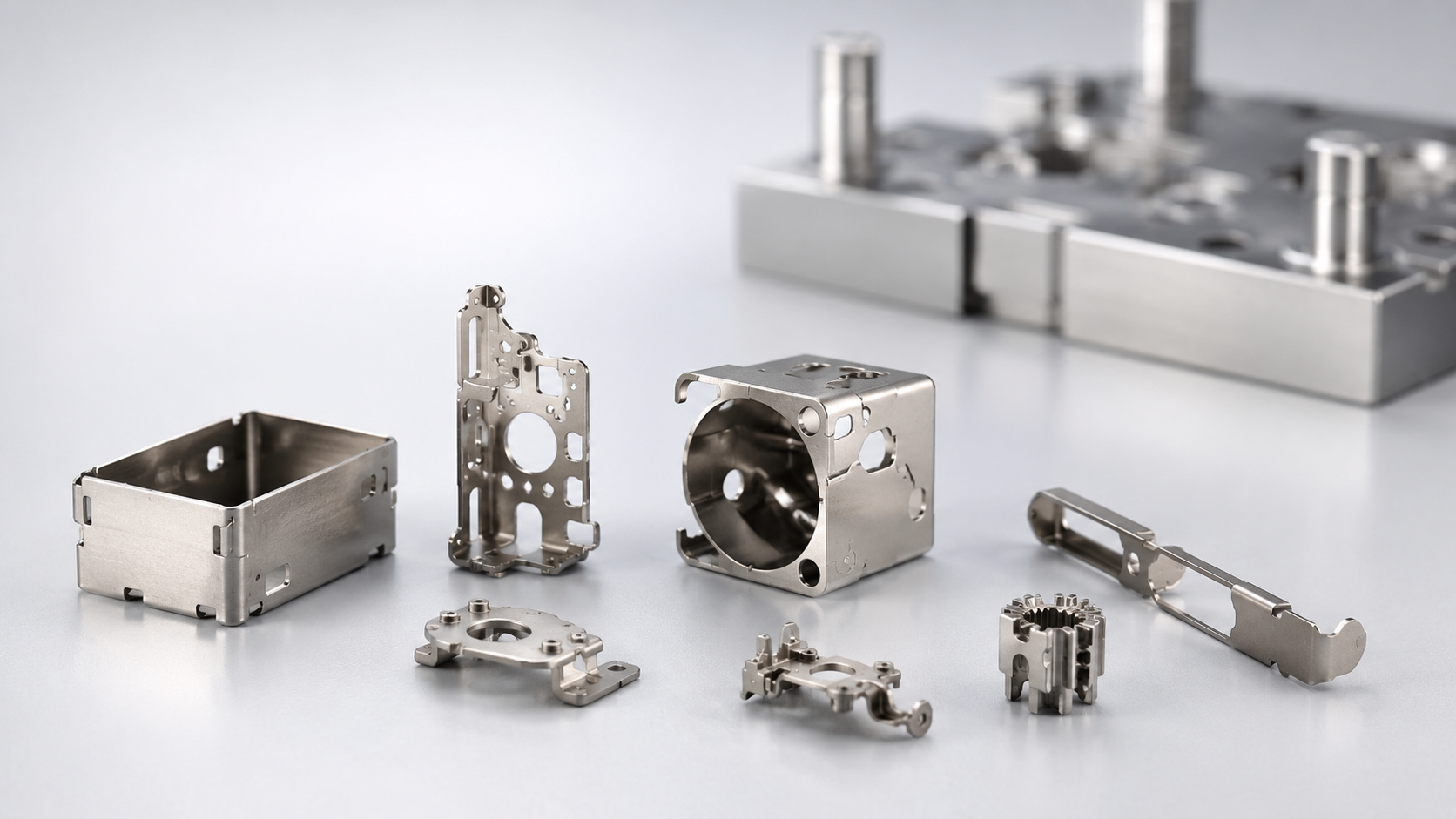
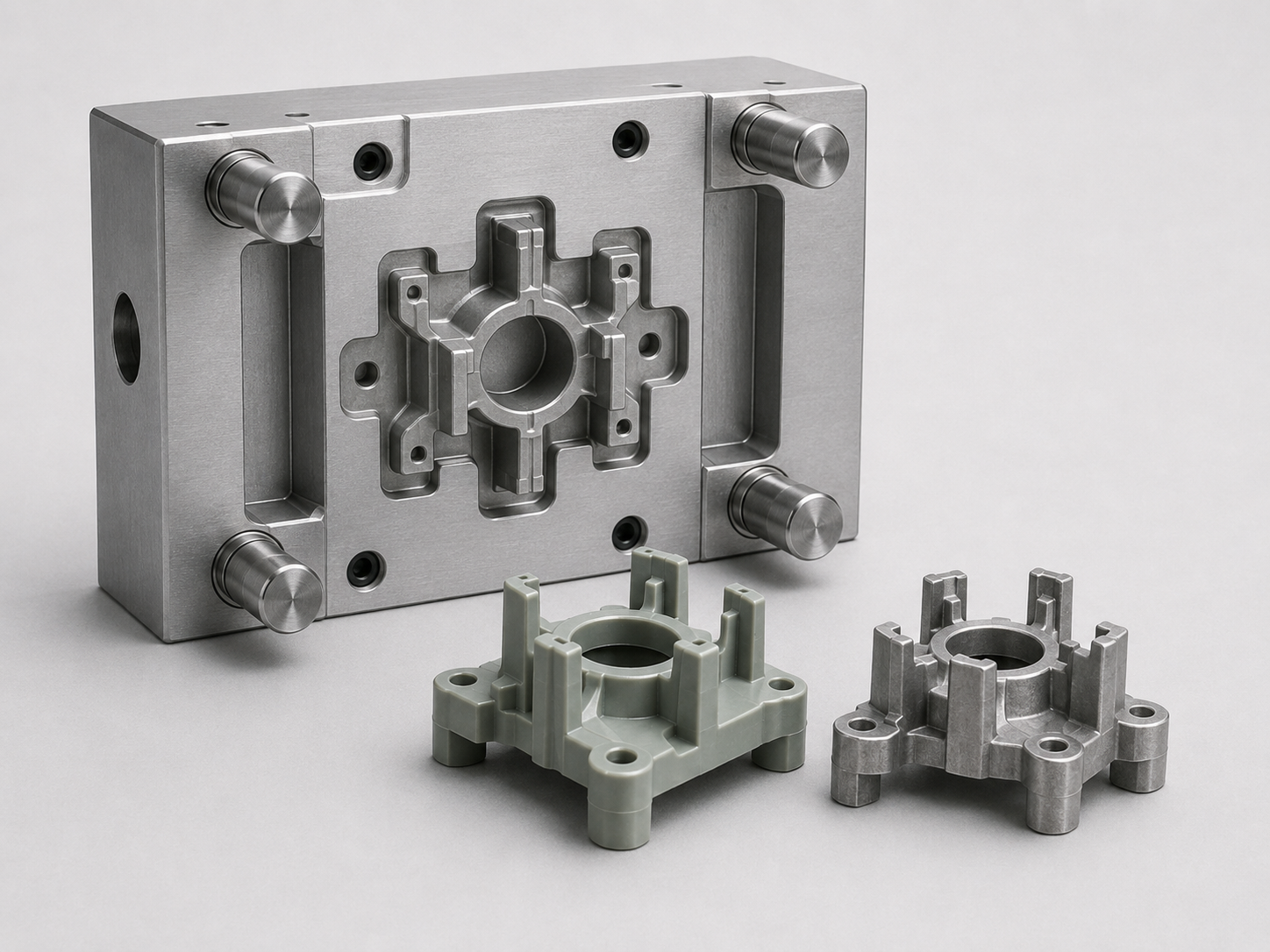
- Stainless steel powder metallurgy has the advantages of near net shape, high dimensional accuracy, high material utilization rate and uniform organizational structure. It has been widely used in machinery, chemical industry, shipbuilding, automobile, instrumentation and other industries.
- Since stainless steel powder metallurgy can press the finished product size, no further processing is required. This method only causes 1% metal loss during processing, and 80% metal loss occurs during processing.
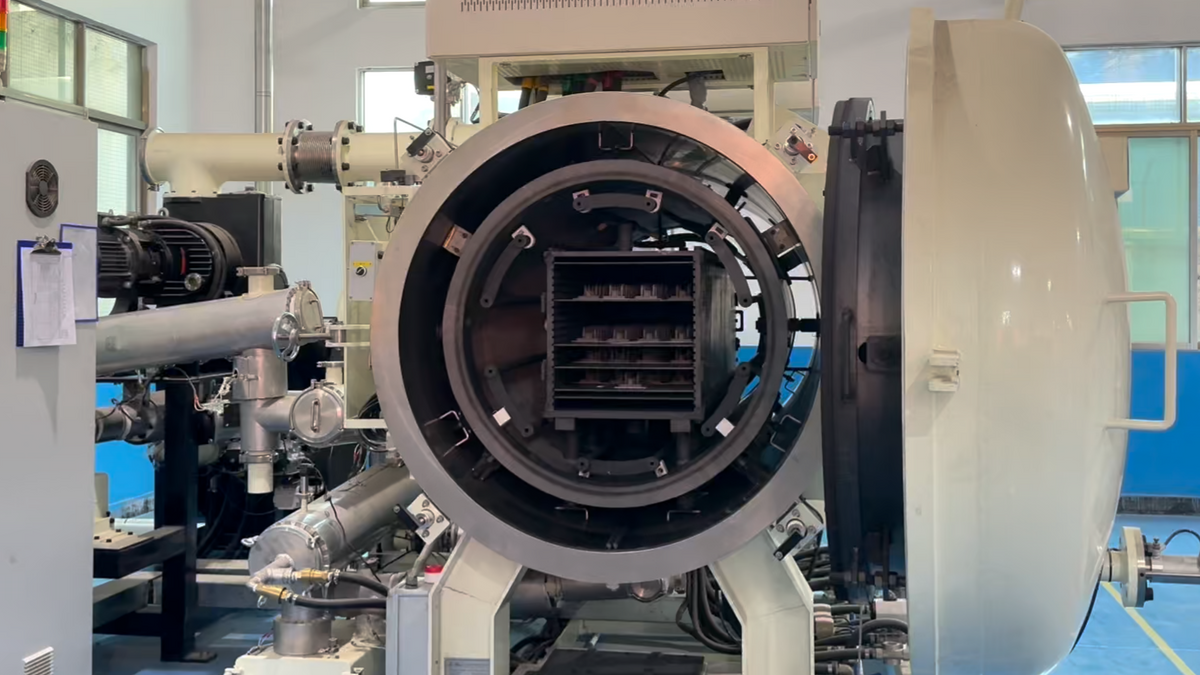
- The material does not melt, does not mix with impurities of other substances, is sintered in vacuum and reducing atmosphere, does not oxidize, and does not pollute the material, so the product purity is high.
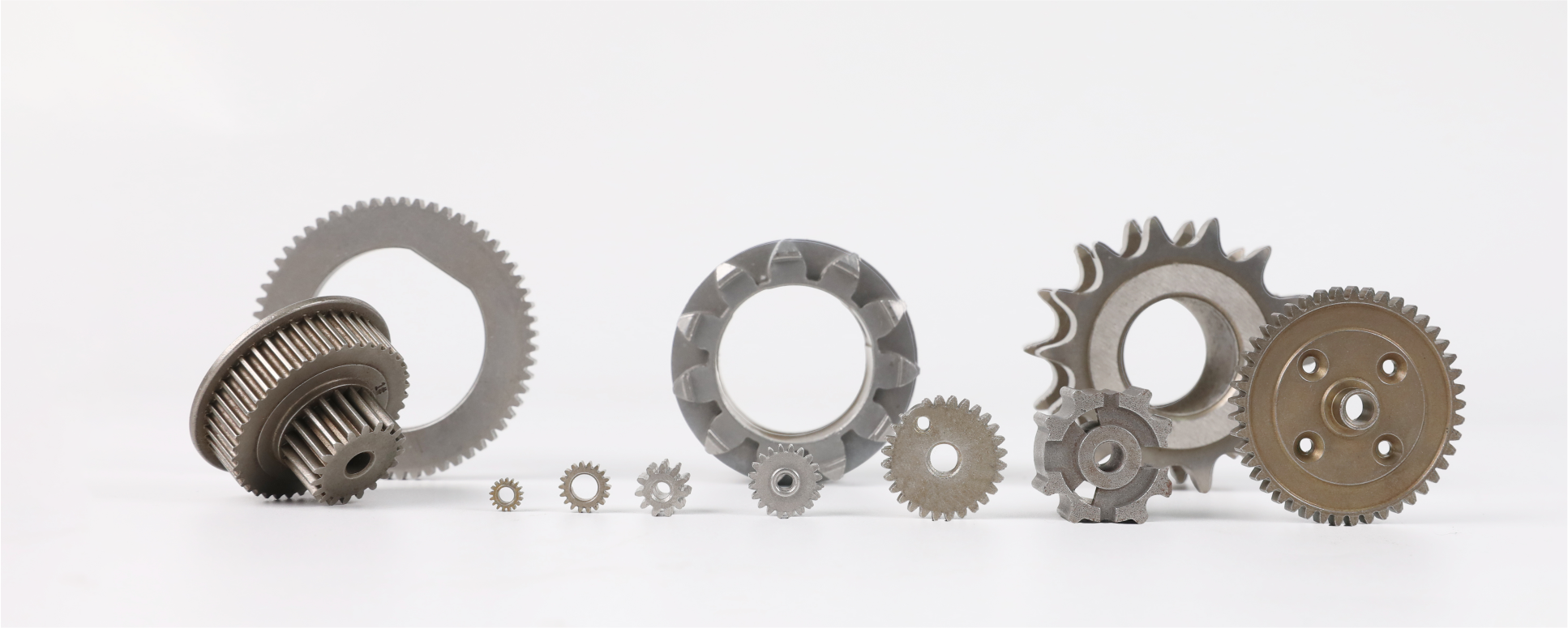
- Powder metallurgy is suitable for producing products with the same shape and quantity, especially products with high processing costs such as gears. The manufacturing capacity of stainless steel powder metallurgy can greatly reduce production costs.
Almost all the properties of stainless steel powder metallurgy increase with the increase of density. Therefore, as long as the density of stainless steel powder metallurgy increases and the porosity decreases, stainless steel can play a key role in improving the performance of powder metallurgy.
In addition, adding a suitable strengthening phase can also be one of the main ways to improve the performance of powder metallurgy stainless steel, especially hardness and wear resistance.

Share:
What Is Thermal Spraying Technology?
Advantages and Disadvantages of Powder Metallurgy Products and Casting