


Una guida pratica per componenti MIM, CIM e di metallurgia delle polveri
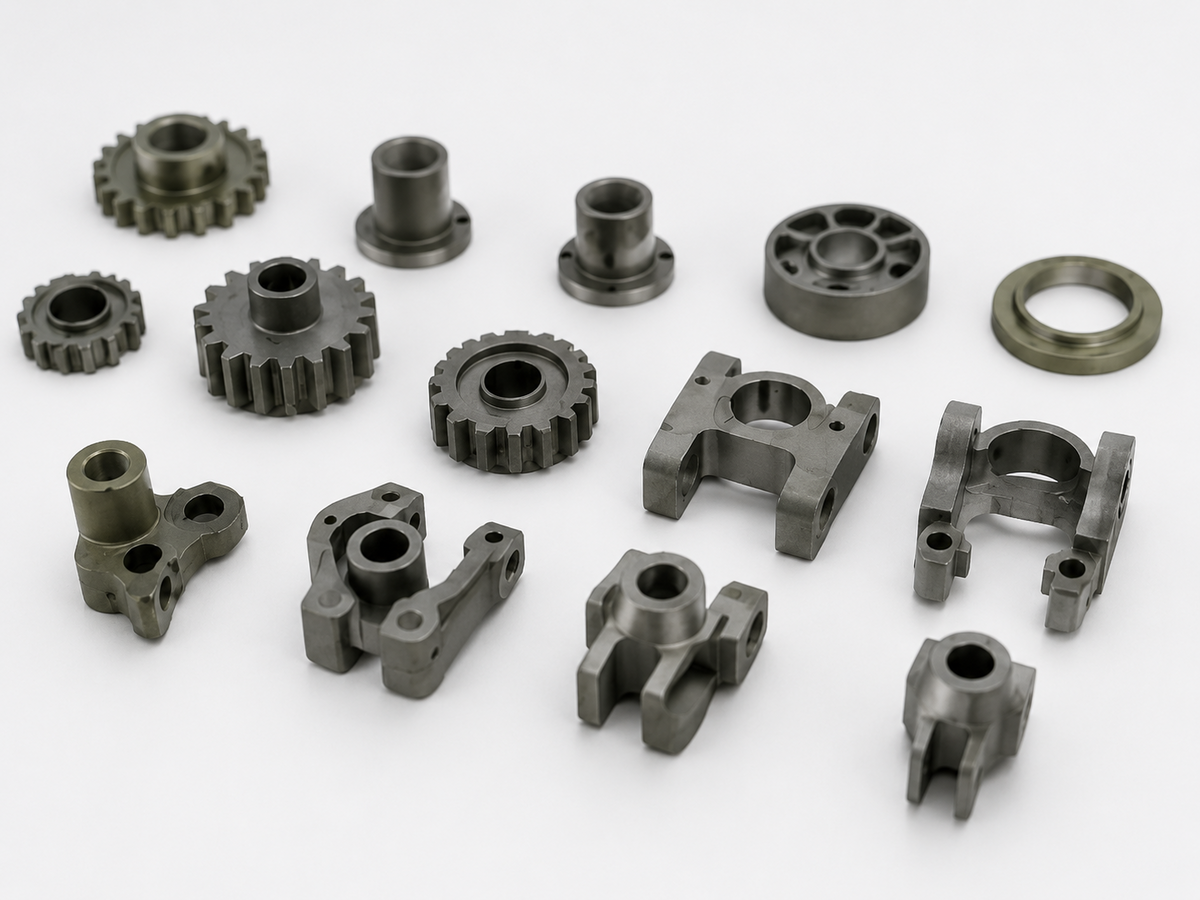
La sinterizzazione è un processo di produzione ad alta temperatura che unisce le particelle di polvere senza fondere completamente il materiale. È ampiamente utilizzata nello stampaggio a iniezione di metalli, nello stampaggio a iniezione di ceramiche e nella metallurgia delle polveri per trasformare un componente fragile a base di polvere in un componente resistente, denso e funzionale.
In termini semplici, la sinterizzazione conferisce a un componente formato da polvere la resistenza finale, la densità, la stabilità dimensionale e le prestazioni del materiale.
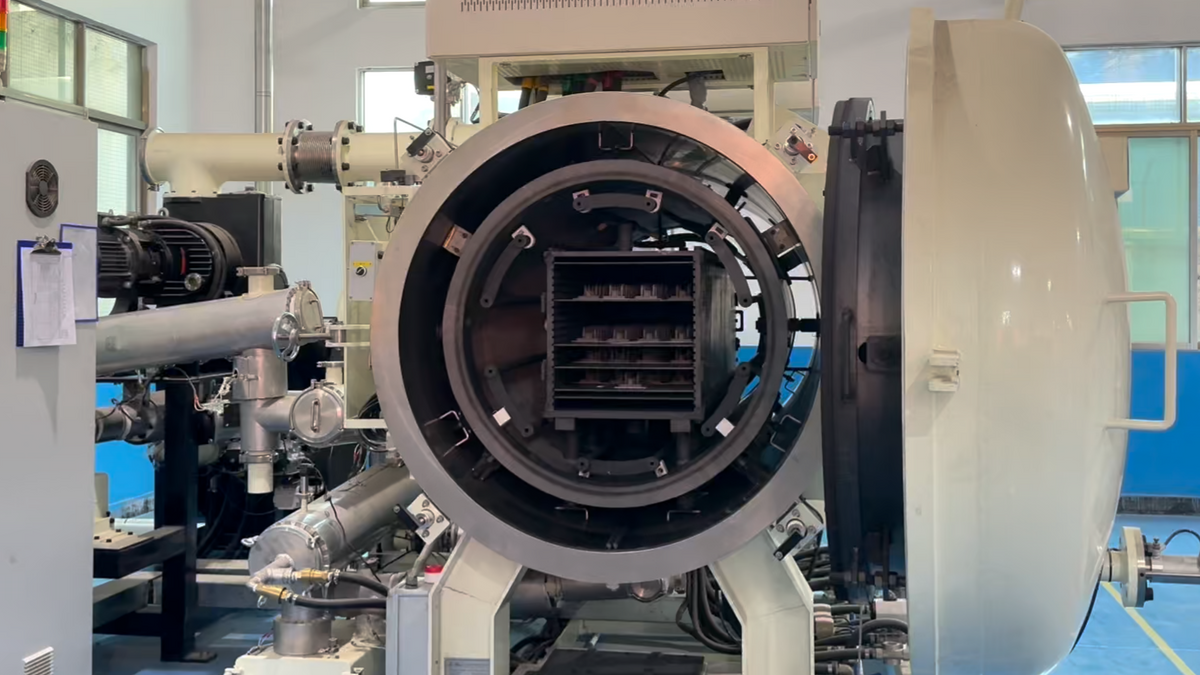
Prima della sinterizzazione, un componente in polvere compattato o stampato può avere già la forma richiesta. Tuttavia, è ancora poroso, fragile e non pronto per l'uso effettivo. Durante la sinterizzazione, il componente viene riscaldato in un ambiente controllato all'interno di un forno. Le particelle di polvere si legano tra loro, i pori si restringono, la densità aumenta e il componente diventa molto più resistente.
Per i componenti personalizzati MIM, CIM e di metallurgia delle polveri, la sinterizzazione è una delle fasi di produzione più importanti. Influisce direttamente sulle dimensioni finali, sul ritiro, sulla resistenza meccanica, sulla durezza, sulla porosità, sulle condizioni superficiali e sulla costanza dei lotti.
Questa guida spiega cos'è la sinterizzazione, come funziona il processo di sinterizzazione, perché è importante nella produzione MIM e CIM e quali aspetti gli ingegneri dovrebbero considerare nella progettazione di pezzi sinterizzati personalizzati.
Che cos'è la sinterizzazione?
La sinterizzazione è il processo di riscaldamento del materiale in polvere a una temperatura inferiore al suo punto di fusione, in modo che le particelle di polvere si leghino tra loro.
Il materiale solitamente non diventa una massa completamente liquida. Al contrario, gli atomi si spostano attraverso i punti di contatto tra le particelle di polvere. Questi punti di contatto diventano più resistenti, i pori si riducono e il pezzo diventa più denso.
La sinterizzazione è comunemente utilizzata per:
-
Componenti stampati a iniezione in metallo
-
Componenti stampati a iniezione in ceramica
-
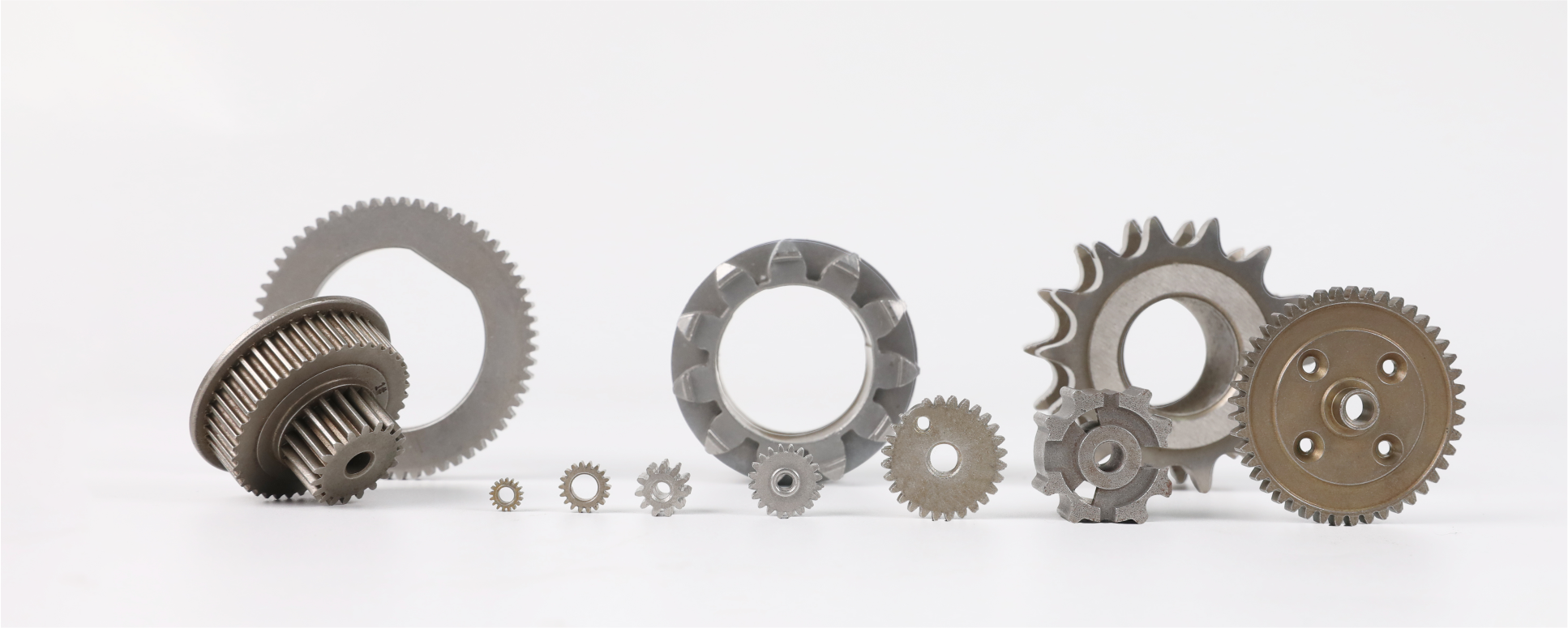
Componenti di metallurgia delle polveri
-
Filtri metallici sinterizzati
-
Componenti in tungsteno e molibdeno
-
Utensili e componenti antiusura in metallo duro
-
Componenti ceramici avanzati
-
Componenti metallici porosi
Il processo è particolarmente utile per i materiali difficili o costosi da fondere, forgiare o lavorare a partire da barre piene. Consente inoltre ai produttori di realizzare piccoli pezzi complessi con una buona ripetibilità.
Come funziona il processo di sinterizzazione
Il processo di sinterizzazione può sembrare semplice dall'esterno. Un pezzo entra in un forno, attraversa un ciclo di riscaldamento ed esce più resistente. Tuttavia, all'interno del pezzo avvengono diversi cambiamenti importanti a livello delle particelle.
Legame tra le particelle
All'inizio della sinterizzazione, le particelle di polvere si toccano in numerosi piccoli punti di contatto. Con l'aumento della temperatura, gli atomi iniziano a spostarsi attraverso queste aree di contatto. Ciò crea legami più forti tra le particelle.
Formazione dei colli
Man mano che il legame prosegue, tra le particelle adiacenti si formano piccoli «colli». Questi colli crescono durante il ciclo di sinterizzazione e aiutano il pezzo ad acquisire resistenza.
Questa è una delle differenze principali tra un compatto di polvere sfusa e un pezzo sinterizzato. Le particelle non sono più soltanto pressate insieme. Sono collegate da legami solidi.
Densificazione
Durante la sinterizzazione, i pori all'interno del pezzo diventano più piccoli. In molte applicazioni, una maggiore densità significa migliore resistenza, durezza, resistenza alla corrosione e prestazioni a fatica.
Tuttavia, non tutti i pezzi sinterizzati devono essere completamente densi. Alcuni componenti vengono realizzati intenzionalmente con porosità controllata, come filtri, cuscinetti o componenti per il controllo dei fluidi.
Ritiro
I pezzi sinterizzati generalmente si ritirano durante il processo. È normale e previsto. Nel MIM e nel CIM, il ritiro è particolarmente importante perché il pezzo grezzo stampato è intenzionalmente più grande del pezzo finale.
Le attrezzature, la materia prima, la rimozione del legante, il profilo del forno e il metodo di supporto influenzano tutti il ritiro finale. Un buon controllo della sinterizzazione è necessario per ottenere dimensioni stabili.
Crescita dei grani
Se la temperatura è troppo elevata o il tempo di mantenimento è troppo lungo, la crescita dei grani può diventare eccessiva. Ciò può influire sulla resistenza, sulla tenacità e sulla stabilità dimensionale. Per i pezzi ad alte prestazioni, il ciclo di sinterizzazione deve essere controllato con attenzione.

Sinterizzazione vs fusione
La sinterizzazione è diversa dalla fusione.
Nella fusione, il materiale viene riscaldato fino a diventare liquido. Nella sinterizzazione, il materiale viene riscaldato al di sotto del suo punto di fusione, così le particelle di polvere si legano tra loro mentre il pezzo mantiene generalmente la sua forma complessiva.
Questa differenza è importante per i materiali con punti di fusione elevati, come tungsteno, molibdeno, carburo di tungsteno, allumina, zirconia e altre ceramiche avanzate. Invece di fondere completamente questi materiali, i produttori possono utilizzare la formatura a base di polveri e la sinterizzazione per produrre pezzi densi e ad alte prestazioni.
Per i pezzi MIM e CIM, la sinterizzazione consente inoltre di produrre forme complesse a partire da polveri metalliche o ceramiche fini. Il pezzo stampato è sovradimensionato prima della sinterizzazione e si ritira verso le dimensioni finali durante il ciclo in forno.

Perché la sinterizzazione è fondamentale nello stampaggio a iniezione dei metalli
Nello stampaggio a iniezione dei metalli, la sinterizzazione è la fase che trasforma un pezzo bruno privo di legante in un componente metallico finale.
Il processo MIM comprende generalmente quattro fasi principali:
-
Preparazione della materia prima
-
Stampaggio a iniezione
-
Rimozione del legante
-
Sinterizzazione
Dopo lo stampaggio a iniezione, il pezzo grezzo contiene polvere metallica e legante. Dopo la rimozione del legante, la maggior parte del legante viene eliminata, ma il pezzo bruno è ancora fragile e poroso.
Durante la sinterizzazione, il pezzo bruno viene riscaldato in un'atmosfera controllata. Le particelle metalliche si legano per diffusione, i pori si riducono, la densità aumenta e il pezzo si ritira fino a raggiungere le dimensioni finali.
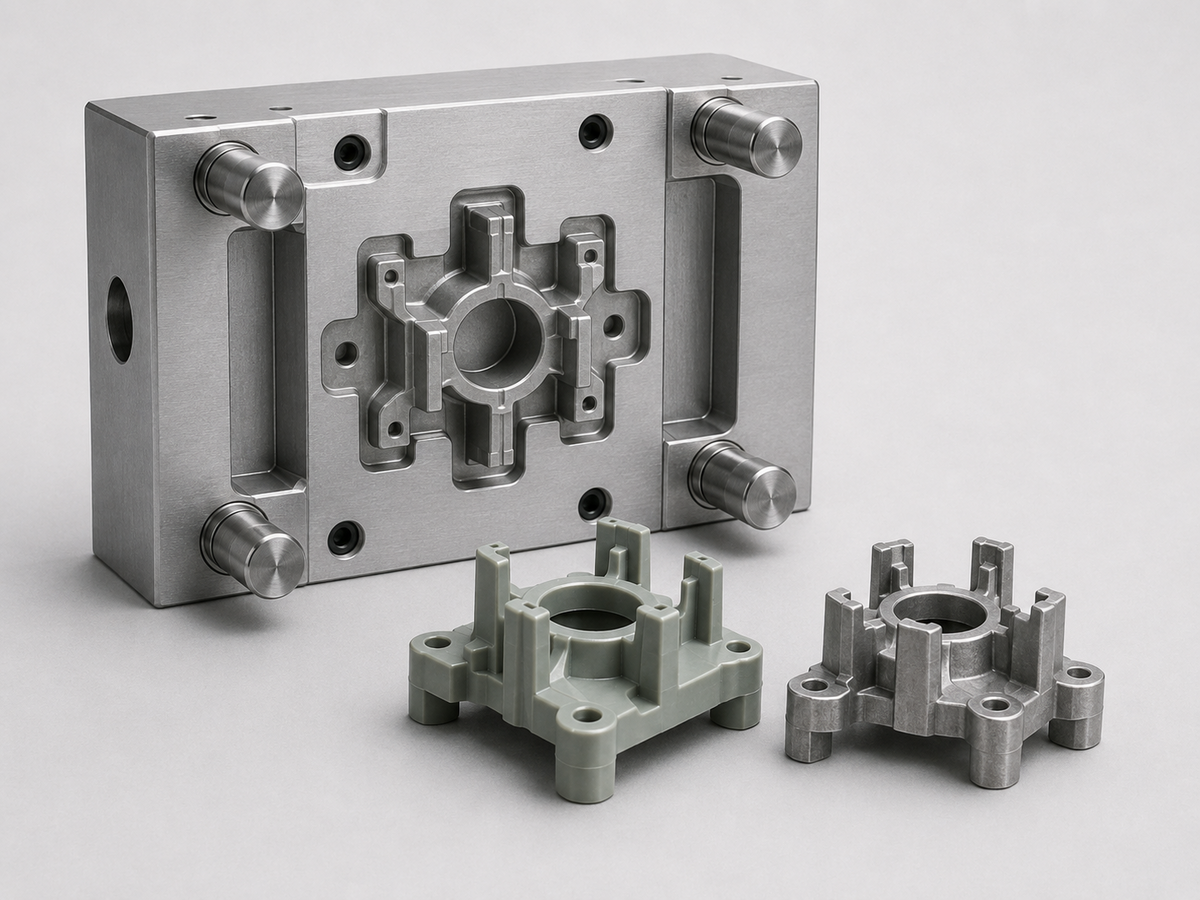
Questo ritiro è previsto e deve essere considerato durante la progettazione delle attrezzature. Uno stampo MIM non crea direttamente la dimensione finale del metallo. Crea un pezzo grezzo sovradimensionato che deve ritirarsi in modo prevedibile durante la rimozione del legante e la sinterizzazione.
Per questo motivo, il controllo della sinterizzazione è strettamente correlato all'accuratezza dimensionale, alla densità, alla resistenza, alla durezza, alla qualità della superficie e alla stabilità della produzione.

Per i componenti MIM personalizzati, la sinterizzazione non è solo un processo in forno. Fa parte del controllo ingegneristico completo, dalla selezione del materiale e dalla progettazione dello stampo fino alla rimozione del legante, al supporto, all'ispezione e all'approvazione finale della qualità.
Sinterizzazione nello stampaggio a iniezione della ceramica
La sinterizzazione è fondamentale anche nello stampaggio a iniezione della ceramica.
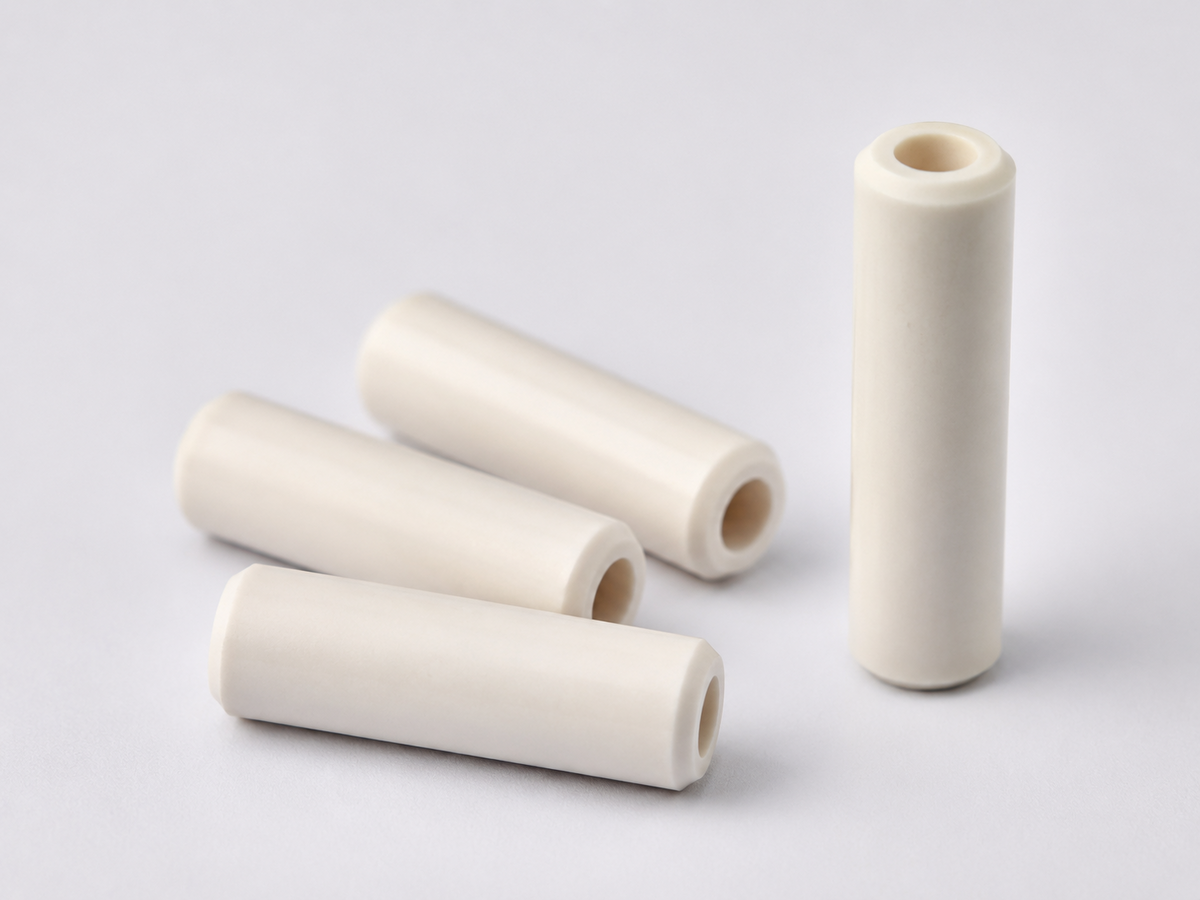
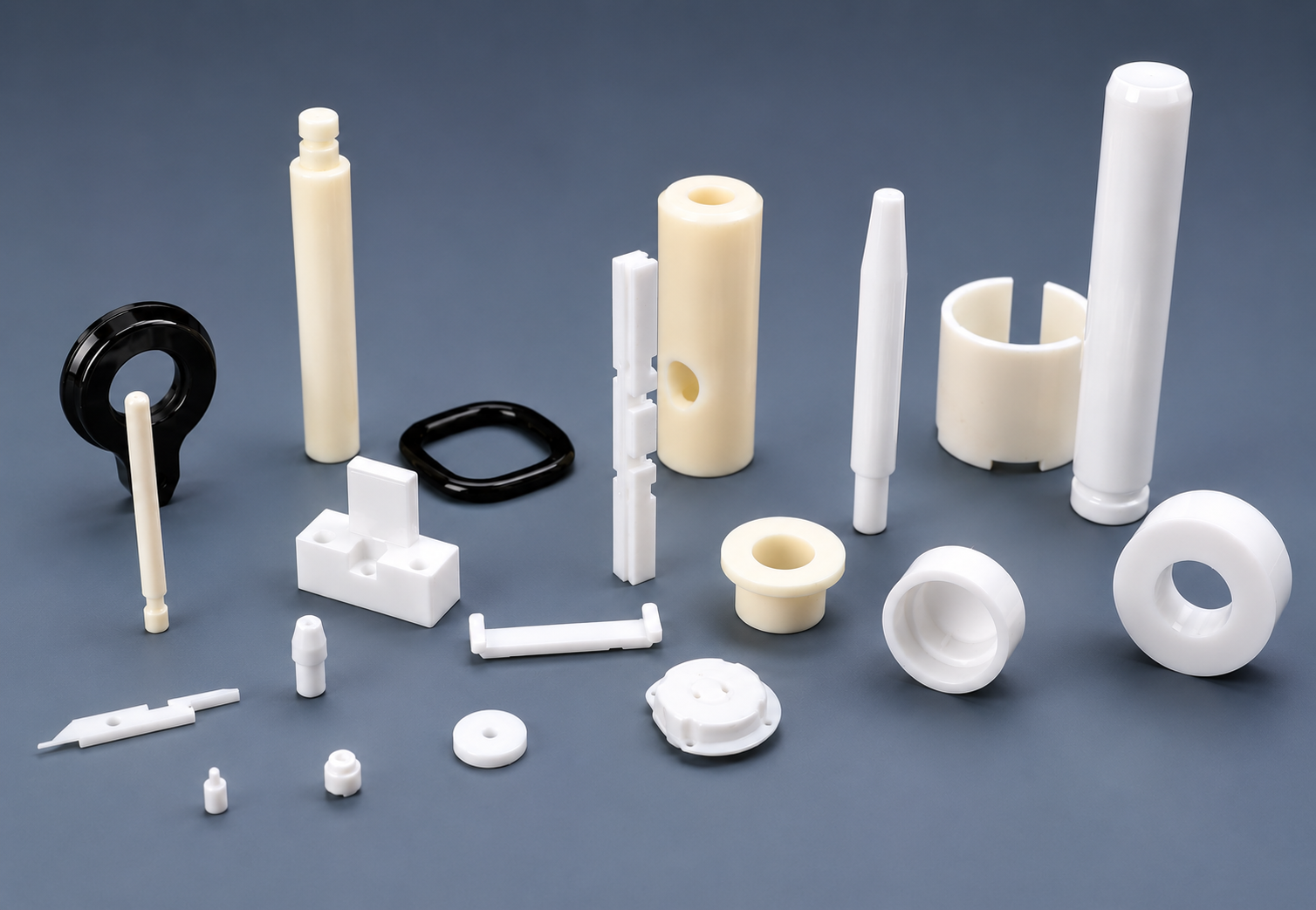
Nel CIM, la polvere ceramica viene miscelata con un legante e stampata in forme complesse. Dopo la rimozione del legante, il componente ceramico allo stato bruno viene sinterizzato ad alta temperatura. Le particelle ceramiche si legano tra loro, la porosità diminuisce e il componente diventa duro, denso e resistente all'usura.
I materiali CIM comuni includono allumina, zirconia, nitruro di silicio e altre ceramiche tecniche. Questi materiali sono spesso utilizzati quando il componente richiede elevata durezza, isolamento elettrico, resistenza alla corrosione, resistenza all'usura o stabilità alle alte temperature.
La sinterizzazione CIM richiede un controllo accurato, perché i componenti ceramici possono essere sensibili a ritiro, cricche e deformazioni. Un riscaldamento uniforme, un supporto adeguato e una qualità stabile della polvere sono importanti per l'accuratezza finale del componente.
Tipi comuni di sinterizzazione
Esistono diversi tipi di sinterizzazione. Il metodo corretto dipende dal materiale, dal requisito di densità, dal design del componente, dall'obiettivo di costo e dall'applicazione finale.
Sinterizzazione allo stato solido
La sinterizzazione allo stato solido avviene al di sotto del punto di fusione del materiale principale. Non si forma alcuna fase liquida significativa. Il legame tra le particelle e la densificazione avvengono principalmente per diffusione.
Questo metodo è ampiamente utilizzato per molti metalli e ceramiche.
Sinterizzazione in fase liquida
Nella sinterizzazione in fase liquida, durante il processo si forma una piccola quantità di fase liquida. Questa fase liquida aiuta le particelle a riorganizzarsi e migliora la densificazione.
Questo metodo è comune nel carburo cementato, nelle leghe pesanti di tungsteno e in alcuni materiali speciali della metallurgia delle polveri.
Sinterizzazione senza pressione
La sinterizzazione senza pressione viene eseguita in un forno senza applicare pressione meccanica esterna. È ampiamente utilizzata perché è adatta alla produzione in lotti e a componenti di molte forme diverse.
Pressatura isostatica a caldo
La pressatura isostatica a caldo, o HIP, utilizza alta temperatura e alta pressione per ridurre la porosità interna e migliorare la densità. Viene spesso utilizzata per componenti ad alte prestazioni che richiedono una migliore resistenza a fatica, alla pressione o un'affidabilità strutturale superiore.
L'HIP è solitamente più costoso della sinterizzazione standard in forno, quindi viene scelto in base ai requisiti prestazionali.
Sinterizzazione al plasma con scintilla
La sinterizzazione al plasma con scintilla, o SPS, utilizza corrente elettrica e pressione per riscaldare e densificare rapidamente i materiali in polvere. Viene spesso utilizzata per la ricerca, i materiali avanzati e le applicazioni speciali.
Non è il metodo più comune per la produzione MIM standard, ma è importante nella lavorazione avanzata delle polveri.

Materiali comuni utilizzati per i componenti sinterizzati
Molti metalli e ceramiche possono essere lavorati mediante sinterizzazione. La selezione del materiale dipende da resistenza, resistenza alla corrosione, durezza, prestazioni magnetiche, resistenza all'usura, resistenza alla temperatura e costo.
Acciaio inossidabile
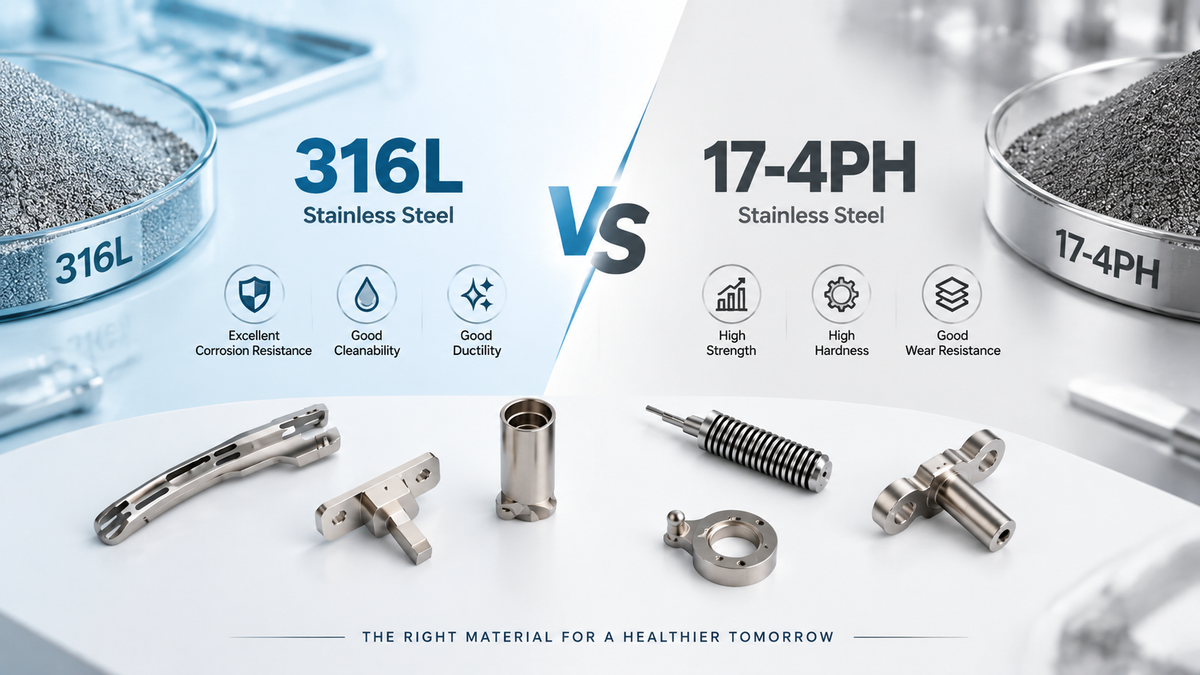
L'acciaio inossidabile è uno dei materiali più comuni per i componenti MIM. I gradi comuni includono 316L, 17-4PH, 304, 420 e 440C. I componenti MIM in acciaio inossidabile sono utilizzati in dispositivi medici, utensili, serrature, elettronica di consumo, componenti industriali e assemblaggi meccanici di precisione.
Acciaio bassolegato
Gli acciai bassolegati vengono utilizzati quando sono importanti resistenza, resistenza all'usura e controllo dei costi. Dopo la sinterizzazione possono essere sottoposti a trattamento termico per migliorare la durezza e le prestazioni meccaniche.
Tungsteno e leghe pesanti
Il tungsteno e le leghe pesanti di tungsteno sono difficili da lavorare con i metodi convenzionali di fusione a causa del loro elevato punto di fusione. Per questi materiali si utilizzano comunemente la metallurgia delle polveri e la sinterizzazione.
Sono utilizzati in contrappesi, schermature dalle radiazioni, componenti per lo smorzamento delle vibrazioni e componenti ad alta densità.
Titanio
I componenti sinterizzati in titanio vengono utilizzati quando sono importanti leggerezza, resistenza e resistenza alla corrosione. Il titanio richiede un controllo attento dell'atmosfera durante la sinterizzazione perché è sensibile all'ossigeno e alla contaminazione.
Ceramiche avanzate
L'allumina, la zirconia, il nitruro di silicio e altre ceramiche vengono spesso sinterizzati per ottenere elevata durezza, resistenza all'usura, isolamento elettrico e stabilità chimica.
I componenti sinterizzati in ceramica sono utilizzati in applicazioni mediche, elettroniche, ottiche, di controllo dei fluidi e industriali.

Difetti comuni di sinterizzazione
I difetti di sinterizzazione possono influire sulla resistenza, sull'aspetto, sulle dimensioni e sull'affidabilità del componente. La comprensione di questi difetti aiuta gli ingegneri a migliorare la progettazione e la stabilità della produzione.
Deformazione
La deformazione si verifica quando il componente si deforma durante la sinterizzazione. Può essere causata da un ritiro non uniforme, un supporto insufficiente, uno spessore delle pareti non uniforme, la gravità o un profilo del forno inadatto.
Le pareti sottili, le sezioni lunghe non supportate e le forme asimmetriche hanno maggiori probabilità di deformarsi.
Fessurazione
La fessurazione può verificarsi durante la rimozione del legante, il riscaldamento, il raffreddamento o la sinterizzazione. Le cause possono includere legante intrappolato, riscaldamento troppo rapido, tensioni interne, transizioni brusche o distribuzione non uniforme del materiale.
Una buona progettazione e un controllo adeguato della rimozione del legante sono importanti per ridurre il rischio di fessurazione.
Porosità
Una certa porosità è normale in molti componenti sinterizzati. Tuttavia, una porosità eccessiva può ridurre la resistenza, la durezza, la resistenza alla corrosione e la tenuta alla pressione.
I requisiti di densità dovrebbero essere discussi in fase iniziale, soprattutto per applicazioni strutturali o di tenuta.
Blistering
Il blistering può verificarsi quando il gas rimane intrappolato all'interno del componente e non riesce a fuoriuscire correttamente. Può essere correlato alla rimozione del legante, alla velocità di riscaldamento, alla qualità del feedstock o alla geometria del componente.
Ossidazione
L'ossidazione può verificarsi quando l'atmosfera del forno non è adatta al materiale. Per l'acciaio inossidabile, il titanio e altri materiali sensibili, il controllo dell'atmosfera è molto importante.

Considerazioni progettuali per i componenti sinterizzati
I componenti sinterizzati sono diversi dai componenti lavorati a CNC, dai componenti pressofusi e dai componenti forgiati. Il design deve tenere conto di ritiro, supporto, spessore delle pareti, flusso della polvere e post-lavorazione.
Spessore uniforme delle pareti
Uno spessore uniforme delle pareti aiuta a ridurre il ritiro non uniforme e la deformazione. Grandi variazioni nello spessore delle pareti possono creare differenze di tensione e densità durante la sinterizzazione.
Evitare gli spigoli vivi
Gli spigoli interni vivi possono aumentare la concentrazione delle tensioni e il rischio di cricche. L'aggiunta di raggi appropriati può migliorare la resistenza e la producibilità.
Considerare il ritiro fin dalle prime fasi
Per i componenti MIM e CIM, il ritiro deve essere considerato già nella fase di progettazione dello stampo. La cavità dello stampo è più grande del componente finale. Il tasso di ritiro dipende dal materiale, dal feedstock, dalla geometria del componente e dalle condizioni di sinterizzazione.
Supporto durante la sinterizzazione
Alcuni componenti richiedono supporti ceramici, sostegni o attrezzature speciali durante la sinterizzazione. Ciò è particolarmente importante per i componenti sottili, lunghi o asimmetrici.
Quando scegliere i componenti sinterizzati?
La sinterizzazione è adatta quando il design del componente, il materiale e la quantità corrispondono ai vantaggi del processo.
Puoi prendere in considerazione i componenti sinterizzati quando:
-
Il componente è di piccole o medie dimensioni
-
La geometria è complessa
-
Il materiale è difficile da lavorare
-
È necessaria una produzione in grandi volumi
-
È importante un buon utilizzo del materiale
-
Il componente richiede un'elevata durezza o resistenza all'usura
-
Il componente presenta dettagli fini difficili da realizzare mediante lavorazione meccanica
-
Il progetto richiede una ripetibilità stabile dopo l'approvazione dello stampo
Per i componenti semplici in piccoli volumi, la lavorazione CNC può essere ancora più rapida ed economica. Per componenti metallici o ceramici complessi prodotti in grandi volumi, il MIM o il CIM possono rappresentare una valida opzione.
Produzione di componenti sinterizzati personalizzati
MIM Supplier offre supporto alla produzione personalizzata di componenti MIM, componenti CIM e componenti di metallurgia delle polveri. Aiutiamo i clienti a esaminare disegni, opzioni dei materiali, tolleranze, rischi di ritiro, requisiti di trattamento superficiale e metodi di ispezione.
Per i componenti sinterizzati personalizzati, è importante effettuare una revisione tecnica preliminare. Una piccola modifica al design può ridurre i rischi legati agli stampi, migliorare la stabilità della sinterizzazione o ridurre i costi di produzione.
Possiamo supportare componenti utilizzati in:
-
Dispositivi medici
-
Elettronica di consumo
-
Componenti automobilistici
-
Attrezzature industriali
-
Strumenti ottici e di precisione
-
Componenti per il controllo dei fluidi
-
Componenti di bloccaggio e ferramenta
-
Componenti resistenti all'usura
-
Piccoli componenti strutturali in metallo
-
Componenti ceramici avanzati
A seconda del progetto, possiamo supportare anche processi secondari come lavorazione CNC, rettifica, trattamento termico, lucidatura, passivazione, placcatura, rivestimento e controllo qualità.
Informazioni necessarie per un preventivo di componenti sinterizzati
Per preparare un preventivo accurato, fornite, quando possibile, le seguenti informazioni:
-
Disegno 2D con tolleranze
-
Modello 3D in formato STEP, STP, IGS, X_T o simile
-
Qualità del materiale
-
Quantità per prototipi e produzione
-
Requisiti del trattamento superficiale
-
Requisiti del trattamento termico
-
Dimensioni critiche
-
Requisiti di ispezione
-
Applicazione o ambiente di lavoro
-
Requisiti speciali come durezza, densità, resistenza alla corrosione o tenuta alla pressione
Se non siete sicuri che MIM, CIM, metallurgia delle polveri o lavorazione CNC sia la soluzione migliore per il vostro componente, il nostro team di ingegneria può esaminare il disegno e suggerire un metodo di produzione adeguato.
Domande frequenti
Che cos'è la sinterizzazione in parole semplici?
La sinterizzazione è un processo che riscalda il materiale in polvere al di sotto del suo punto di fusione, in modo che le particelle si leghino tra loro. Rende il componente più resistente, più denso e più stabile.
La sinterizzazione è uguale alla fusione?
No. La fusione trasforma il materiale in liquido. La sinterizzazione unisce le particelle di polvere senza fondere completamente il materiale principale. Questo aiuta il componente a mantenere la propria forma durante il processo in forno.
Perché i componenti MIM si ritirano durante la sinterizzazione?
I componenti MIM si ritirano perché i pori si riducono e le particelle metalliche si avvicinano durante la sinterizzazione. Questo ritiro è previsto e deve essere calcolato durante la progettazione dello stampo.
Quali materiali possono essere sinterizzati?
Molti metalli e ceramiche possono essere sinterizzati, tra cui acciaio inossidabile, acciaio basso legato, leghe di tungsteno, titanio, allumina, zirconia, nitruro di silicio e altri materiali in polvere.
È possibile lavorare meccanicamente i componenti sinterizzati dopo la sinterizzazione?
Sì. Alcuni componenti sinterizzati possono essere lavorati meccanicamente, rettificati, maschiati, lucidati, sottoposti a placcatura, trattati termicamente o rivestiti dopo la sinterizzazione. Le lavorazioni secondarie dipendono dal materiale, dalla tolleranza e dall'applicazione finale.
Conclusione
La sinterizzazione è un processo fondamentale nello stampaggio a iniezione dei metalli, nello stampaggio a iniezione della ceramica e nella metallurgia delle polveri. Unisce le particelle di polvere, riduce la porosità, aumenta la densità e conferisce al componente la sua resistenza e le sue prestazioni finali.
Per i componenti sinterizzati personalizzati, il controllo della sinterizzazione influisce sul ritiro, sulla precisione dimensionale, sulle proprietà meccaniche, sulla qualità superficiale e sulla costanza della produzione. Un buon progetto deve considerare fin dall'inizio la selezione del materiale, lo spessore delle pareti, il ritiro, il metodo di supporto, le tolleranze e le lavorazioni successive.
Se avete bisogno di componenti personalizzati MIM, CIM o di metallurgia delle polveri, inviateci i vostri disegni 2D, file 3D, requisiti dei materiali, quantità e dettagli sull'applicazione. Il nostro team può esaminare il vostro progetto e consigliarvi una soluzione produttiva adeguata.
Condividi:
Una guida completa ai componenti MIM in carburo di tungsteno
Componenti personalizzati stampati a iniezione in ceramica: materiali, processo e utilizzi