


Che cos'è un produttore di componenti sinterizzati?
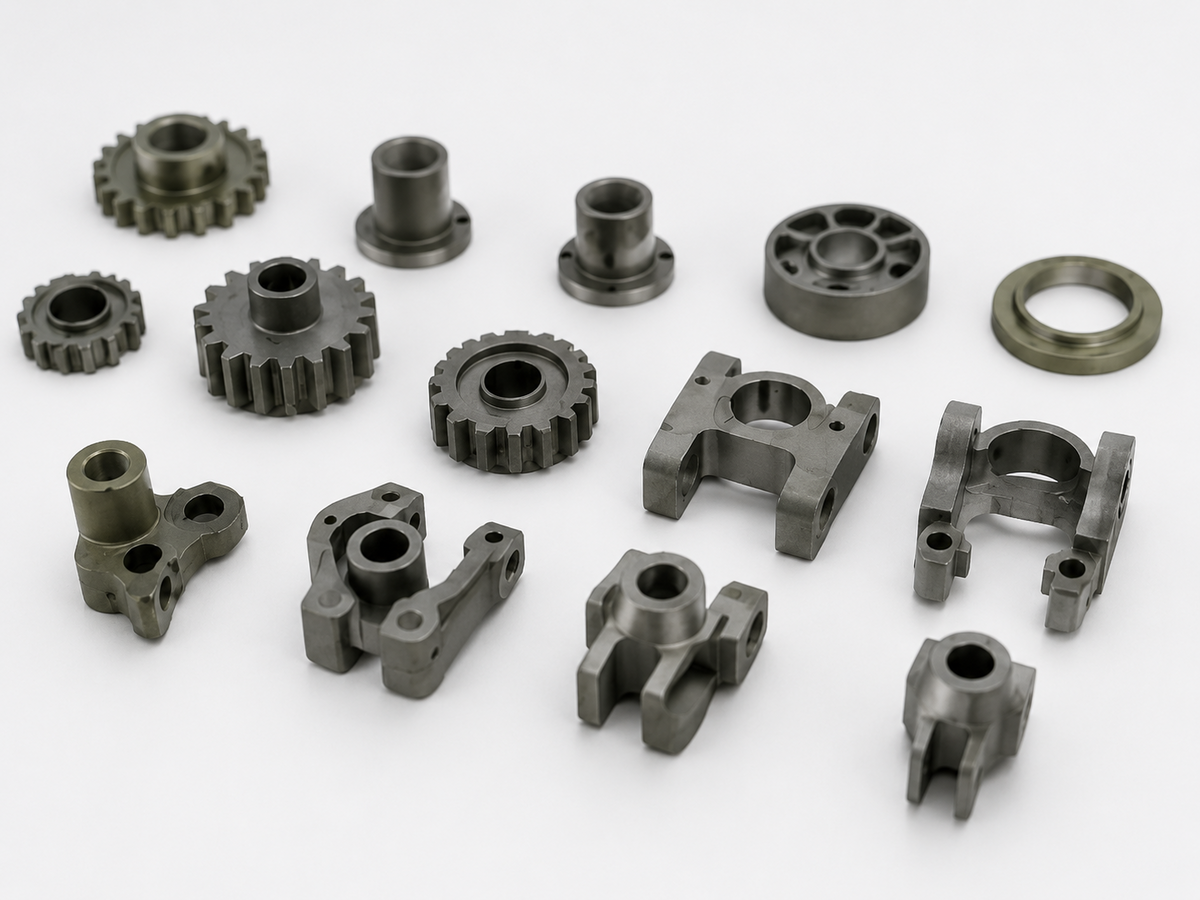
Un produttore di componenti sinterizzati realizza componenti metallici compattando polveri metalliche fini in attrezzature di precisione e sinterizzandole al di sotto della temperatura di fusione per creare strutture dense e quasi a forma finita. Rispetto ai tradizionali metodi di lavorazione per asportazione di truciolo, la metallurgia delle polveri consente un'elevata efficienza produttiva, geometrie complesse e un eccellente utilizzo del materiale.
Nell'ingegneria di precisione, scegliere il processo produttivo corretto è fondamentale per ottenere prestazioni meccaniche costanti su larga scala. Comprendere come vengono prodotti i componenti sinterizzati - e come differiscono le capacità dei fornitori - è un primo passo importante prima di valutare potenziali partner.
Come funziona la produzione mediante metallurgia delle polveri
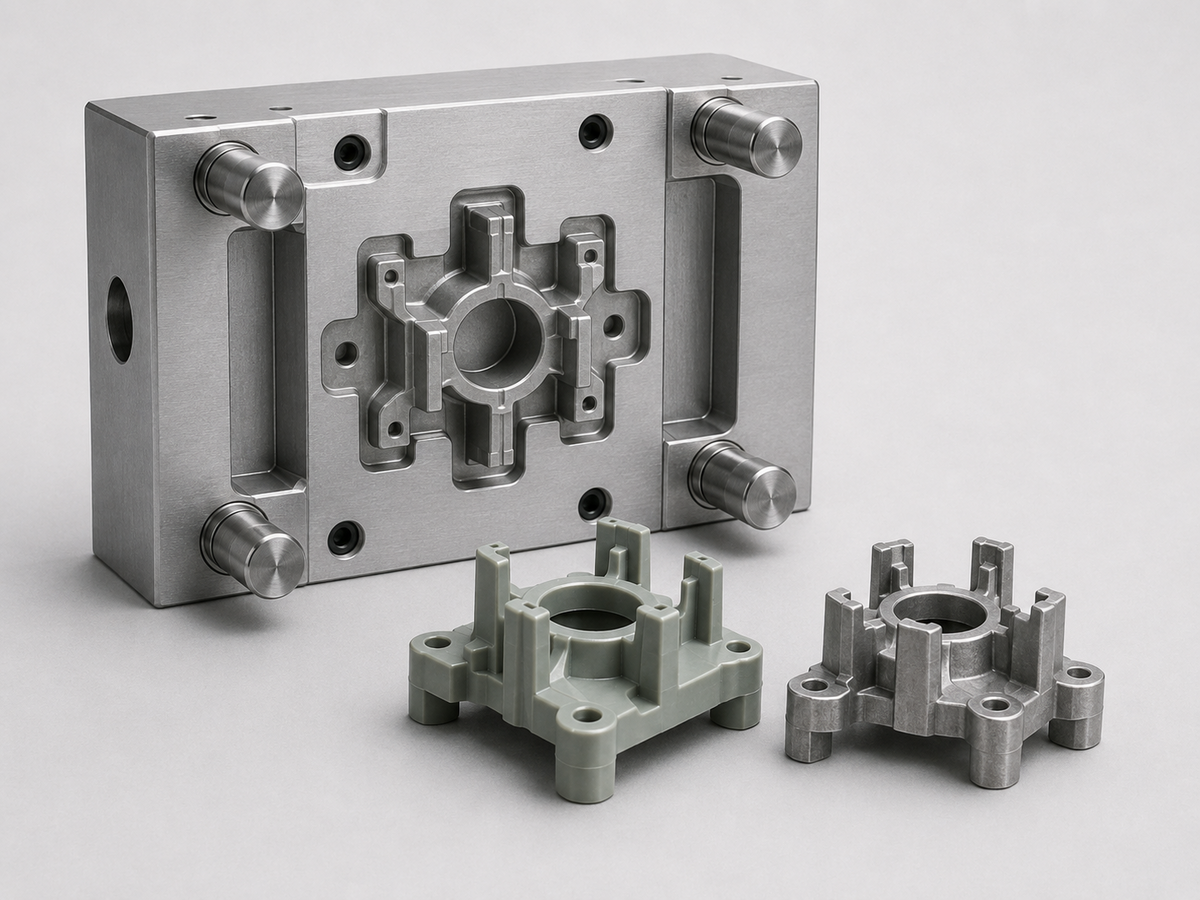
La metallurgia delle polveri combina la compattazione meccanica con un trattamento termico controllato. Le polveri metalliche fini vengono pressate ad alta pressione in stampi progettati appositamente e quindi sinterizzate in un forno ad atmosfera controllata. Durante la sinterizzazione, le particelle metalliche si legano a livello atomico senza fondere completamente, creando componenti resistenti e dimensionalmente stabili.
Le principali fasi del processo includono generalmente:
-
Miscelazione delle polveri e preparazione del materiale
-
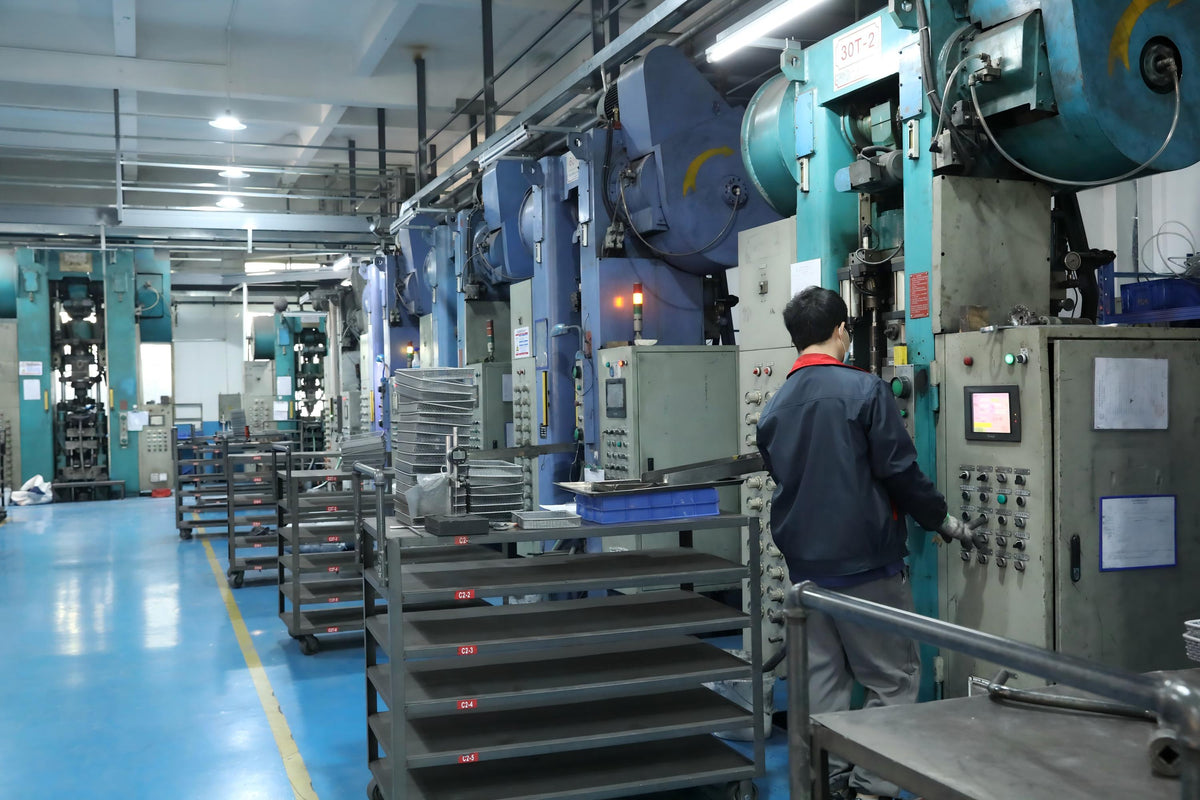
Compattazione ad alta pressione mediante attrezzature di precisione
-
Sinterizzazione in atmosfera controllata
-
Calibratura, lavorazione meccanica o finitura superficiale opzionali

Il risultato è un processo produttivo in grado di realizzare grandi volumi di componenti complessi con uno spreco minimo di materiale.
Applicazioni comuni della produzione di componenti sinterizzati
I componenti metallici sinterizzati sono ampiamente utilizzati in tutti i settori in cui la ripetibilità e l'efficienza dei costi sono essenziali.
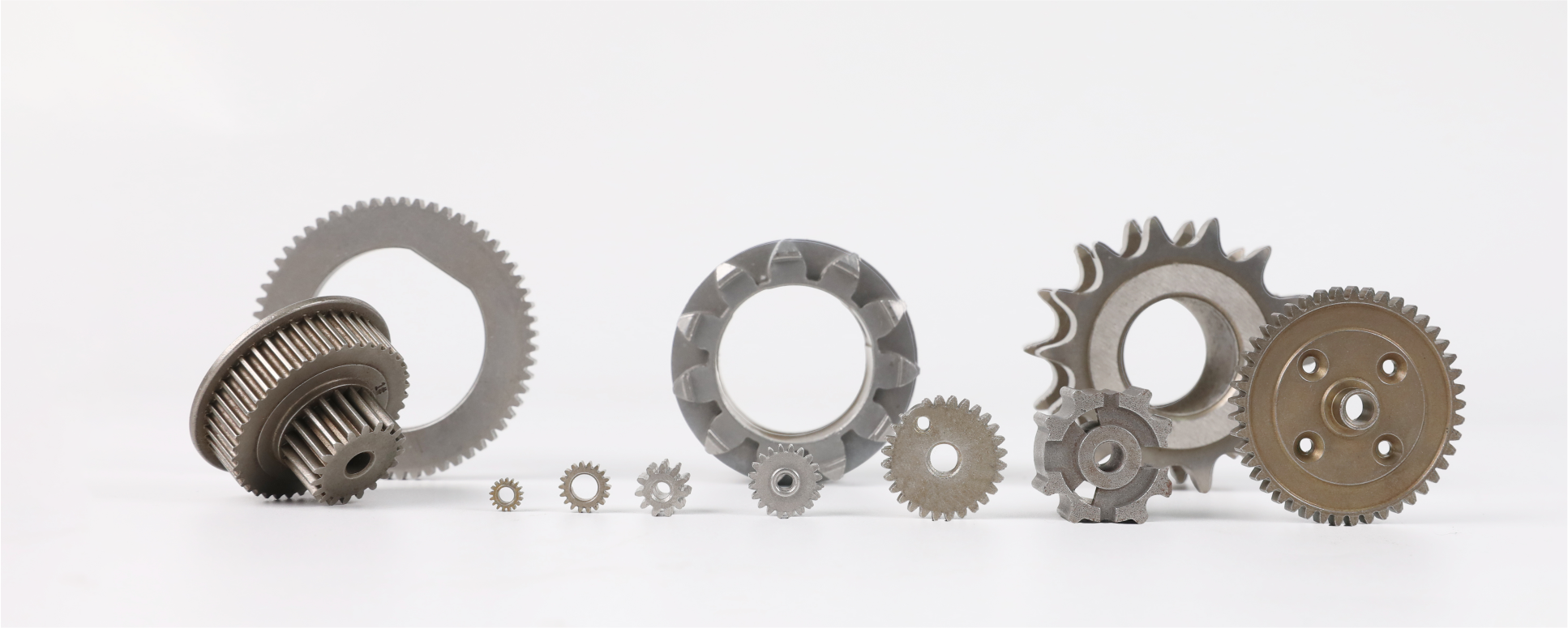
Industria automobilistica Ingranaggi ad alta coppia, pignoni e componenti della trasmissione prodotti secondo rigorosi standard di qualità.
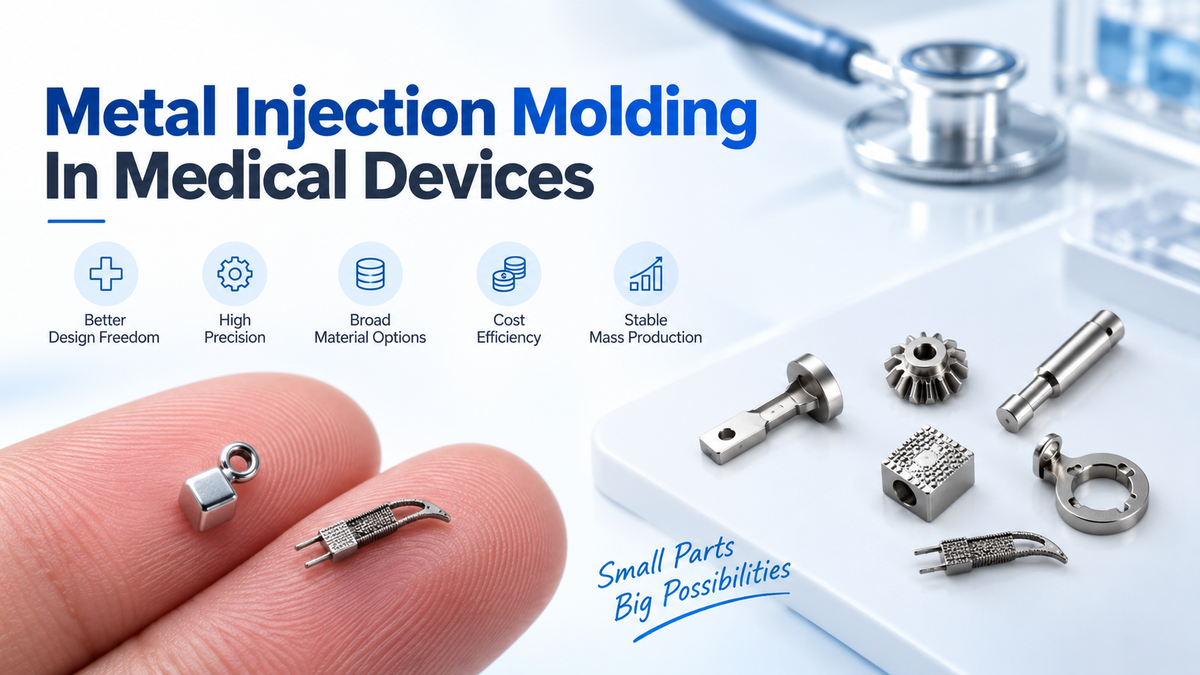
Dispositivi medici Meccanismi chirurgici, gruppi robotici e componenti in acciaio inossidabile resistenti alla corrosione.
Macchinari industriali Boccole autolubrificanti, leve strutturali e parti mobili resistenti all'usura.
Elettronica di consumo Microingranaggi per moduli fotografici, meccanismi di cerniera e gruppi meccanici compatti.

Produttore di componenti sinterizzati vs lavorazione CNC vs pressofusione
Capire in che modo la sinterizzazione si confronta con altri processi produttivi aiuta gli ingegneri a scegliere il metodo più adatto per una specifica applicazione.
| Caratteristica | Componenti sinterizzati | Lavorazione CNC | Pressofusione |
| Resa del materiale | Eccellente (97%+) | Bassa (elevati scarti) | Moderato |
| Resistenza meccanica | Elevata (dipendente dalla densità) | Superiore | Moderato |
| Velocità di produzione | Molto elevata (automatizzata) | Basso | Elevato |
| Costo unitario (grandi volumi) | Minimo | Massimo | Moderato |
La sinterizzazione è particolarmente efficace per la produzione di grandi volumi, quando la geometria uniforme e la riduzione delle lavorazioni meccaniche sono prioritarie.
Vantaggi e limitazioni della produzione di componenti sinterizzati
Vantaggi
Elevato utilizzo del materiale La resa del materiale spesso supera il 97%, riducendo gli scarti rispetto alla lavorazione per asportazione.
Geometria complessa quasi netta Caratteristiche come scanalature interne e fori ciechi possono essere formate direttamente durante la pressatura.
Capacità di autolubrificazione La porosità controllata consente l'impregnazione con olio per componenti in movimento senza necessità di manutenzione.
Efficienza produttiva scalabile L'automazione consente una produzione stabile di grandi volumi, con un controllo prevedibile dei costi.
Limitazioni
Investimento richiesto per le attrezzature Sono necessari stampi personalizzati, il che rende il processo meno adatto alla produzione di volumi molto ridotti.
Gestione delle variazioni di densità Le forme complesse richiedono tecnologie di pressatura avanzate per mantenere una densità uniforme.
Vincoli di tolleranza Tolleranze estremamente ristrette possono richiedere operazioni di lavorazione secondarie.
Come scegliere un produttore di componenti sinterizzati
Quando valutano un fornitore di metallurgia delle polveri, gli ingegneri considerano in genere diversi parametri tecnici di riferimento.
1. Capacità della pressa e controllo della densità
Le presse idrauliche multi-azione aiutano a mantenere una densità uniforme nei componenti multilivello, riducendo i punti deboli strutturali.
2. Operazioni secondarie e finitura
I fornitori avanzati offrono processi integrati quali:
-
Trattamento a vapore per una maggiore durezza e resistenza alla corrosione
-
Impregnazione con resina per applicazioni a tenuta di pressione
-
Post-lavorazione CNC per tolleranze critiche
3. Sistemi di qualità e ispezione
I processi certificati ISO, supportati da ispezioni CMM, rilevamento a raggi X e analisi metallografica, migliorano l'affidabilità.
4. Supporto alla progettazione per la produzione (DFM)
Il feedback ingegneristico su spessore delle pareti, raggi degli angoli e possibilità di espulsione aiuta a ottimizzare costi e producibilità prima dell'inizio della produzione.
Capacità ingegneristiche di XY-GLOBAL
Una volta compresi i criteri tecnici sopra indicati, valutare partner produttivi reali diventa più semplice. XY-GLOBAL applica un approccio di progettazione orientata alla produzione sviluppato in oltre 15 anni di esperienza nell'ingegneria di precisione, combinando sistemi di materiali avanzati con presse di calibratura automatizzate e processi di sinterizzazione controllati.
Matrice avanzata dei materiali
| Categoria del materiale | Applicazioni tipiche | Proprietà principali |
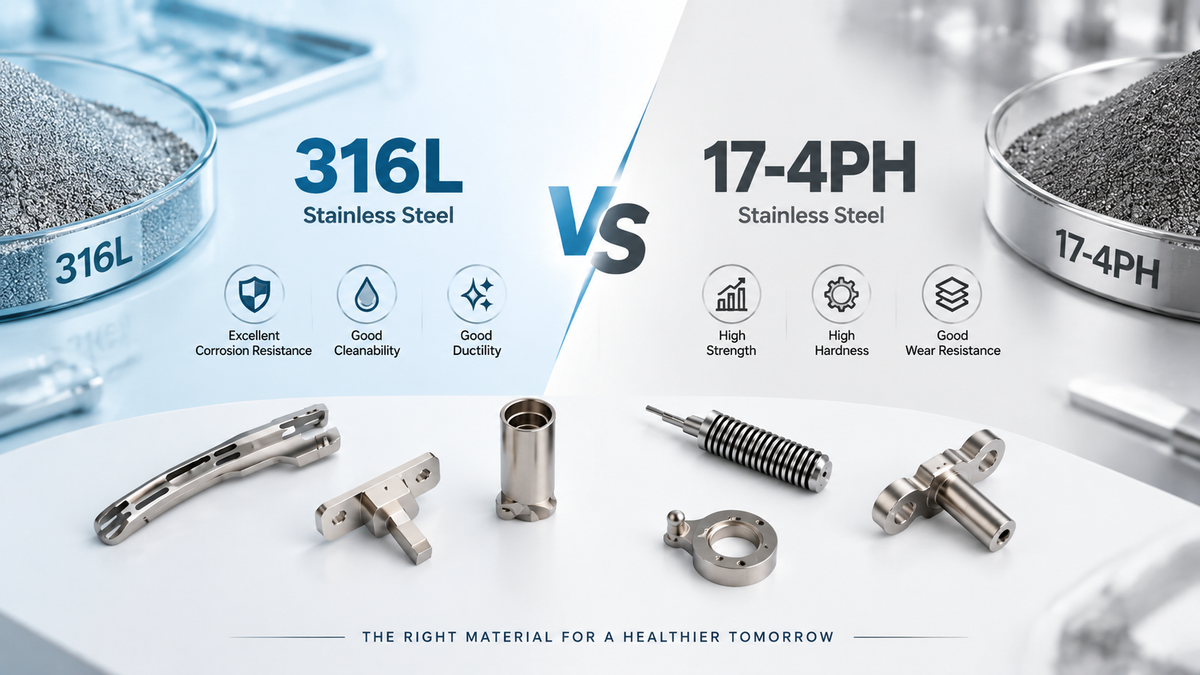
| Acciaio inossidabile (316L/440C) | Strumenti medicali, ferramenta marina | Resistenza alla corrosione e all'usura |
| Leghe ferro-nichel e acciai legati | Ingranaggi per autoveicoli, elettroutensili | Elevata resistenza e tenacità all'urto |
| Leghe di rame e bronzo | Contatti elettrici, boccole | Conducibilità e dissipazione del calore |
| Leghe magnetiche dolci | Sensori, attuatori | Elevata permeabilità magnetica |
Metriche di precisione e garanzia della qualità
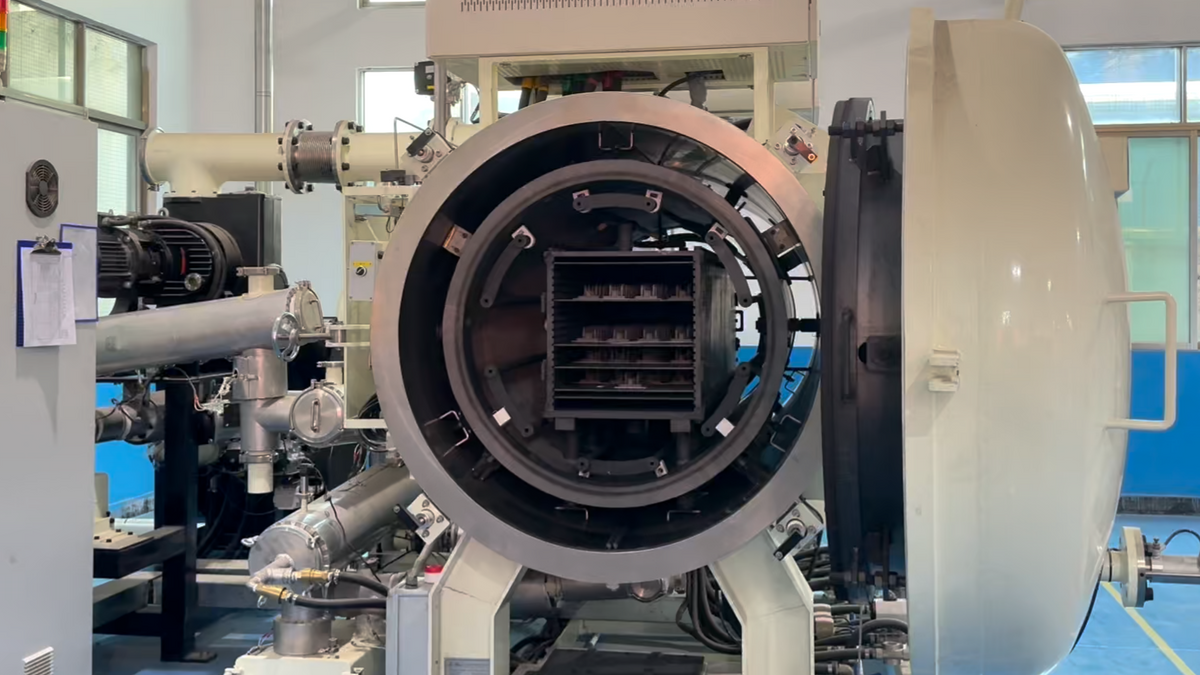
La calibratura automatizzata e la sinterizzazione sotto vuoto consentono di raggiungere tolleranze prossime a ±0.005 mm, contribuendo a colmare il divario tra la metallurgia delle polveri tradizionale e gli ambienti di lavorazione meccanica ad alta precisione.
Domande frequenti sui produttori di componenti sinterizzati
D: Quali tolleranze può ottenere un produttore di componenti sinterizzati?
R: Le tolleranze tipiche dipendono dalla geometria del componente e dal materiale, ma la calibratura e la lavorazione meccanica secondarie possono migliorare significativamente la precisione.
D: I componenti sinterizzati sono più resistenti dei componenti lavorati meccanicamente?
R: La resistenza dipende dalla densità e dalla scelta del materiale. I componenti sinterizzati progettati correttamente possono soddisfare requisiti strutturali rigorosi.
D: Quali materiali sono comunemente utilizzati nella metallurgia delle polveri?
R: L'acciaio inossidabile, le leghe a base di ferro, le leghe di rame e i materiali magnetici dolci sono ampiamente utilizzati.
D: Quando si dovrebbe scegliere la sinterizzazione invece della CNC lavorazione meccanica?
R: La sinterizzazione è ideale per la produzione in grandi volumi di geometrie complesse, quando l'efficienza dei materiali e il controllo dei costi sono prioritari.
Conclusione
La scelta di un produttore di componenti sinterizzati comporta più di un semplice confronto della capacità produttiva. Comprendere la capacità del processo, i sistemi di materiali e il supporto ingegneristico aiuta a garantire prestazioni stabili per tutto il ciclo di vita del prodotto. La metallurgia delle polveri offre una soluzione altamente efficiente per applicazioni che richiedono geometrie complesse, qualità costante ed efficienza produttiva scalabile.
Condividi:
Produttore leader di componenti sinterizzati: soluzioni di alta precisione by XY-GLOBAL
Produttori di componenti in ceramica: componenti ceramici di precisione per industrie avanzate