

Conocimiento
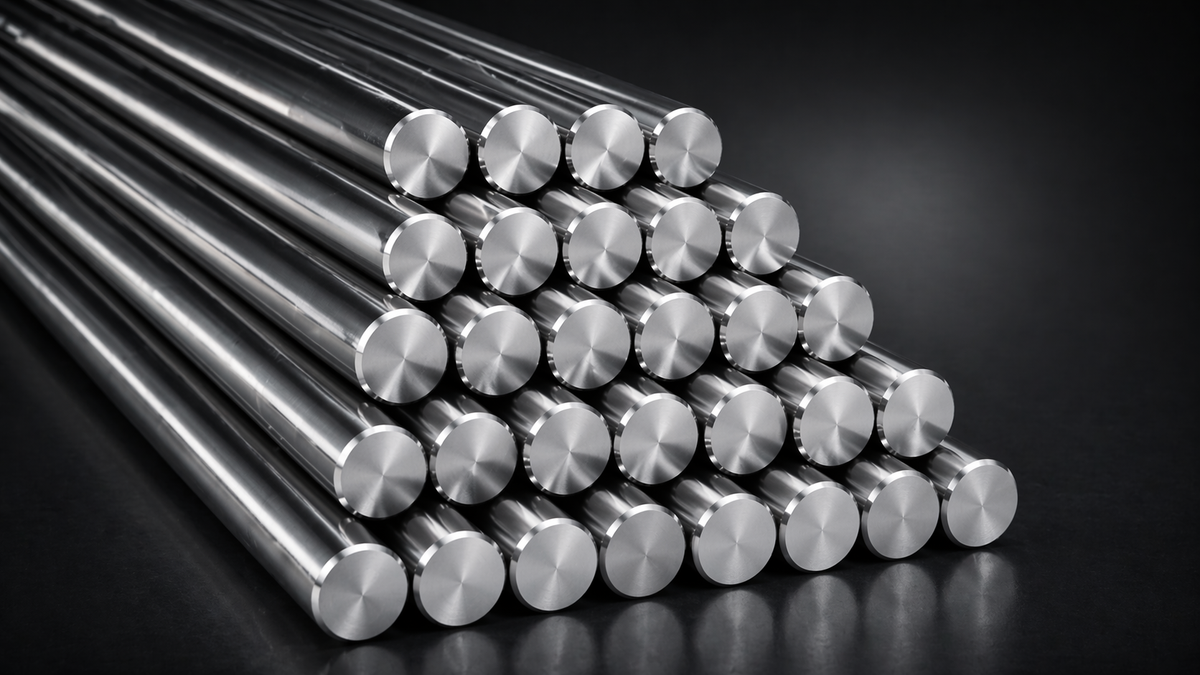
MIM Molding | Custom Metal Injection Molding Services
What Is MIM Molding? MIM molding (Metal Injection Molding molding) is an advanced manufacturing process that combines plastic injection molding technology with powder metallurgy to produce complex metal components with high precision and excellent mechanical properties. Unlike traditional CNC machining,...
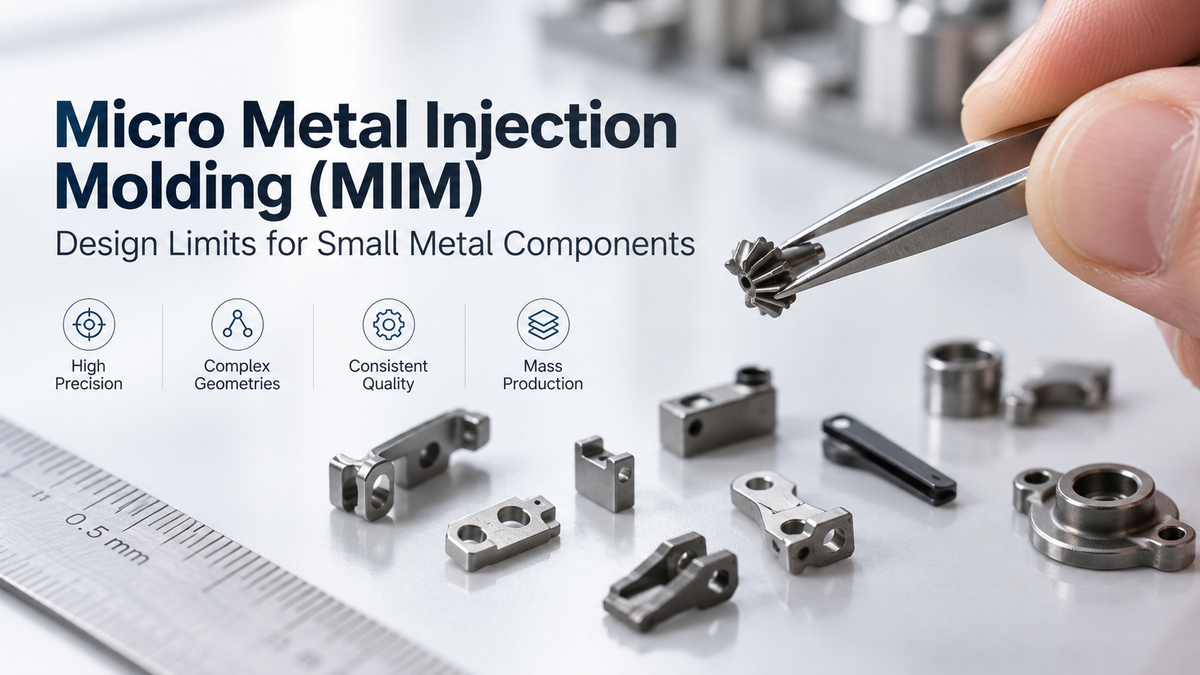
Micro Metal Injection Molding (MIM) Design Limits for Small Metal Components
Metal injection molding(MIM) is well suited for producing small metal parts with complex geometry, especially when conventional manufacturing methods become inefficient or difficult to scale. For very small components, however, the challenge is not simply making the part smaller. As...
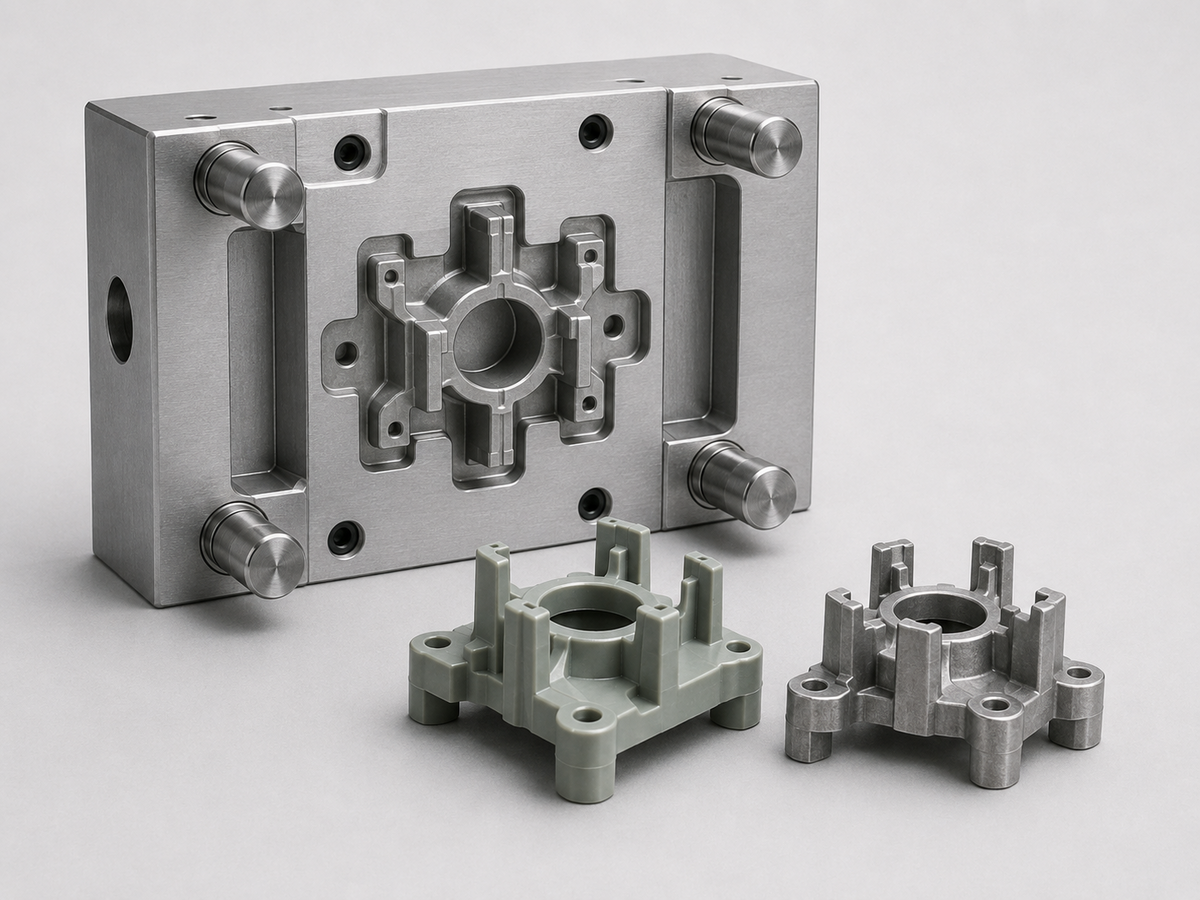
Prensado de polvo metálico para componentes metálicos de alta precisión
El prensado de polvo metálico es un proceso de fabricación rentable para producir piezas metálicas con dimensiones estables, formas complejas y alta repetibilidad. A diferencia del mecanizado tradicional, que elimina material de un bloque sólido, el prensado de polvo metálico...
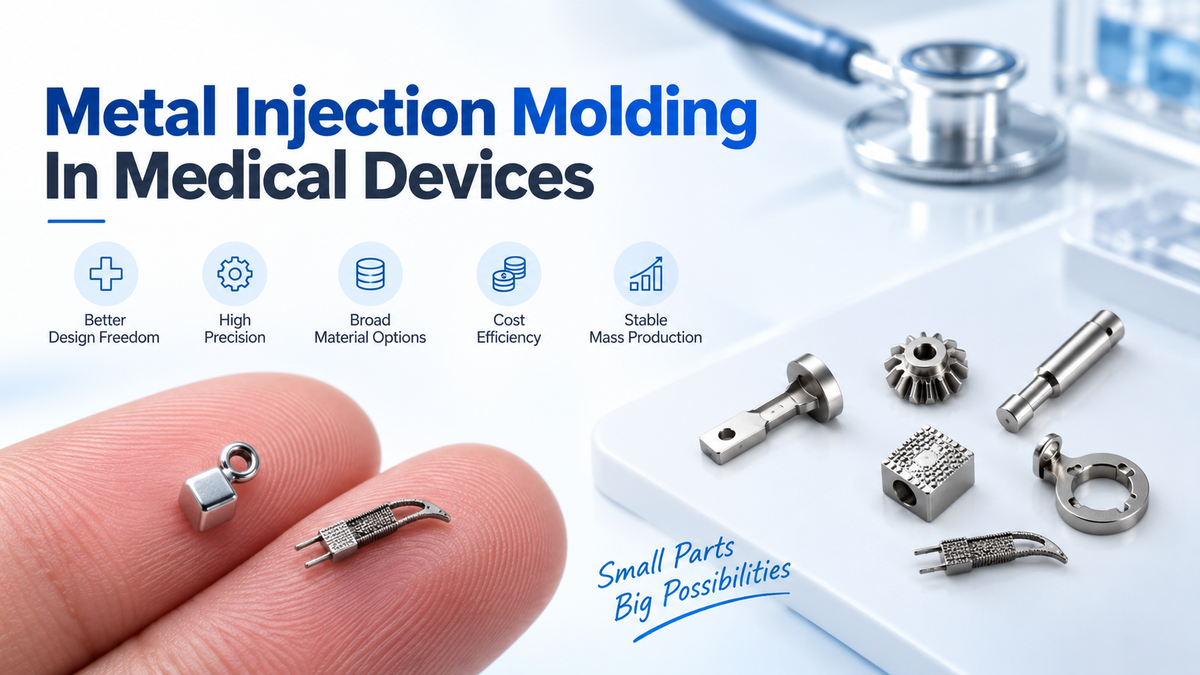
Cuando un dispositivo médico se vuelve más pequeño, las piezas que contiene suelen ser más difíciles de fabricar. Un instrumento quirúrgico puede requerir un componente móvil diminuto, una mordaza compleja o un mecanismo de bloqueo pequeño que debe seguir funcionando...
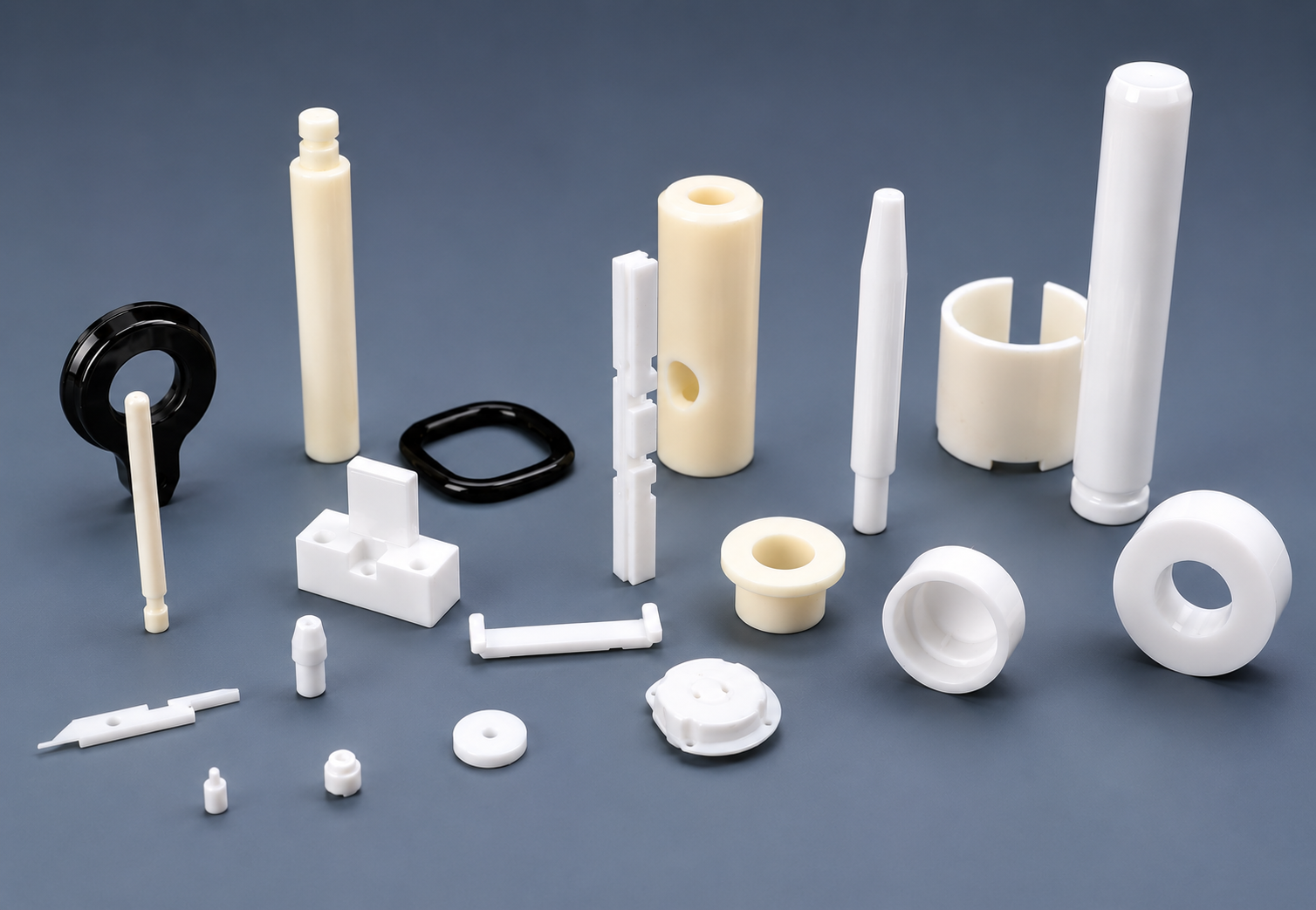
Moldeo por inyección de cerámica (CIM) para la fabricación de cerámica avanzada
¿Qué es el Moldeo por Inyección de Cerámica (CIM)? El Moldeo por Inyección de Cerámica (CIM, por sus siglas en inglés) es un proceso de fabricación basado en la pulvimetalurgia que utiliza polvos cerámicos finos mezclados con un sistema de...
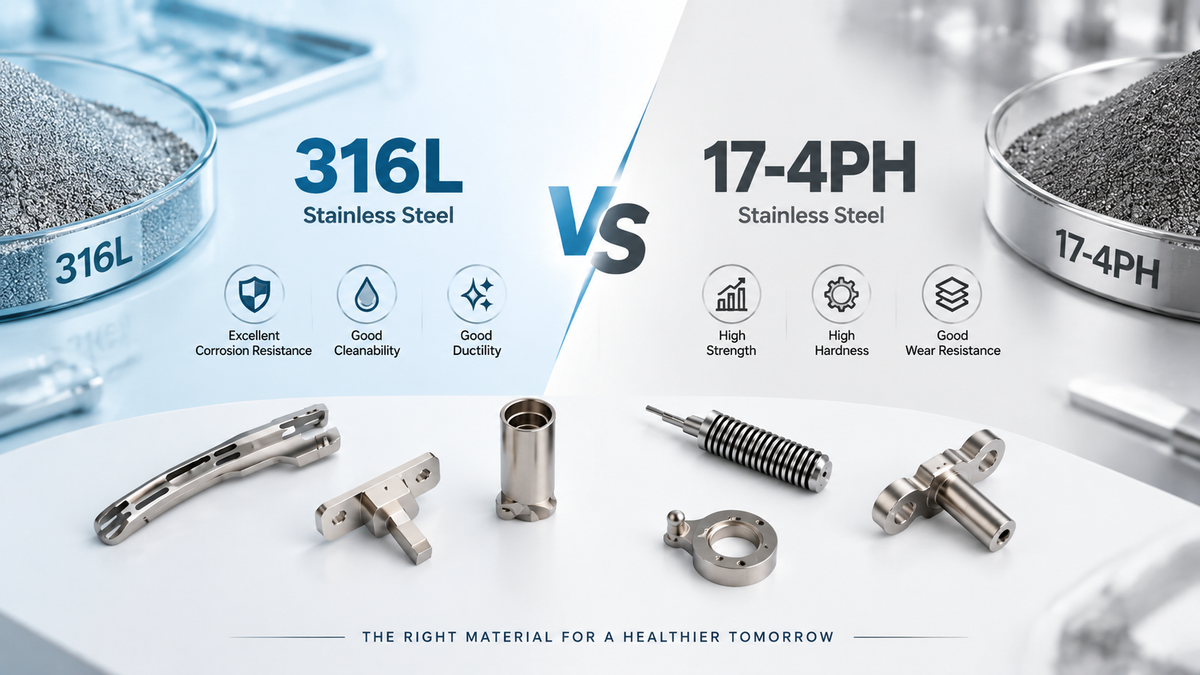
316L frente a 17-4PH para piezas de moldeo por inyección de metal (MIM) de uso médico
El 316L y el 17-4PH son grados de acero inoxidable de uso común para piezas médicas. Ambos funcionan bien con el moldeo por inyección de metal. Ambos se utilizan ampliamente para componentes pequeños y complejos de acero inoxidable. Pero no...
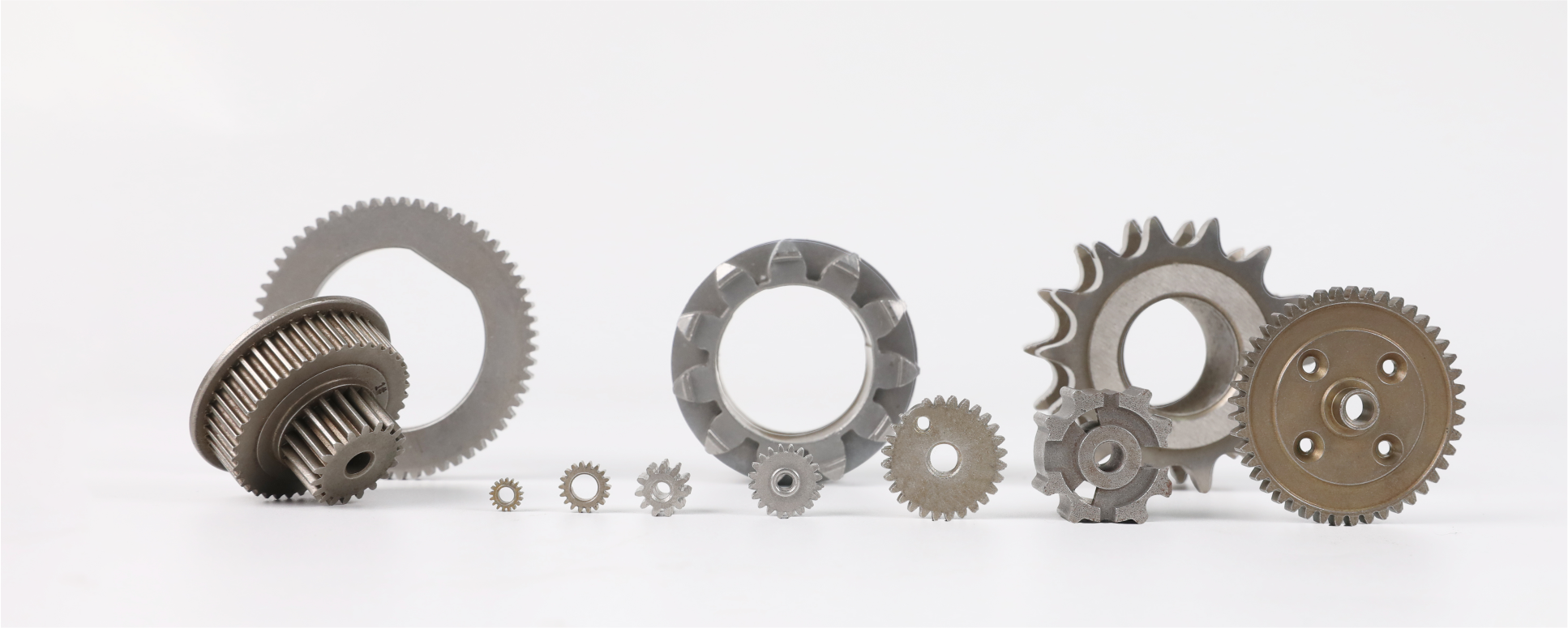
Los 10 mejores proveedores de metal en polvo
En mi extensa investigación, he recopilado meticulosamente una lista de los 10 principales proveedores de metal en polvo. Esta lista se basa en un análisis exhaustivo de los resultados de búsqueda de Google, informes de la industria y reseñas de...
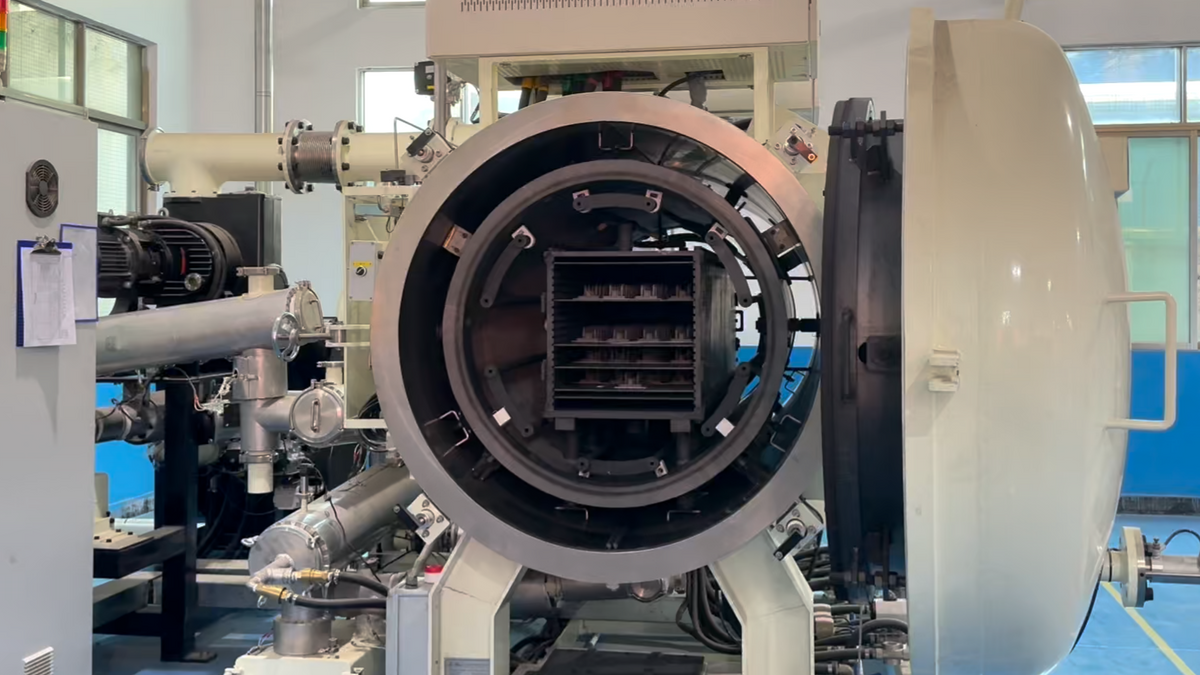
Horno de sinterización dental para una sinterización fiable de circonio
La zirconia generalmente requiere una sinterización a alta temperatura, típicamente alrededor de 1,400°C–1,600°C dependiendo del material. Durante la sinterización, la estabilidad de la temperatura es importante porque un calentamiento desigual puede afectar: Las dimensiones finales La resistencia La consistencia del...
Problemas comunes en el procesamiento de pulvimetalurgia
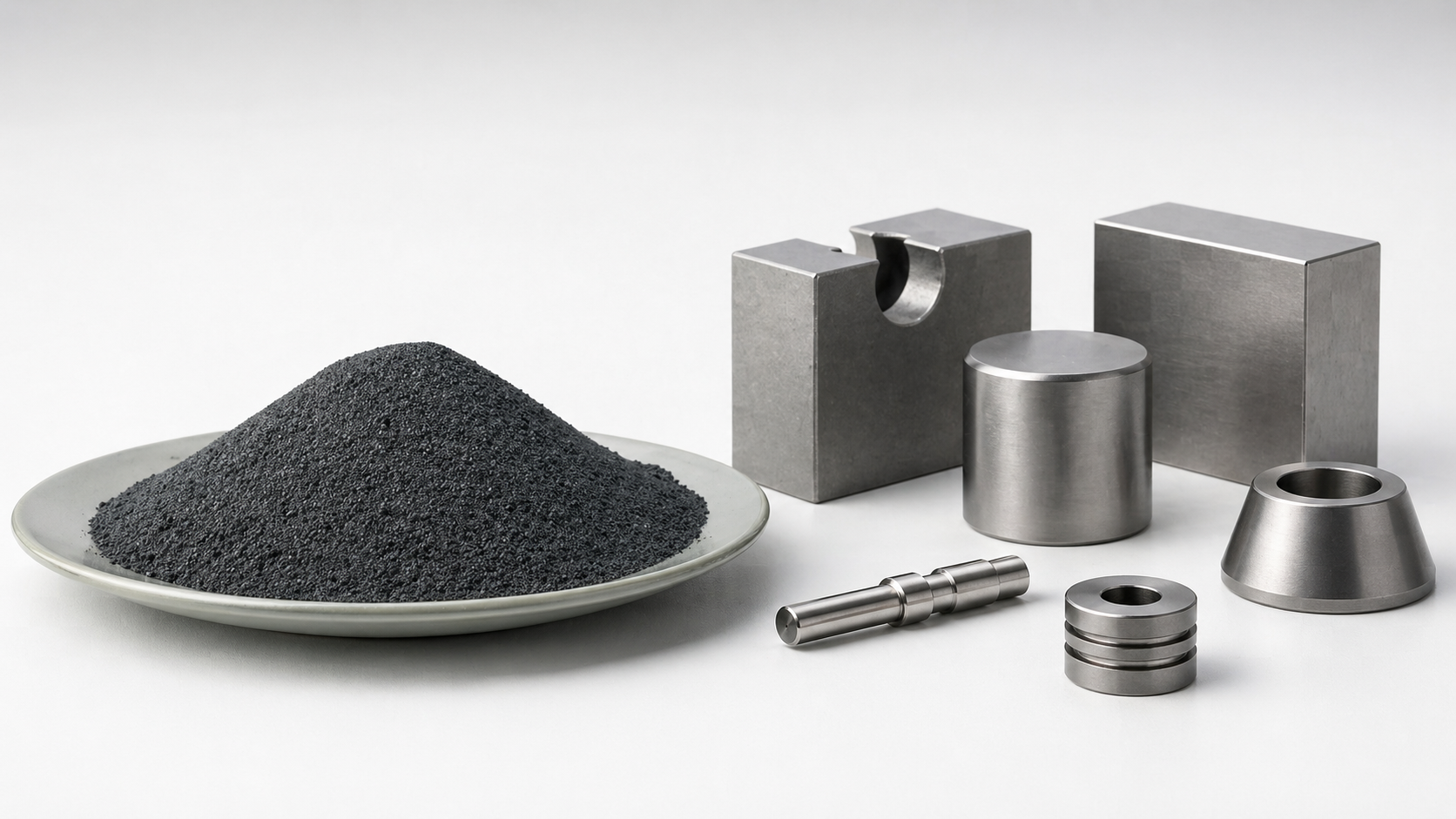
La metalurgia de polvos es un proceso de fabricación que utiliza polvo metálico, o una mezcla de polvo metálico y no metálico, como materia prima. Las piezas o materiales se producen mediante compactación y sinterización. Se utiliza comúnmente para componentes...