


Moldeo por inyección de metal vs. metalurgia de polvos: Cómo elegir el proceso adecuado
El moldeo por inyección de metal (MIM) y la metalurgia de polvos (PM) utilizan polvo metálico y sinterización para producir piezas. Sin embargo, el método de conformado crea grandes diferencias en la capacidad geométrica, la resistencia, la precisión y el costo.
Elegir el proceso incorrecto puede aumentar el costo o reducir el rendimiento. Esta guía explica las diferencias de ingeniería reales y le ayuda a seleccionar el proceso correcto.
El método de conformado define la capacidad
La principal diferencia entre MIM y PM es cómo el polvo forma la pieza.
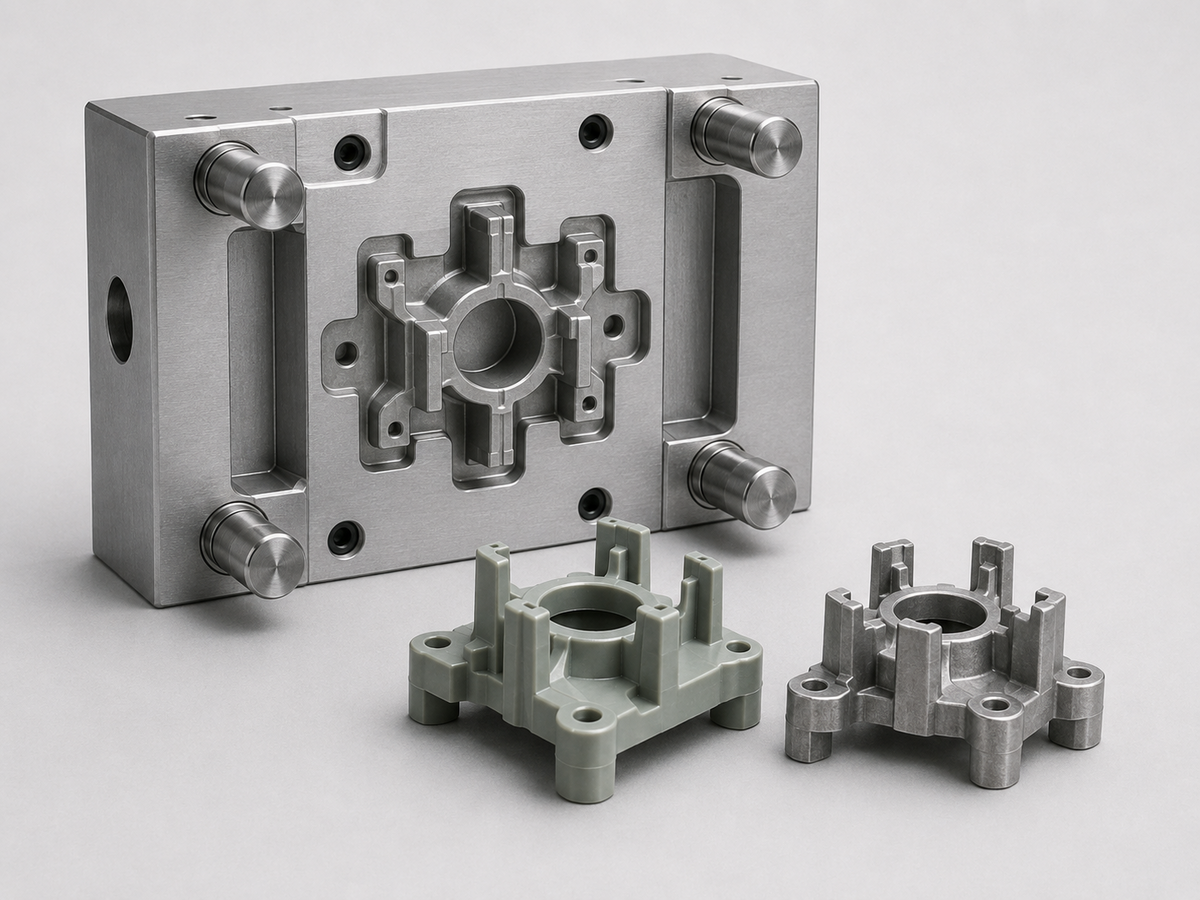
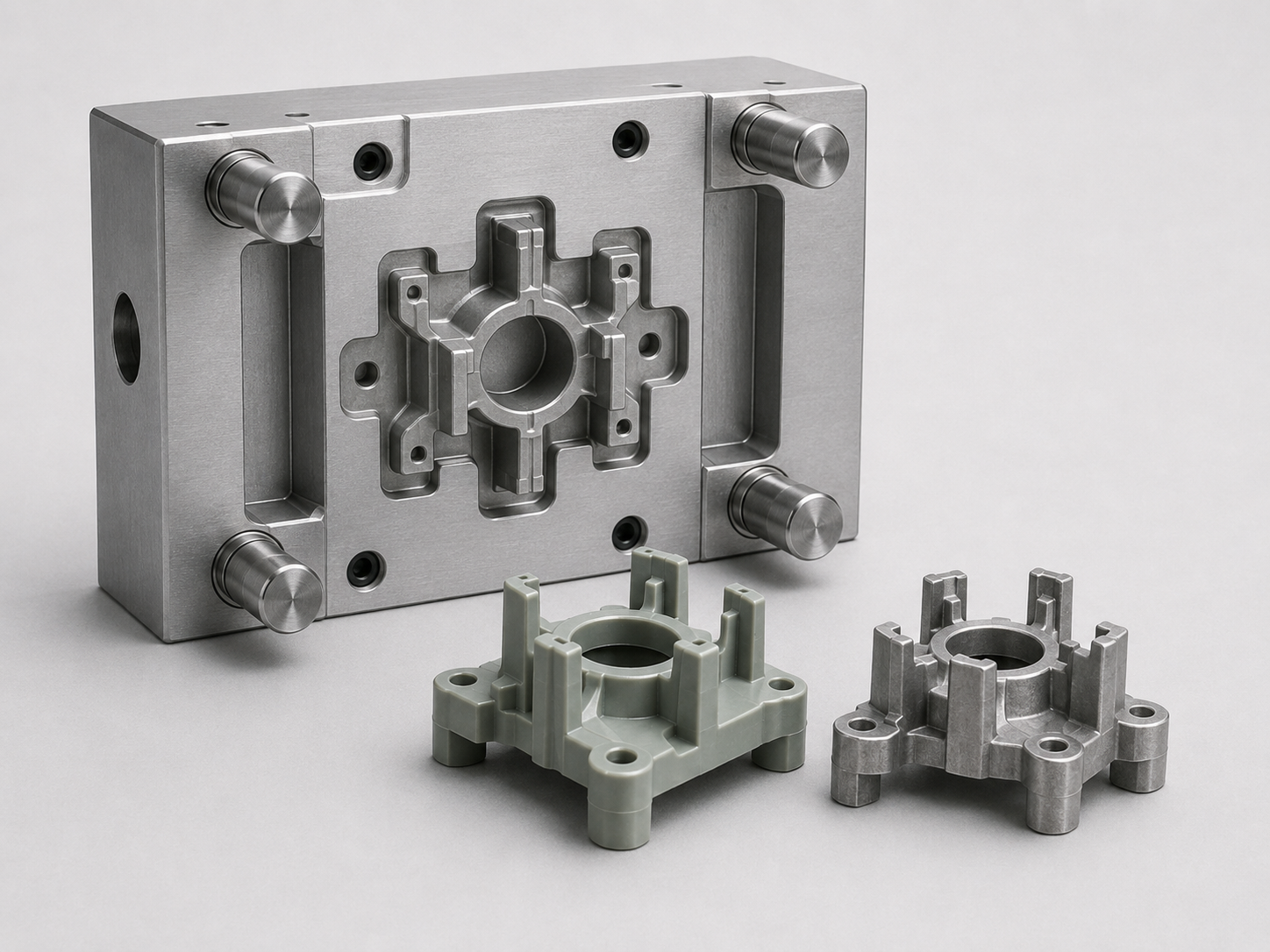
MIM utiliza una mezcla de polvo metálico y aglutinante. La materia prima fluye hacia una cavidad de molde durante la inyección. Este flujo permite que el material llene formas complejas.
PM utiliza prensado mecánico. Un punzón rígido comprime el polvo seco para darle forma. La pieza debe salir directamente del troquel.
Esta limitación restringe la geometría.
Debido a esta diferencia:
-
MIM admite formas complejas
-
PM admite formas más simples
-
MIM proporciona una densidad más uniforme
-
PM tiene más restricciones geométricas
El método de conformado lo determina todo lo demás.
Comparación de capacidades principales
La siguiente tabla muestra las principales diferencias de ingeniería.
| Parámetro | Moldeo por inyección de metal (MIM) | Metalurgia de polvos (PM) |
|---|---|---|
| Método de conformado | Moldeo por inyección | Prensado mecánico |
| Densidad | 96–99% | 85–95% |
| Tolerancia típica | ±0.3% | ±0.5–1.0% |
| Espesor mínimo de pared | ~0.3 mm | ~1.0–1.5 mm |
| Capacidad geométrica | Compleja | Limitada |
| Socavados | Compatibles | No compatibles |
| Resistencia mecánica | Mayor | Moderada |
| Tamaño ideal de pieza | Pequeño a mediano | Mediano a grande |
| Eficiencia de costos | Piezas complejas | Piezas simples |
Estos valores reflejan la capacidad de producción real.
La capacidad geométrica suele ser el primer factor de decisión
La geometría es el factor de selección más importante.
PM requiere prensado y expulsión vertical. Este requisito limita la libertad de diseño.
PM no puede formar:
-
Socavados
-
Agujeros laterales
-
Canales internos perpendiculares a la dirección de prensado
-
Características 3D complejas
MIM no tiene estas limitaciones. El material fluye y llena completamente la cavidad.
Esto permite:
-
Paredes delgadas
-
Características internas
-
Geometría externa compleja
-
Características multidireccionales

Comparación de capacidades:
| Característica | MIM | PM |
|---|---|---|
| Paredes delgadas (<0.5 mm) | Compatibles | No compatibles |
| Socavados | Compatibles | No compatibles |
| Agujeros laterales | Compatibles | Limitados |
| Formas 3D complejas | Compatibles | Limitadas |
| Formas simples | Compatibles | Compatibles |
Si una pieza no se puede expulsar verticalmente, la PM suele ser imposible.
La densidad afecta directamente la resistencia
La densidad es un factor clave de rendimiento.
Una mayor densidad mejora:
-
La resistencia
-
La resistencia a la fatiga
-
La fiabilidad estructural
MIM logra una mayor densidad. El polvo se distribuye uniformemente antes de la sinterización.
PM produce menor densidad. El prensado mecánico crea más porosidad residual.
Densidad típica:
-
MIM: 96–99%
-
PM: 85–95%
Esta diferencia afecta el rendimiento mecánico.
Como resultado:
-
Las piezas MIM tienen mayor resistencia
-
Las piezas MIM resisten mejor la fatiga
-
Las piezas de PM funcionan bien para cargas moderadas
La porosidad de PM puede ayudar en aplicaciones autolubricantes como los casquillos. Sin embargo, reduce la resistencia general.
Tolerancia y precisión
MIM proporciona un mejor control dimensional.
Tolerancias típicas:
-
MIM: ±0.3%
-
PM: ±0.5–1.0%
MIM es adecuado para componentes de precisión como:
-
Piezas de dispositivos médicos
-
Componentes ópticos
-
Componentes electrónicos
PM funciona bien para tolerancias menos críticas.
La eficiencia de costos depende de la complejidad de la pieza
El costo depende en gran medida de la geometría.
PM tiene ventajas para piezas simples:
-
Menor costo de herramental
-
Tiempo de ciclo más rápido
-
Menor costo por pieza
PM es ideal para:
-
Engranajes simples
-
Casquillos
-
Componentes estructurales
MIM se vuelve más rentable cuando la geometría es compleja.
MIM reduce:
-
Mecanizado CNC
-
Operaciones secundarias
-
Pasos de ensamblaje
Esto reduce el costo total de fabricación.
Regla de costos:
-
Geometría simple → PM es más barato
-
Geometría de precisión compleja → MIM es más barato
Guía de selección de ingeniería
Utilice esta tabla para una selección rápida.
| Requisito | Proceso recomendado |
|---|---|
| Geometría compleja | MIM |
| Paredes delgadas | MIM |
| Tolerancias estrictas | MIM |
| Alta resistencia | MIM |
| Geometría simple | PM |
| Tamaño de pieza grande | PM |
| Menor costo para piezas simples | PM |
Esta guía refleja la práctica de producción típica.
Aplicaciones típicas
Aplicaciones comunes de MIM
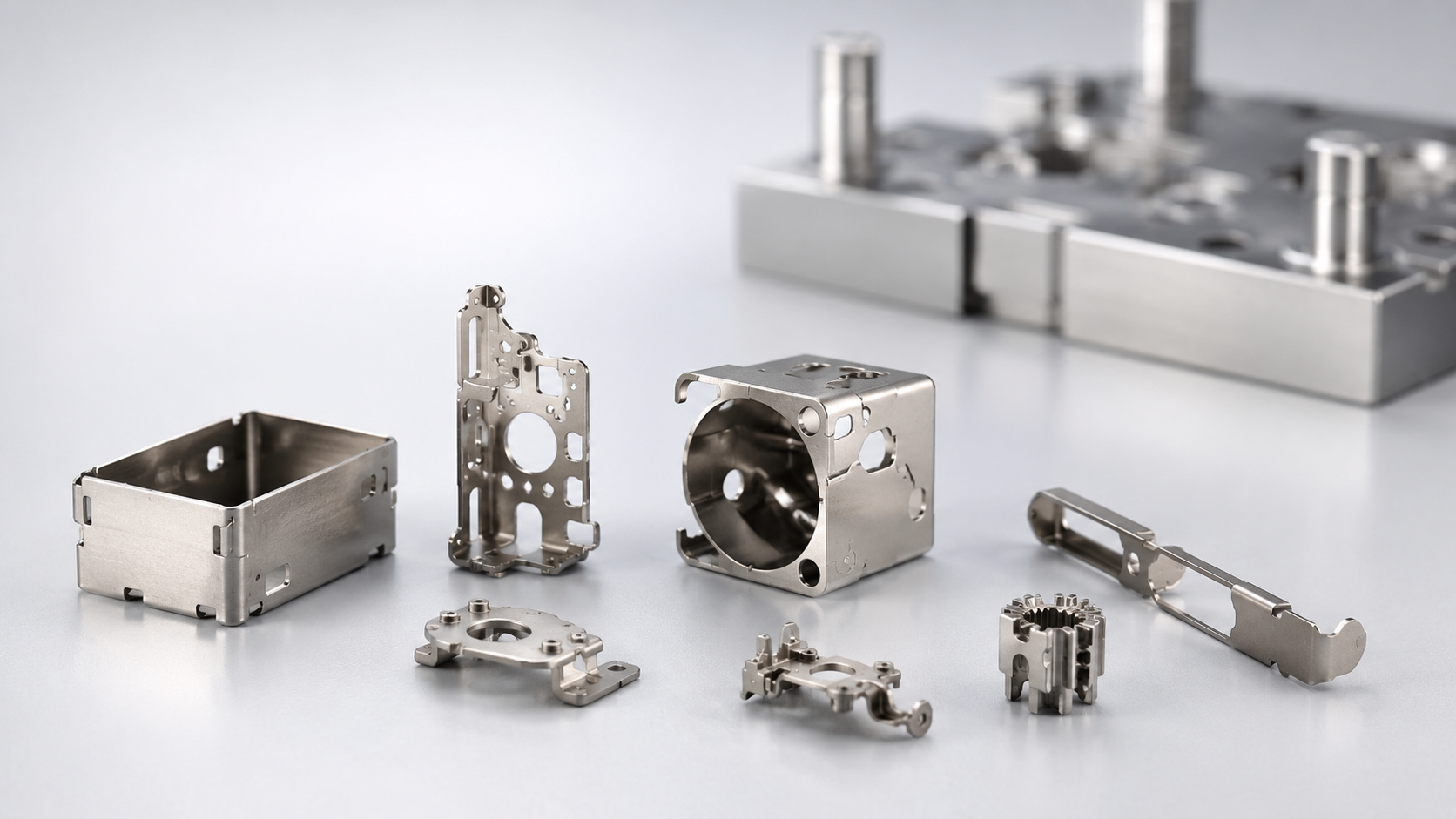
MIM se utiliza ampliamente para componentes de precisión:
-
Componentes de dispositivos médicos
-
Componentes de sistemas ópticos
-
Componentes electrónicos
-
Piezas mecánicas de precisión
Estas aplicaciones requieren:
-
Geometría compleja
-
Alta precisión
-
Alta resistencia
Aplicaciones comunes de PM
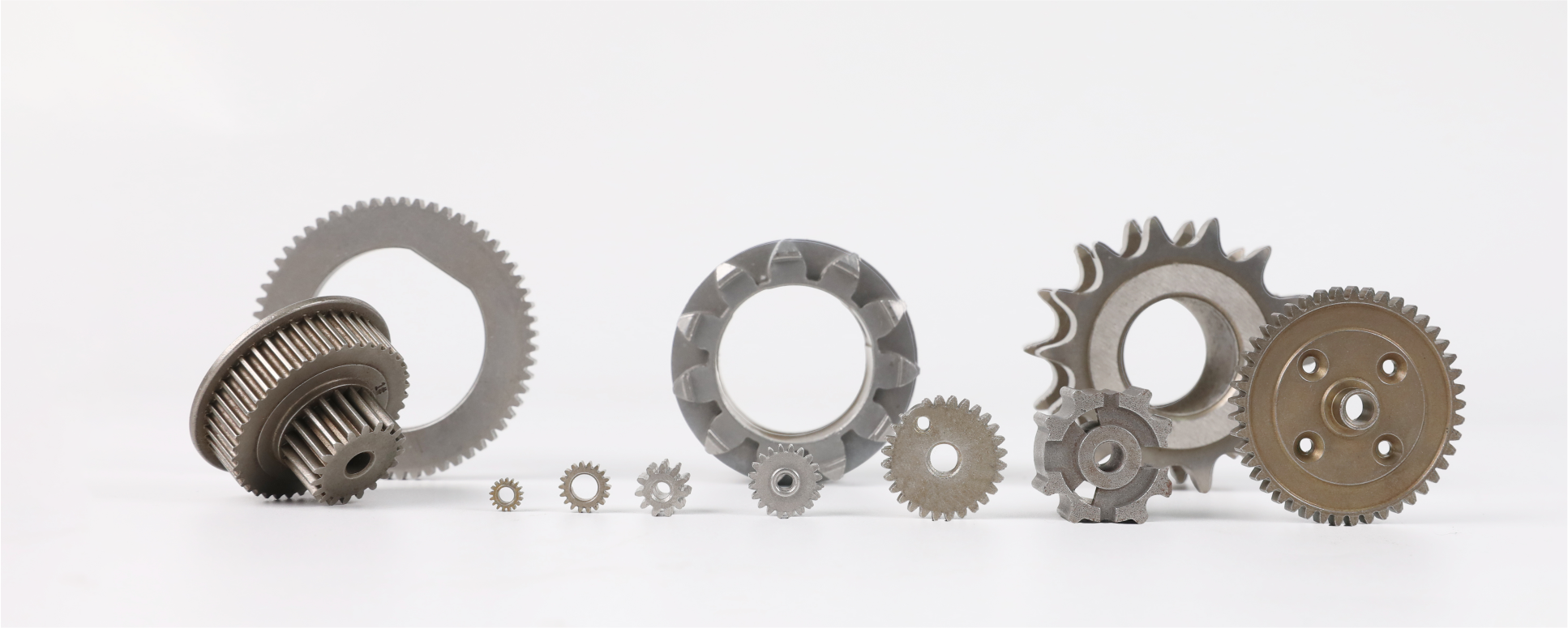
PM se utiliza ampliamente para componentes estructurales:
-
Engranajes
-
Casquillos
-
Piezas estructurales
-
Componentes automotrices
Estas piezas suelen tener una geometría más simple.
Cuándo elegir MIM vs PM
Elija MIM cuando la pieza requiera:
-
Geometría compleja
-
Paredes delgadas
-
Alta precisión
-
Alta resistencia
-
Mecanizado reducido
Elija PM cuando la pieza requiera:
-
Geometría simple
-
Tamaño más grande
-
Menor costo
-
Alto volumen de producción
La elección correcta depende de los requisitos de ingeniería, no de la preferencia del proceso.

Conclusión
El moldeo por inyección de metal y la metalurgia de polvos cubren diferentes rangos de capacidad.
MIM proporciona:
-
Capacidad de geometría compleja
-
Mayor densidad
-
Mayor resistencia
-
Mayor precisión
PM proporciona:
-
Menor costo para piezas simples
-
Producción eficiente de alto volumen
-
Buen rendimiento para aplicaciones estructurales
La geometría, la resistencia, la tolerancia y el costo determinan el proceso correcto.

Compartir:
Compresión isostática: principios, diferencias en los procesos y aplicaciones industriales
Cómo elegir el fabricante adecuado de rodamientos cerámicos: lo que necesita saber