

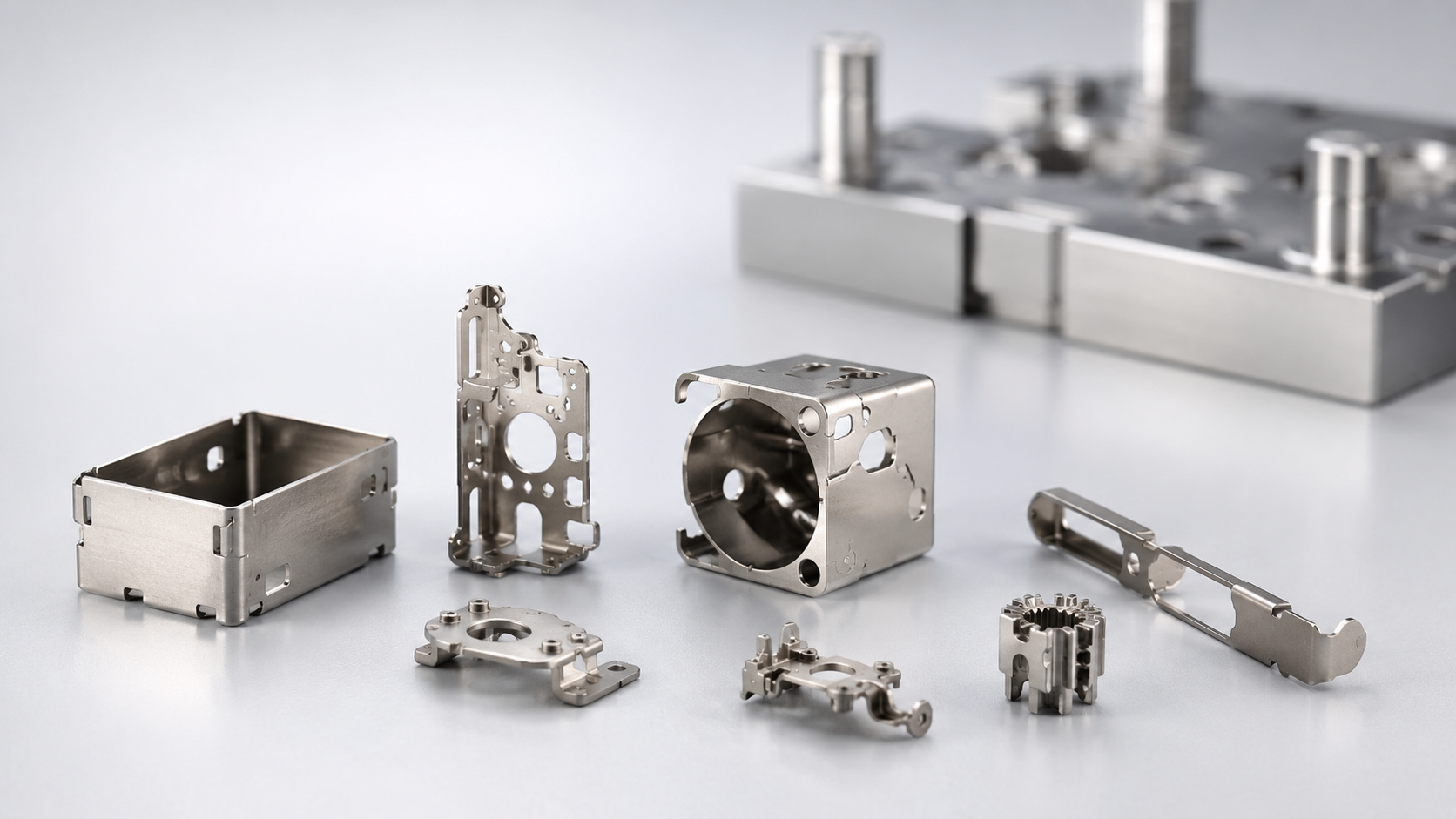
Para piezas metálicas pequeñas de pared delgada, geometría compleja y altos volúmenes anuales, el mecanizado CNC puede resultar costoso e ineficiente.
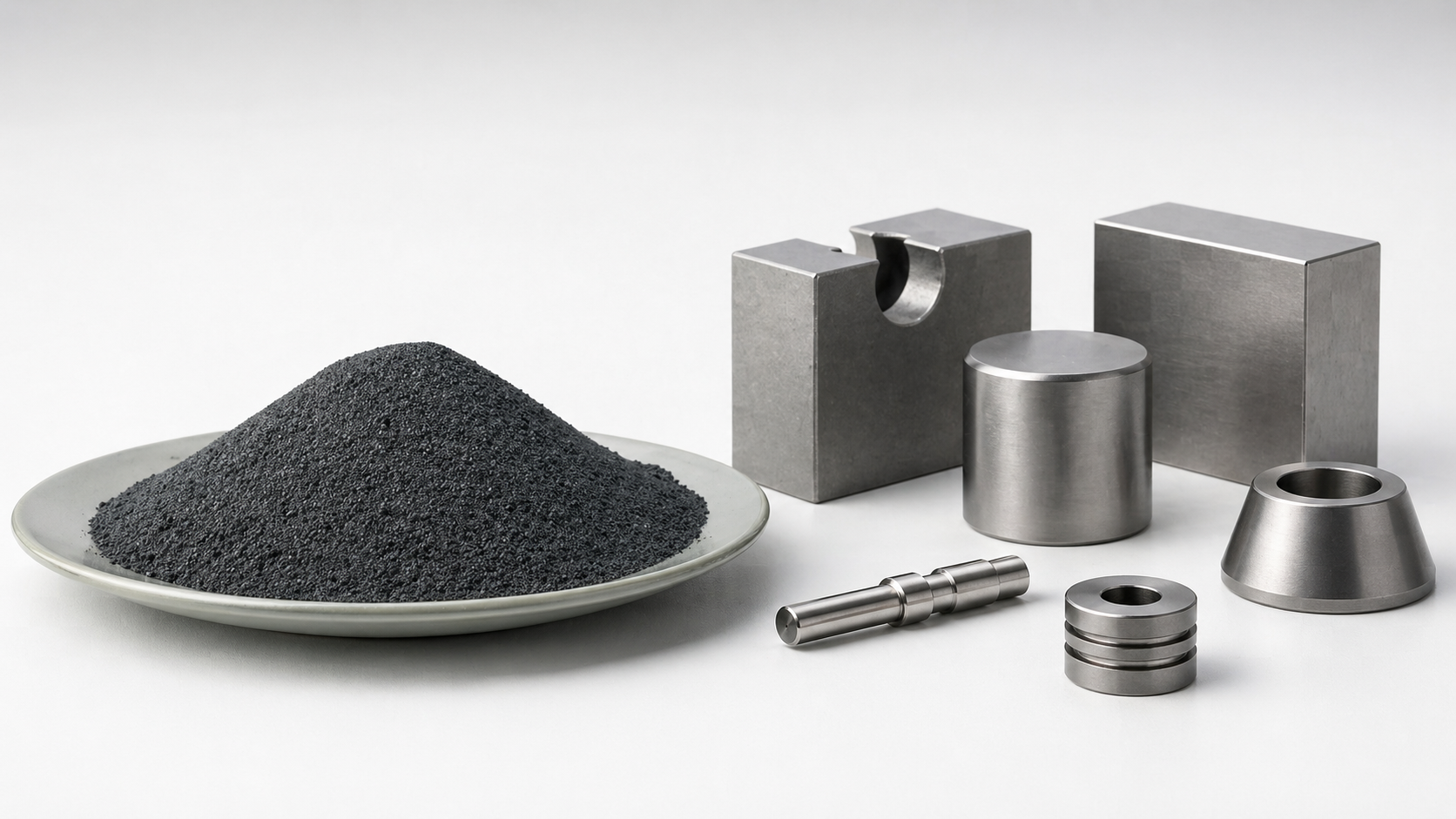
XY-GLOBAL ofrece servicios de moldeo por inyección de metal de pared delgada y precisión para clientes que necesitan componentes metálicos compactos con dimensiones repetibles, características integradas y una producción en masa confiable.
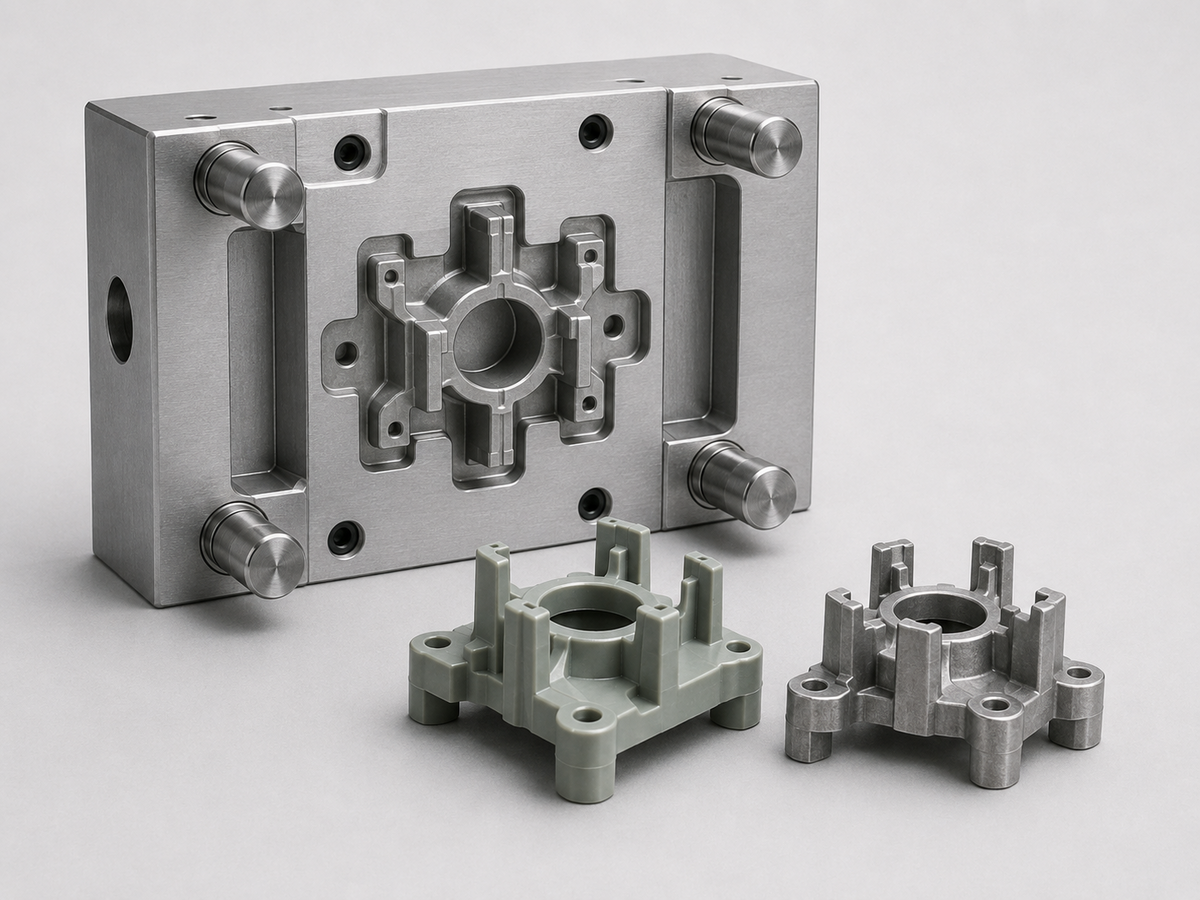
Apoyamos todo el proceso desde el DFM (diseño para fabricación) y el utillaje hasta el moldeo, desaglutinado, sinterizado, mecanizado CNC secundario e inspección.

Capacidad de MIM de precisión
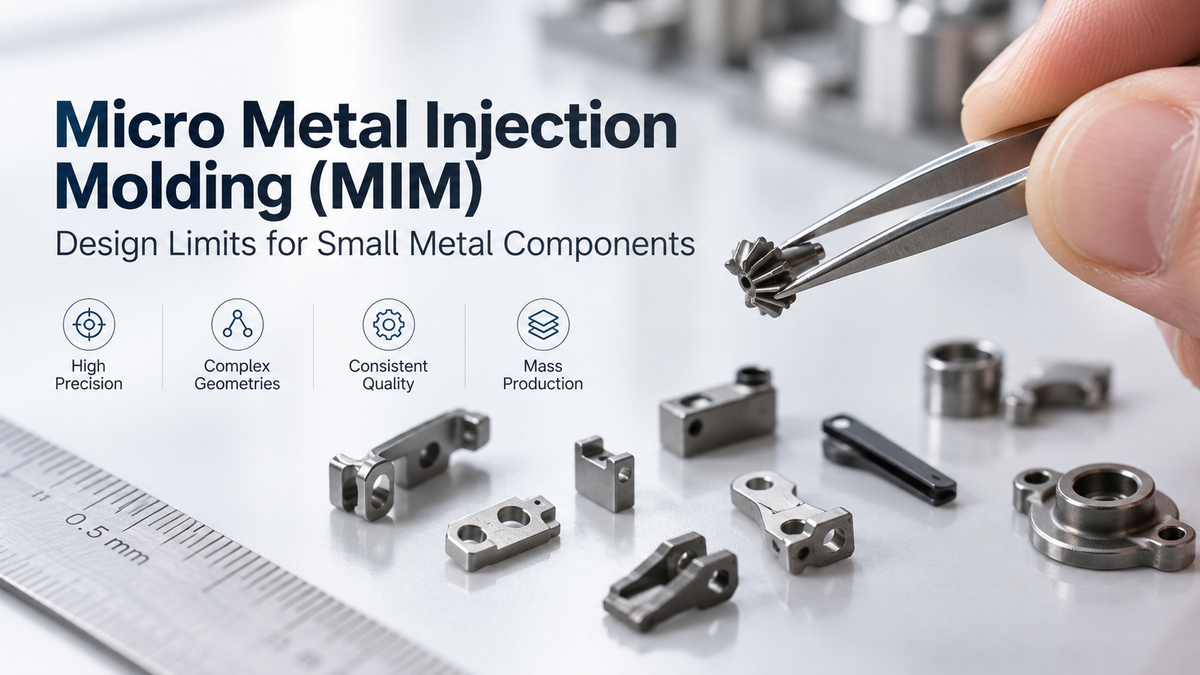
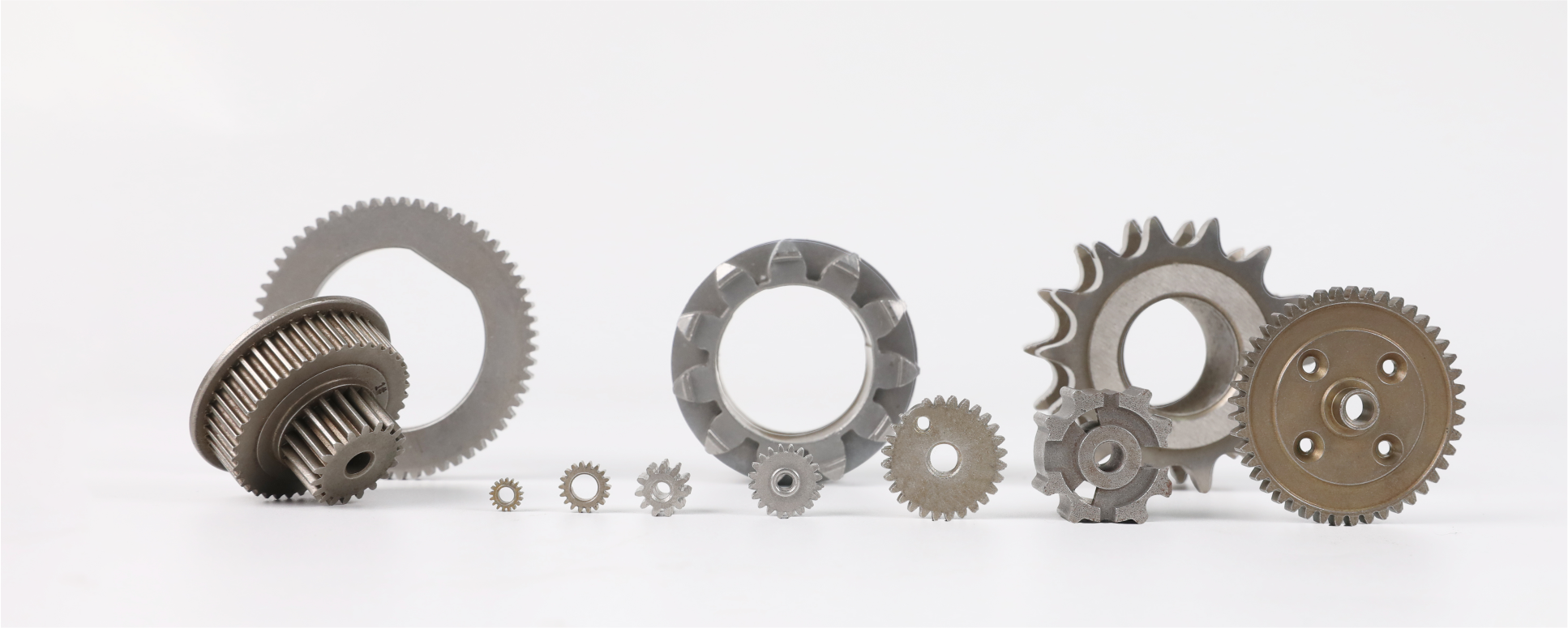
Nuestro proceso MIM es adecuado para componentes pequeños que resultan difíciles o costosos de fabricar mediante mecanizado convencional.
| Capacidad | Rango típico |
|---|---|
| Peso típico de la pieza | Menos de 1 g a decenas de gramos |
| Grosor de pared típico | 0.5–3.0 mm |
| Características más delgadas | Menos de 0.5 mm tras revisión DFM |
| Tolerancia general MIM | Aprox. ±0.3% a ±0.5% |
| Tolerancias críticas | Mecanizado CNC secundario disponible |
| Rugosidad superficial típica | Ra 0.8–1.6 μm |
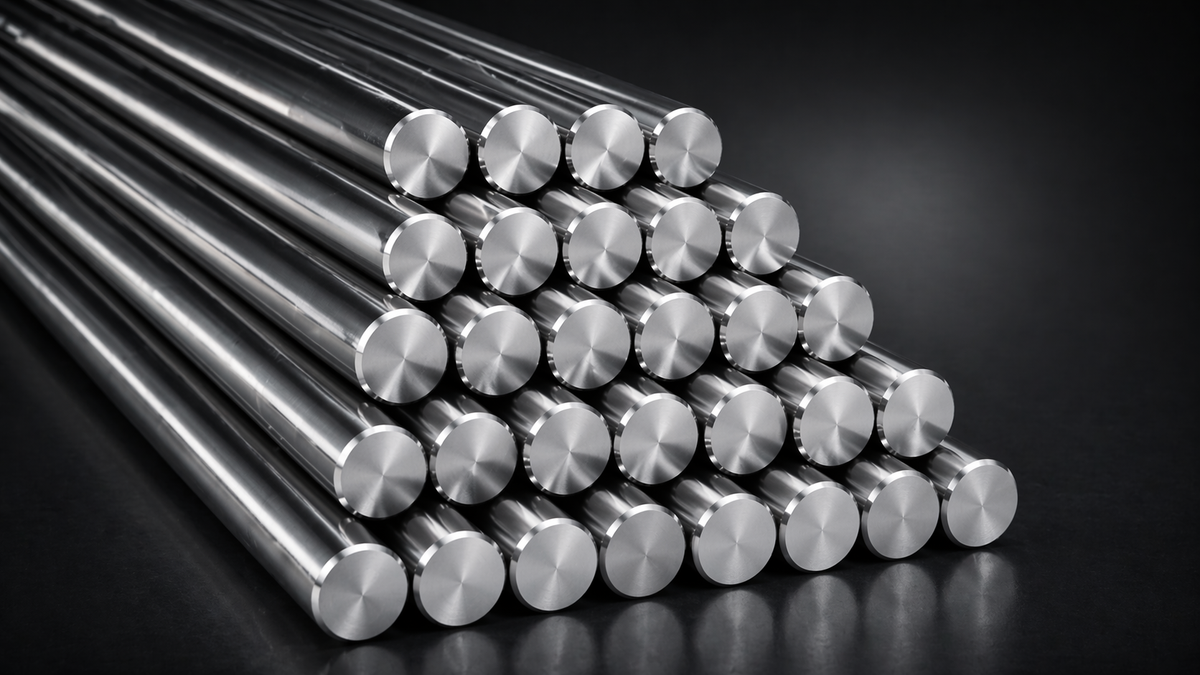
| Materiales comunes | 17-4PH, 316L, 304, 420, 440C |
| Volumen de producción | Miles a millones de piezas |
| Inspección | CMM, medición óptica, calibres |
| Procesos secundarios | CNC, rectificado, tratamiento térmico, pulido, PVD |
La capacidad real depende del tamaño de la pieza, el material, el grosor de la pared y los requisitos de tolerancia.
El MIM de pared delgada requiere un buen DFM
Las piezas de pared delgada pueden ser sensibles al llenado, la contracción y la deformación.
Antes de fabricar el utillaje, nuestro equipo de ingeniería revisa:
-
la consistencia del grosor de la pared
-
las nervaduras delgadas y secciones estrechas
-
la ubicación de la entrada
-
los ángulos de salida
-
las líneas de partición
-
las socavaduras
-
las tolerancias críticas
-
los riesgos de deformación durante el sinterizado
El propósito es identificar los riesgos de fabricación antes de construir el molde.
Pequeños cambios de diseño en la etapa de DFM a menudo pueden reducir las modificaciones de utillaje y mejorar la estabilidad de producción.

La compensación de la contracción es crítica
Las piezas MIM se contraen durante el desaglutinado y el sinterizado, típicamente alrededor de un 15%–20%, dependiendo del material y del sistema de materia prima.
Para piezas simples, la contracción puede ser relativamente predecible.
Para componentes de pared delgada o asimétricos, las diferentes áreas pueden contraerse de manera distinta.
Por lo tanto, nuestro desarrollo de utillaje y procesos considera:
-
la contracción del material
-
el grosor de la pared local
-
la posición de la característica
-
la dirección del moldeo
-
la orientación del sinterizado
-
las relaciones de referencia críticas
Las muestras iniciales se miden tras el sinterizado, y el utillaje puede ajustarse de acuerdo con los resultados dimensionales reales.

MIM + CNC para características de tolerancia estrecha
No todas las características deben lograrse directamente mediante MIM.
Para muchos componentes de precisión, el enfoque más económico es moldear primero la geometría compleja y mecanizar solo las áreas críticas posteriormente.
| Característica | Proceso recomendado |
|---|---|
| Geometría exterior compleja | MIM |
| Nervaduras delgadas | MIM |
| Salientes pequeños | MIM |
| Perfiles internos | MIM |
| Agujero de precisión | MIM + CNC |
| Tolerancia de posición estrecha | MIM + CNC |
| Superficie plana crítica | CNC o rectificado |
| Rosca de precisión | MIM o mecanizado secundario |
| Superficie de alto acabado | Rectificado / pulido |
Esto ayuda a mantener la ventaja de costo del MIM mientras se cumplen los exigentes requisitos de ensamblaje.
Materiales para piezas pequeñas MIM de precisión
Comúnmente trabajamos con:
-
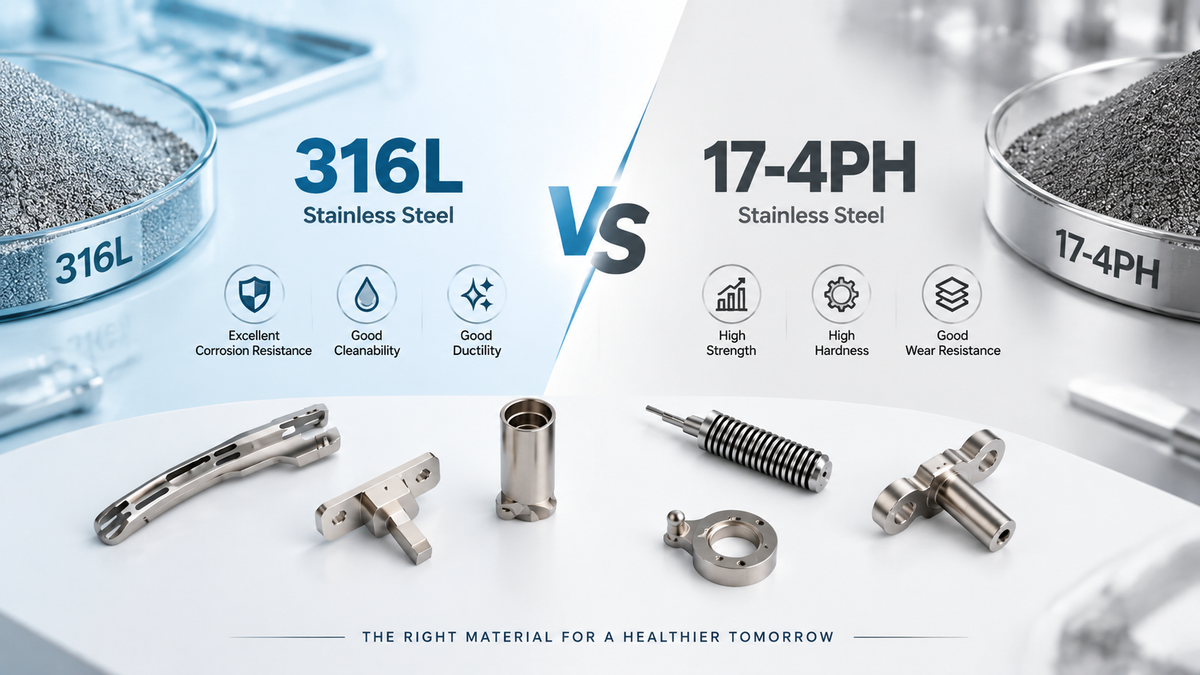
acero inoxidable 17-4PH
-
acero inoxidable 316L
-
acero inoxidable 304
-
acero inoxidable 420
-
acero inoxidable 440C
-
aceros de baja aleación
-
otros materiales MIM específicos para cada proyecto
La selección del material debe considerar la resistencia, dureza, resistencia a la corrosión, tratamiento térmico y los requisitos de superficie final.

Control de calidad para componentes MIM pequeños
Las piezas pequeñas a menudo contienen múltiples dimensiones funcionales dentro de un área limitada.
Dependiendo del proyecto, utilizamos:
| Requisito | Método de inspección |
|---|---|
| Dimensiones generales | Micrómetro / Calibrador |
| Características pequeñas | Medición óptica |
| GD&T | CMM |
| Diámetro de orificio | Calibre de pasador |
| Planitud | CMM / Dispositivo |
| Rugosidad superficial | Rugosímetro |
| Primer artículo | Informe de inspección dimensional |
Para la producción repetida, también se pueden desarrollar calibres dedicados o dispositivos de inspección para dimensiones clave.

¿Cuándo debería considerar MIM?
El MIM es especialmente adecuado cuando un componente tiene:
-
un tamaño general pequeño
-
paredes delgadas
-
geometría 3D compleja
-
múltiples características integradas
-
requisitos de acero inoxidable o materiales de alta resistencia
-
un alto volumen de producción anual
Para cantidades bajas o geometrías simples, el mecanizado CNC puede seguir siendo más económico.
Pero cuando una pieza pequeña de acero inoxidable requiere varias configuraciones de mecanizado y la demanda anual alcanza decenas de miles de unidades, el MIM puede reducir significativamente el costo de fabricación unitario.
Soporte de fabricación MIM de XY-GLOBAL
XY-GLOBAL ha apoyado proyectos de fabricación a medida desde 2011.
Nuestras capacidades incluyen MIM, así como mecanizado CNC, rectificado, EDM, fundición a presión, CIM y montaje.
| Información de la fábrica | Detalles |
|---|---|
| Fundada | 2010 |
| Apoyo de fabricación | China y Malasia |
| Sistemas de calidad | ISO 9001, ISO 13485 |
| Procesos principales | MIM, CNC, CIM, fundición a presión, rectificado, EDM |
| Servicios MIM | DFM, utillaje, moldeo, desaglutinado, sinterizado |
| Mecanizado secundario | CNC y rectificado |
| Inspección | CMM, óptica y calibres dedicados |
| Apoyo a la producción | Validación de prototipos a producción en masa |
| Principales industrias | Médica, robótica, automotriz, electrónica, equipo industrial |
Dado que también ofrecemos mecanizado CNC de precisión, las características críticas de MIM se pueden completar internamente como parte del mismo proyecto.
Esto reduce la necesidad de coordinar proveedores de MIM y mecanizado por separado.
Envíenos su pieza MIM de pared delgada
Si está desarrollando un componente de moldeo por inyección de metal de pared delgada y precisión, envíenos su dibujo 2D y su modelo 3D.
Nuestro equipo de ingeniería puede revisar:
-
si el diseño es adecuado para MIM
-
el grosor de pared alcanzable
-
los riesgos de tolerancia
-
los requisitos de utillaje
-
los requisitos de mecanizado secundario
-
el enfoque de producción estimado
Para solicitar presupuesto, proporcione el material, la cantidad anual, las tolerancias críticas y los requisitos de superficie.
XY-GLOBAL puede apoyar el proyecto desde el desarrollo del utillaje y la validación de muestras hasta la producción en masa estable.
Preguntas frecuentes
¿Qué tan delgada puede ser una pared MIM?
Alrededor de 0.5 mm es práctico para muchas piezas. Características más delgadas pueden ser posibles tras revisar el material, la longitud de flujo y la geometría.
¿Qué tolerancia puede alcanzar el MIM?
Las tolerancias MIM típicas son de alrededor de ±0.3% a ±0.5%. Las dimensiones críticas pueden mejorarse mediante mecanizado CNC secundario o rectificado.
¿Es el MIM adecuado para piezas pequeñas de acero inoxidable?
Sí. Los componentes pequeños de acero inoxidable con geometría compleja y altos volúmenes de producción son una aplicación común del MIM.
¿Puede XY-GLOBAL proporcionar mecanizado CNC secundario?
Sí. Podemos combinar el MIM con mecanizado CNC, rectificado, tratamiento térmico y otros procesos secundarios dentro del mismo proyecto.

Compartir:
Reduzca los riesgos de utillaje MIM con DFM y compensación de contracción
Conjunto de camisa de émbolo de cerámica para bombas dosificadoras | Guía de selección y fabricación