


Cuando los ingenieros buscan empresas de fundición de metales, muchos en realidad buscan proveedores capaces de producir piezas metálicas complejas a escala con una calidad constante, no la fundición tradicional en sentido estricto.
En muchas aplicaciones modernas, el moldeo por inyección de metales (MIM) se ha convertido en la solución preferida.
Este artículo explica cómo las empresas de fundición de metales se superponen cada vez más con las capacidades de MIM, comenzando por un caso de producción real y expandiéndose a criterios de decisión prácticos para los compradores.
Un proyecto real: Sustitución de la fundición tradicional por MIM
Un fabricante europeo de dispositivos médicos nos contactó para rediseñar un componente de acero inoxidable que originalmente se obtenía de empresas de fundición de metales convencionales.
La pieza original presentaba varios problemas:
-
Espesor de pared inconsistente
-
Costo de mecanizado secundario demasiado alto
-
Variación dimensional entre lotes
-
Volumen anual: más de 80.000 unidades
El componente tenía:
-
Paredes delgadas (0,6-1,2 mm)
-
Características internas no adecuadas para el mecanizado
-
Tolerancias funcionales ≤ ±0,03 mm
Las empresas de fundición de metales tradicionales tuvieron dificultades para cumplir estos requisitos de forma constante.

Por qué se seleccionó MIM en lugar de la fundición convencional
En lugar de modificar el proceso de fundición, propusimos el moldeo por inyección de metales.
En comparación con muchas empresas de fundición de metales, el MIM ofrece ventajas claras para piezas pequeñas, complejas y de gran volumen.
Comparación de procesos
| Aspecto | Fundición convencional | Proceso MIM |
|---|---|---|
| Espesor mínimo de pared | ~2,5–3,0 mm | 0,3–0,5 mm |
| Repetibilidad dimensional | Media | Alta |
| Geometría interna | Limitada | Excelente |
| Post-mecanizado | A menudo requerido | Mínimo |
| Acabado superficial (Ra) | 3,2–6,3 μm | 0,8–1,6 μm |
| Idoneidad de volumen | Bajo-medio | Medio-alto |
Esta es la razón por la que muchas empresas de fundición de metales avanzadas ahora integran o transitan a la fabricación MIM.
 Paso 1: Selección de material y materia prima
Para este proyecto, seleccionamos:
-
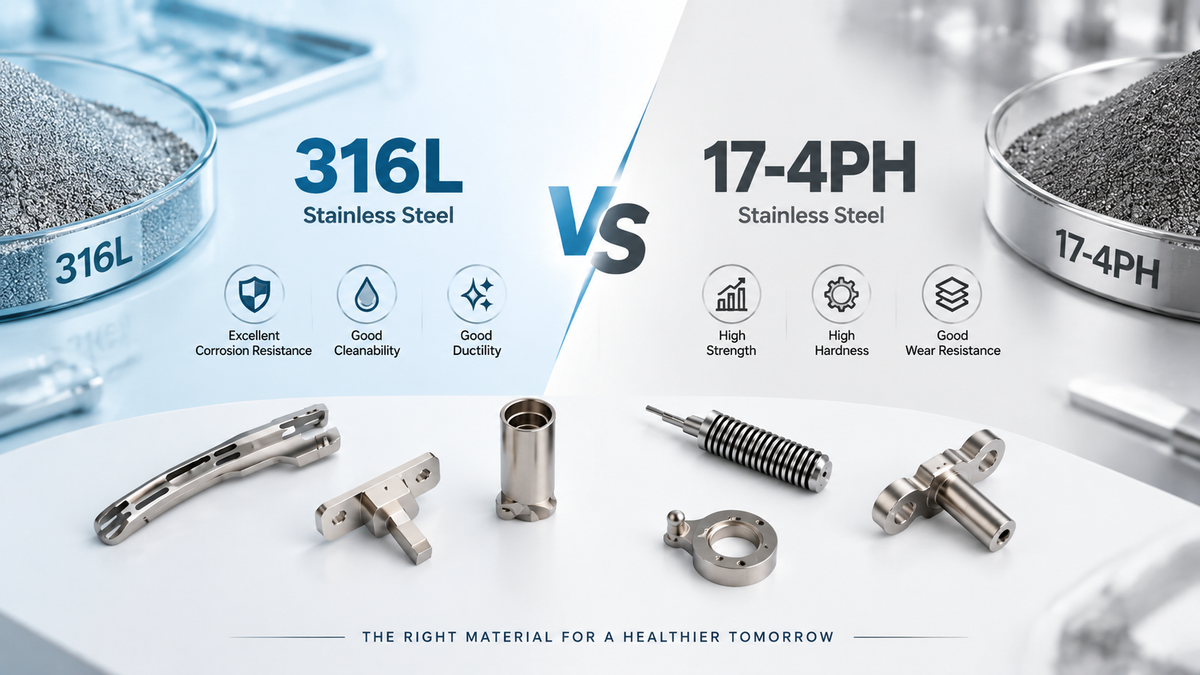
Material: acero inoxidable 17-4PH
-
Densidad objetivo: ≥ 96,5%
-
Factor de contracción: ~15–18%
-
Control de tolerancia de sinterización: ±0,3%
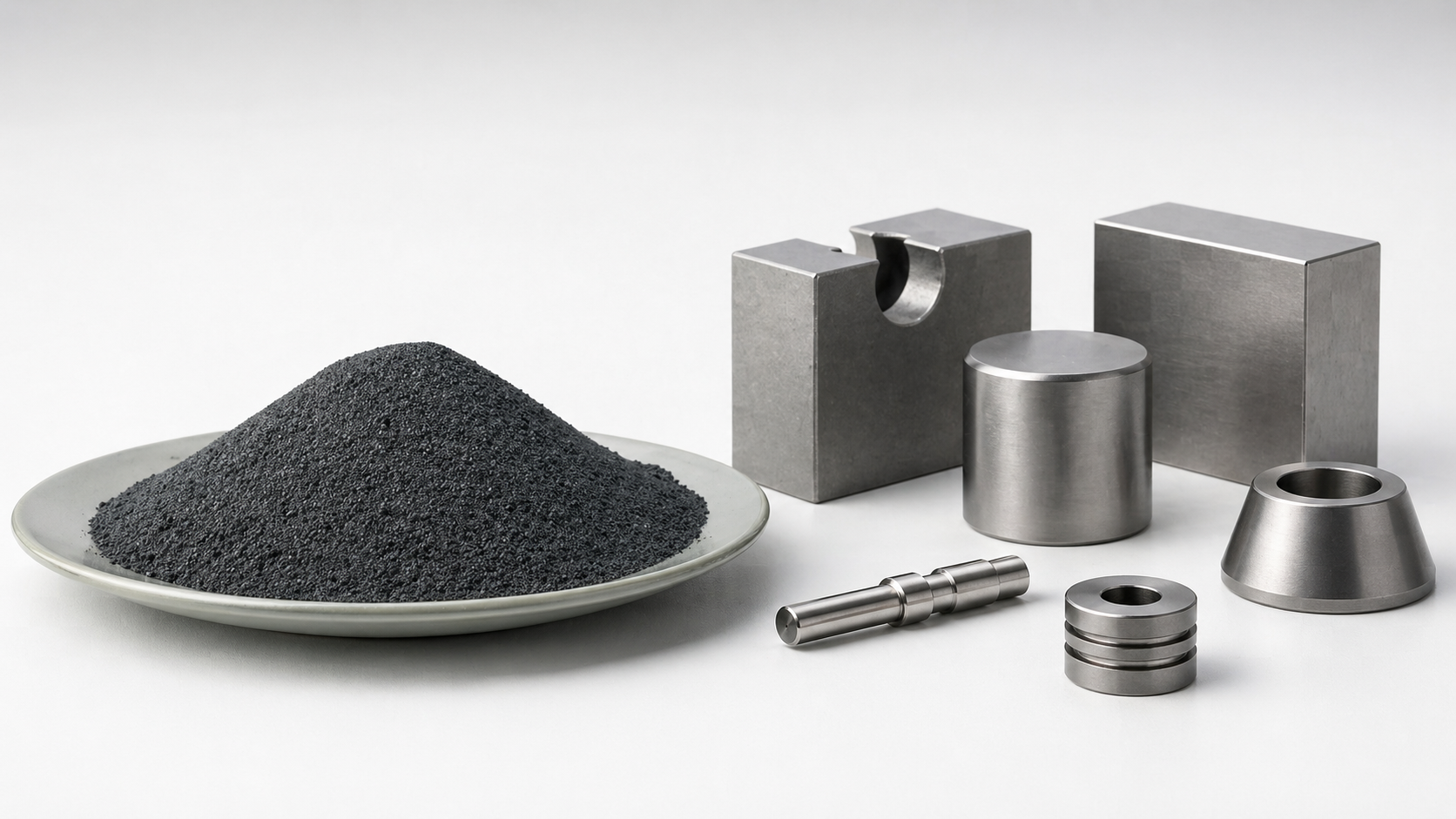
A diferencia de las empresas de fundición de metales convencionales, los proveedores de MIM deben controlar el tamaño de partícula del polvo, el sistema de aglutinante y el perfil de sinterización, todo lo cual afecta directamente el rendimiento final de la pieza.
Paso 2: Revisión de Diseño para MIM (DFM)
Antes del utillaje, realizamos una revisión completa de DFM específica para MIM:
-
Espesor de pared uniforme (±20%)
-
Esquinas internas redondeadas (R ≥ 0,2 mm)
-
Distribución equilibrada de la masa
-
Ubicación de la entrada optimizada para el flujo de polvo
Muchos compradores se acercan a empresas de fundición de metales con planos no optimizados para MIM.
Un DFM temprano es fundamental para el éxito.
Paso 3: Control de herramientas y moldeo
La herramienta MIM fue diseñada para tener en cuenta:
-
Contracción isotrópica
-
Alineación de puntos de referencia críticos
-
Control de la huella de la compuerta
-
Balance de la fuerza de eyección
Durante la producción piloto:
-
Estudio dimensional de 30 piezas
-
Medición CMM de características CTQ
-
Seguimiento de peso y densidad
Este nivel de control es lo que separa a los proveedores fiables de MIM de las empresas genéricas de fundición de metales.
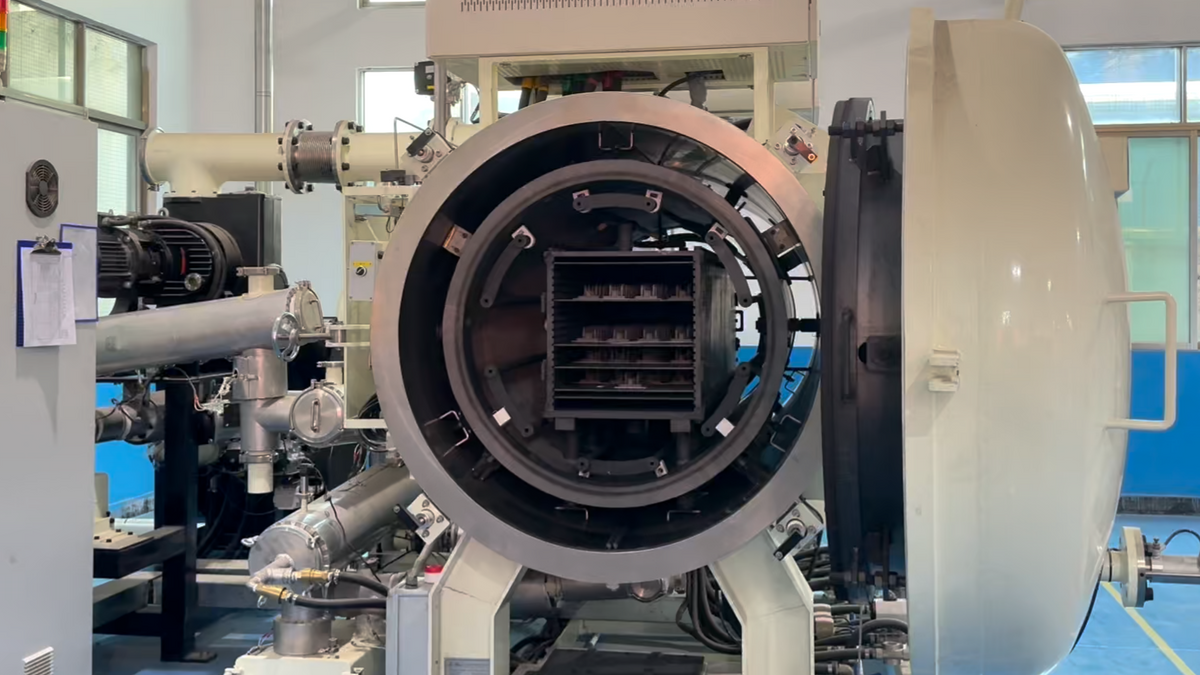
Paso 4: Gestión de desaglomerado y sinterización
La sinterización es donde el MIM realmente se diferencia.
Parámetros clave controlados:
-
Precisión de la curva de temperatura (±3 °C)
-
Control de la atmósfera (H₂ / N₂)
-
Estabilidad del tiempo de sinterización
-
Consistencia de carga del horno
Sin este control, incluso las empresas de fundición de metales experimentadas no pueden lograr resultados de MIM consistentes.
Resultados de producción
Después del SOP:
-
CPK dimensional ≥ 1,67 en todas las CTQ
-
Mecanizado secundario reducido en un 85%
-
Variación entre piezas < ±0,02 mm
-
Producción mensual estable de más de 10.000 unidades
Esta es la razón por la que los compradores evalúan cada vez más a las empresas de fundición de metales con capacidad MIM en lugar de solo la fundición tradicional.
Cómo evaluar las empresas de fundición de metales que ofrecen MIM
Al buscar empresas de fundición de metales para piezas metálicas complejas, considere estos factores específicos de MIM:
Capacidad técnica
-
Desaglomerado y sinterización internos
-
Experiencia en pulvimetalurgia
-
Base de datos de materiales (SS, baja aleación, acero para herramientas)
Control de procesos
-
Método de predicción de la contracción
-
Sistema de medición de densidad
-
SPC durante el moldeo y la sinterización
Garantía de calidad
-
Inspección CMM
-
Análisis metalográfico
-
Validación de propiedades mecánicas
No todas las empresas de fundición de metales están preparadas para estos requisitos.
Malentendidos comunes
-
"El MIM es solo fundición pequeña"
→ El MIM es pulvimetalurgia, no fundición. -
"Cualquier proveedor de fundición puede hacer MIM"
→ El MIM requiere herramientas, hornos y experiencia diferentes. -
"La tolerancia MIM es holgada"
→ El MIM correctamente controlado rivaliza con las piezas mecanizadas.
Comprender estos puntos ayuda a los compradores a elegir las empresas de fundición de metales adecuadas con verdadera capacidad MIM.

Por qué el MIM es el futuro para piezas metálicas complejas
A medida que los diseños de productos se vuelven más pequeños y complejos, muchas empresas de fundición de metales tradicionales enfrentan limitaciones.
El MIM permite:
-
Producción de alto volumen
-
Piezas casi a la medida
-
Características internas complejas
-
Menor coste total de propiedad
Para aplicaciones médicas, electrónicas, automotrices e industriales, el MIM es cada vez más la solución preferida.
Reflexiones finales
Cuando los compradores buscan empresas de fundición de metales, la necesidad real es a menudo precisión, repetibilidad y escalabilidad.
El moldeo por inyección de metales satisface estas necesidades donde la fundición tradicional no puede.
Trabajar con empresas de fundición de metales que realmente entienden el MIM —desde el polvo hasta la sinterización— es la clave para el éxito de la producción a largo plazo.
Compartir:
Más allá de los fórceps: un pacto de confianza forjado para desbloquear calidez y precisión en la colaboración médica
La "velocidad china" en una visita transnacional: los hechos hablan más que las palabras