

Knowledge
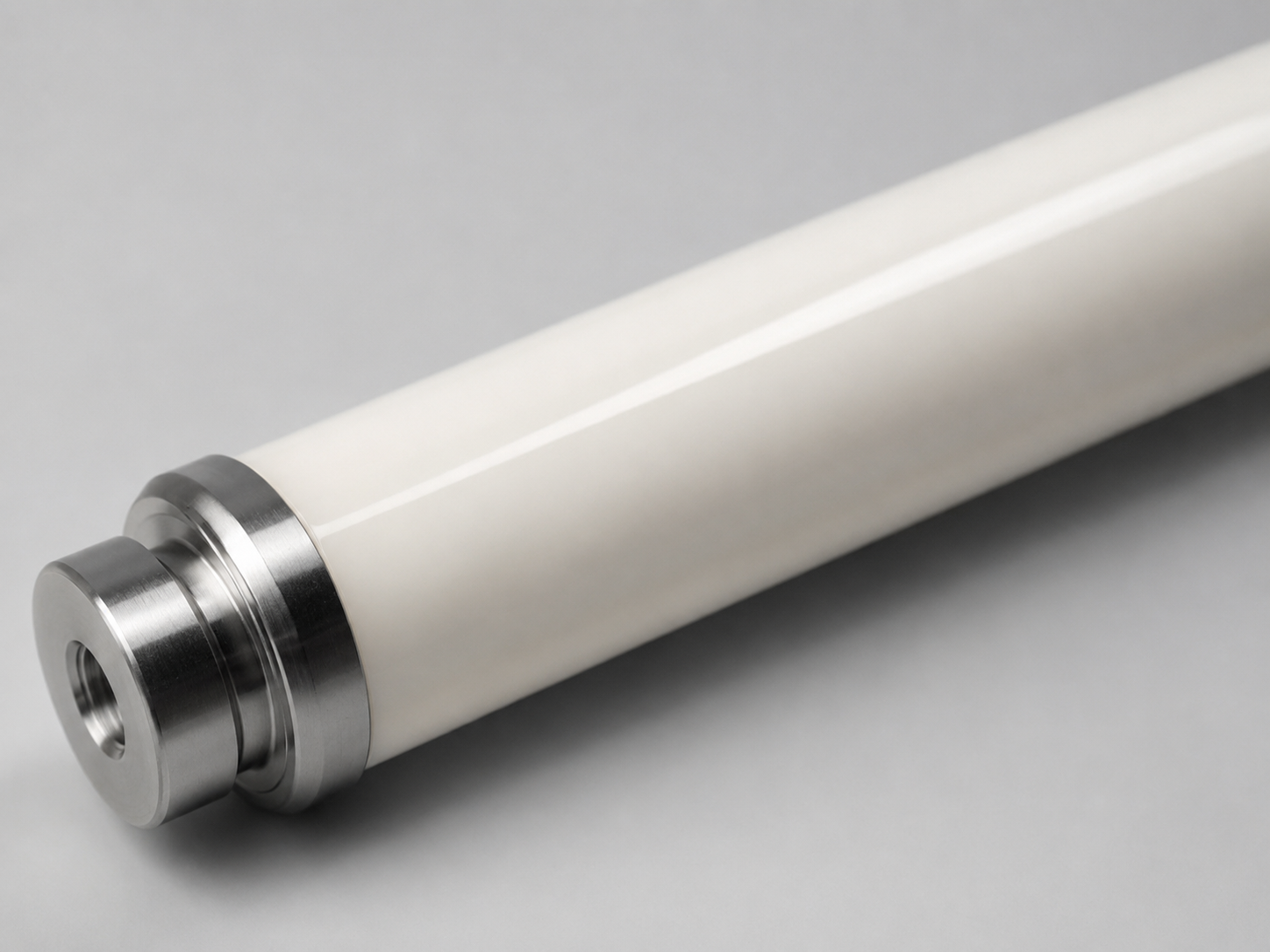
Ceramic Plunger Sleeve Assembly for Metering Pumps | Selection Manufacturing Guide
Focusing on metering pump leakage, unstable flow and rapid wear issues, this guide introduces custom ceramic plunger sleeve assemblies. It covers material comparison, plunger-sleeve clearance design, matched manufacturing benefits, key precision specifications, typical applications and common sourcing errors, offering technical support for new equipment development and metal plunger upgrading.
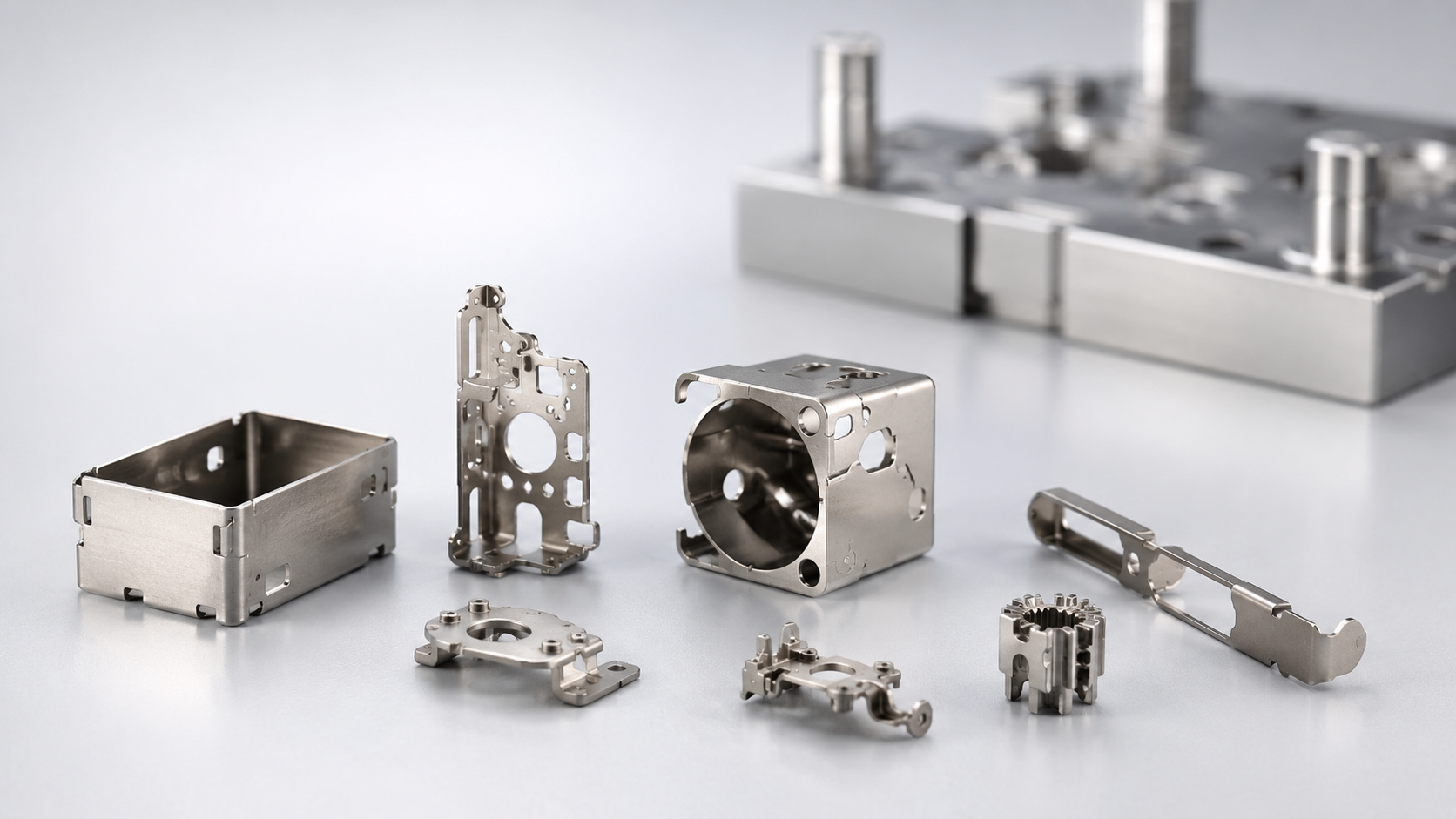
Small Precision Thin Wall Metal Injection Moulding for Complex Parts
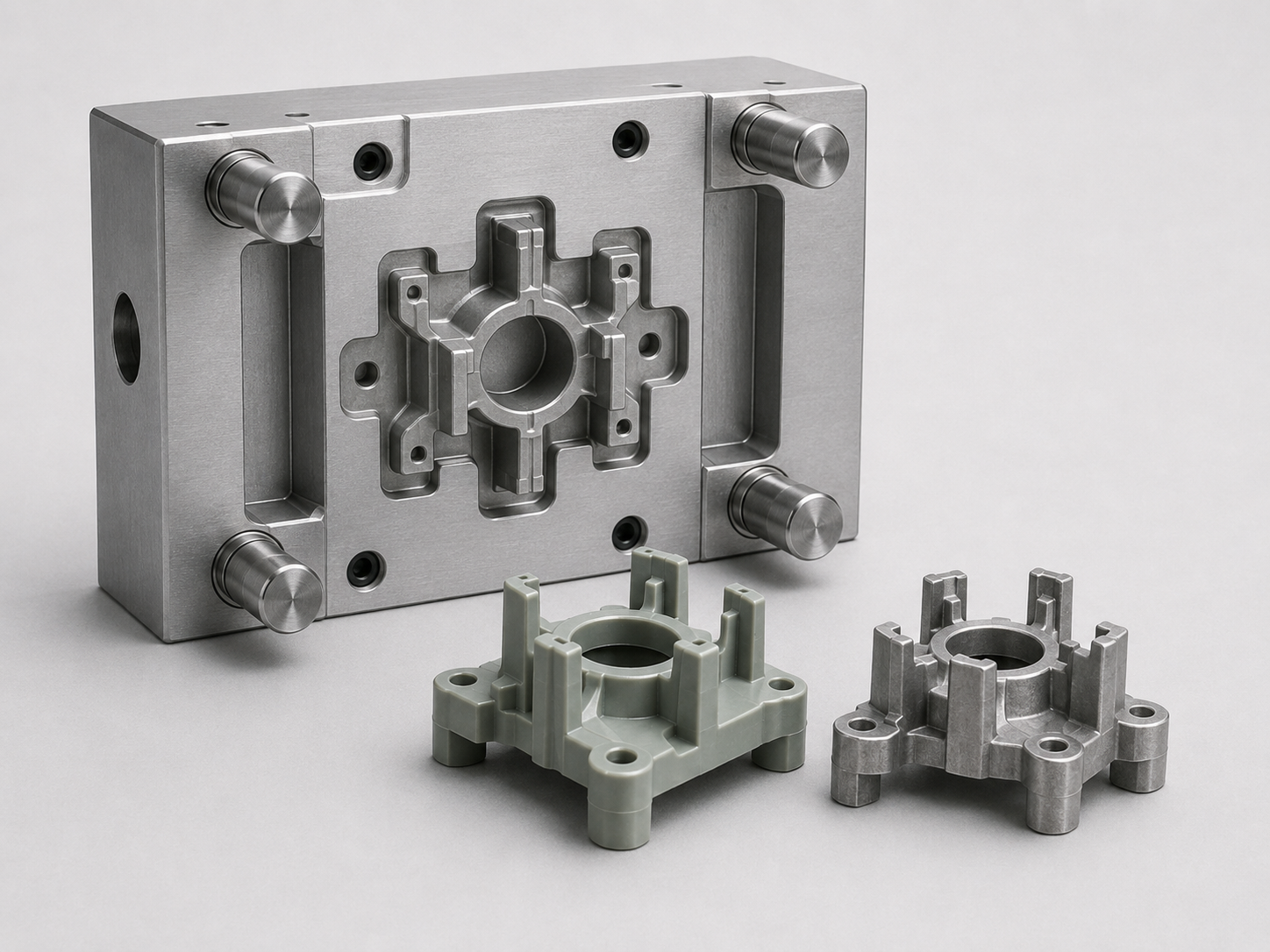
Reduce MIM Tooling Risks with DFM and Shrinkage Compensation
Learn how DFM and MIM mold shrinkage compensation help reduce tooling changes, sintering deformation, and dimensional risks before mass production.
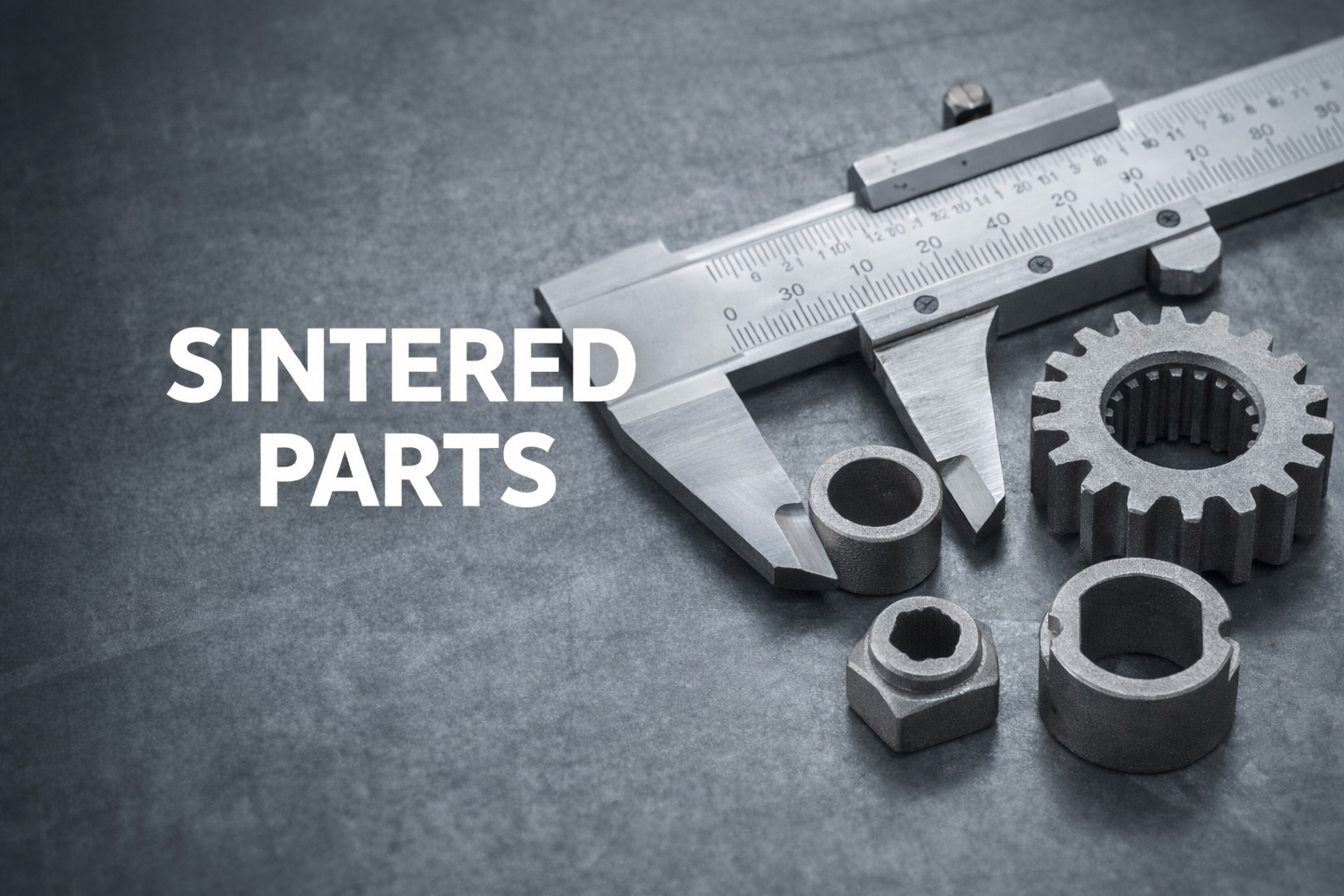
How the Sintering Process in Metallurgy Shapes Final Part Performance

Metal Injection Molding(MIM) for Smart Wearables: Smaller Parts, Stronger Designs
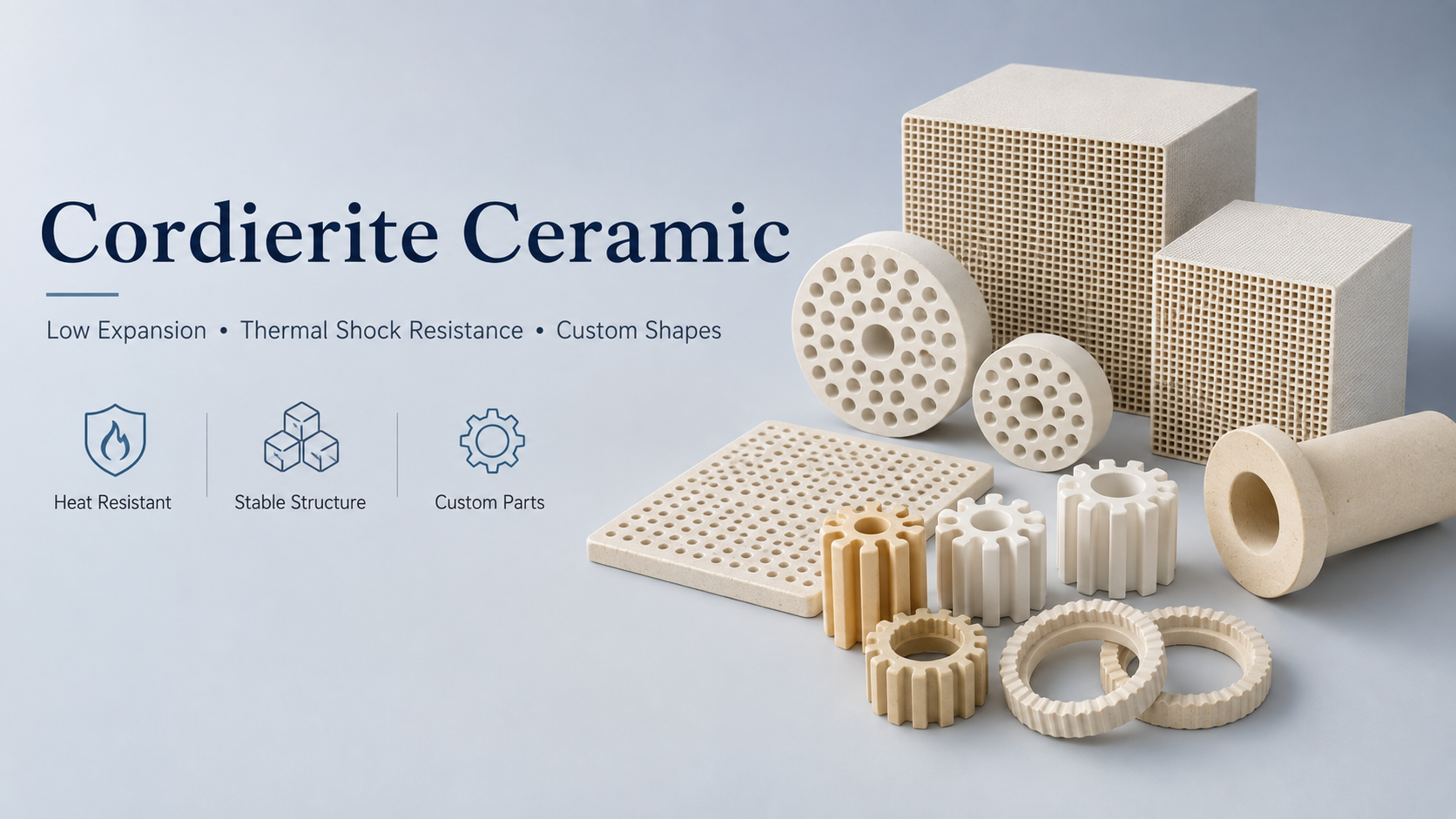
Understanding Cordierite Ceramic from Material Properties to Custom Parts
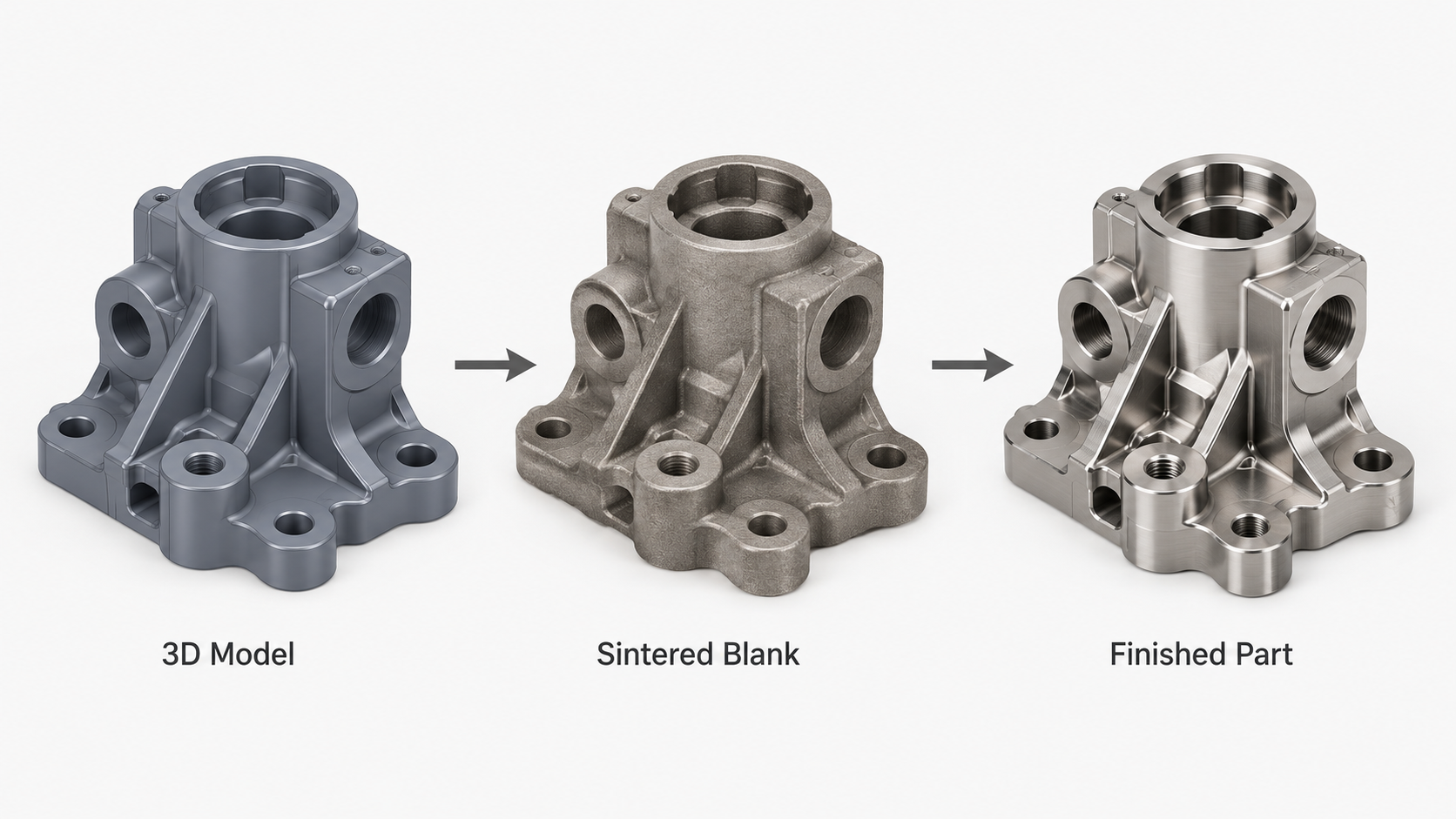
Metal Powder Compaction and MIM Manufacturing for Complex Metal Parts
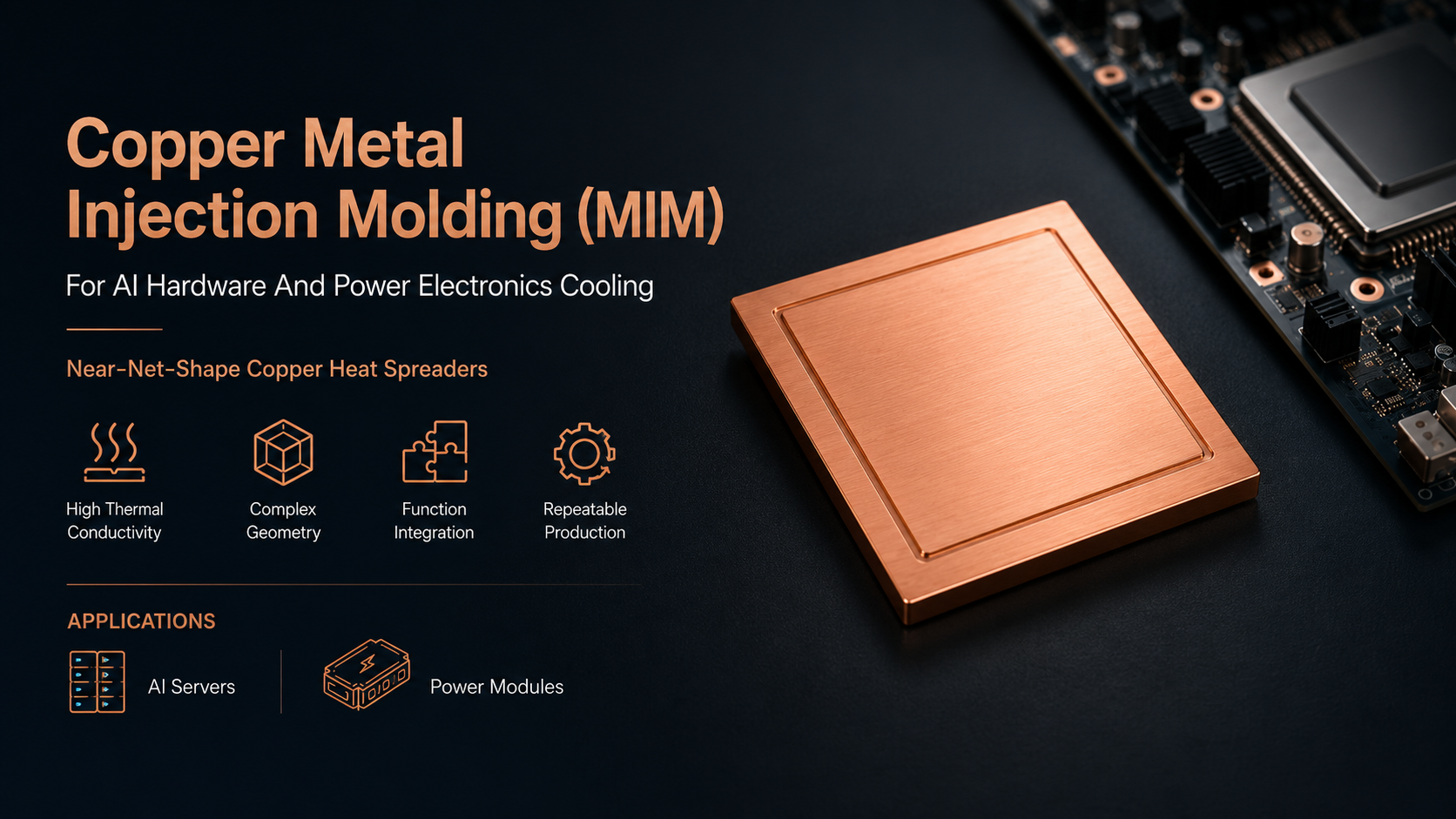
Copper Metal Injection Molding (MIM) for AI Hardware and Power Electronics Cooling
Read this article for everything you want to know about copper MIM. Even better, XY-GLOBAL will share the real-world case study with you. Send your copper MIM part drawing, and our skilled engineering team will provide you with free, professional DFM evaluation and cost-saving advice tailored to your project.
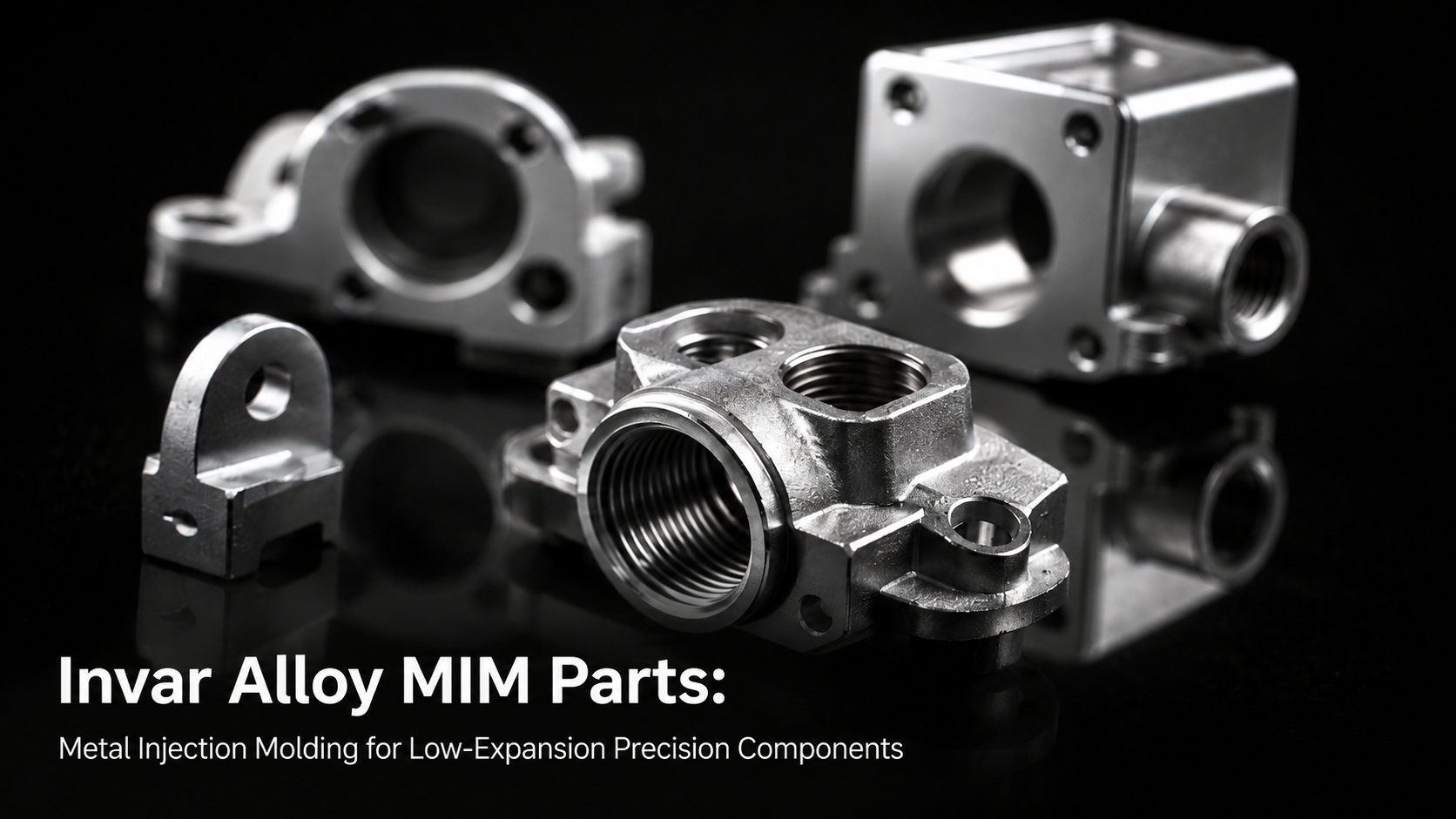
Invar Alloy MIM Parts: Metal Injection Molding for Low-Expansion Precision Components
This article explains what Invar (FeNi36) alloy is and why its near-zero coefficient of thermal expansion makes it essential for optical, aerospace, semiconductor, and precision instrument components. It covers whether and how Invar can be metal injection molded, the process flow and sintering challenges specific to this nickel-iron alloy, typical applications, and design guidelines. The target reader is a design engineer, R&D lead, or procurement manager at an optics, semiconductor equipment, aerospace, or precision instrumentation company evaluating MIM as a production route for Invar components.