


Che cos'è la lucidatura dello stampaggio a iniezione dei metalli?
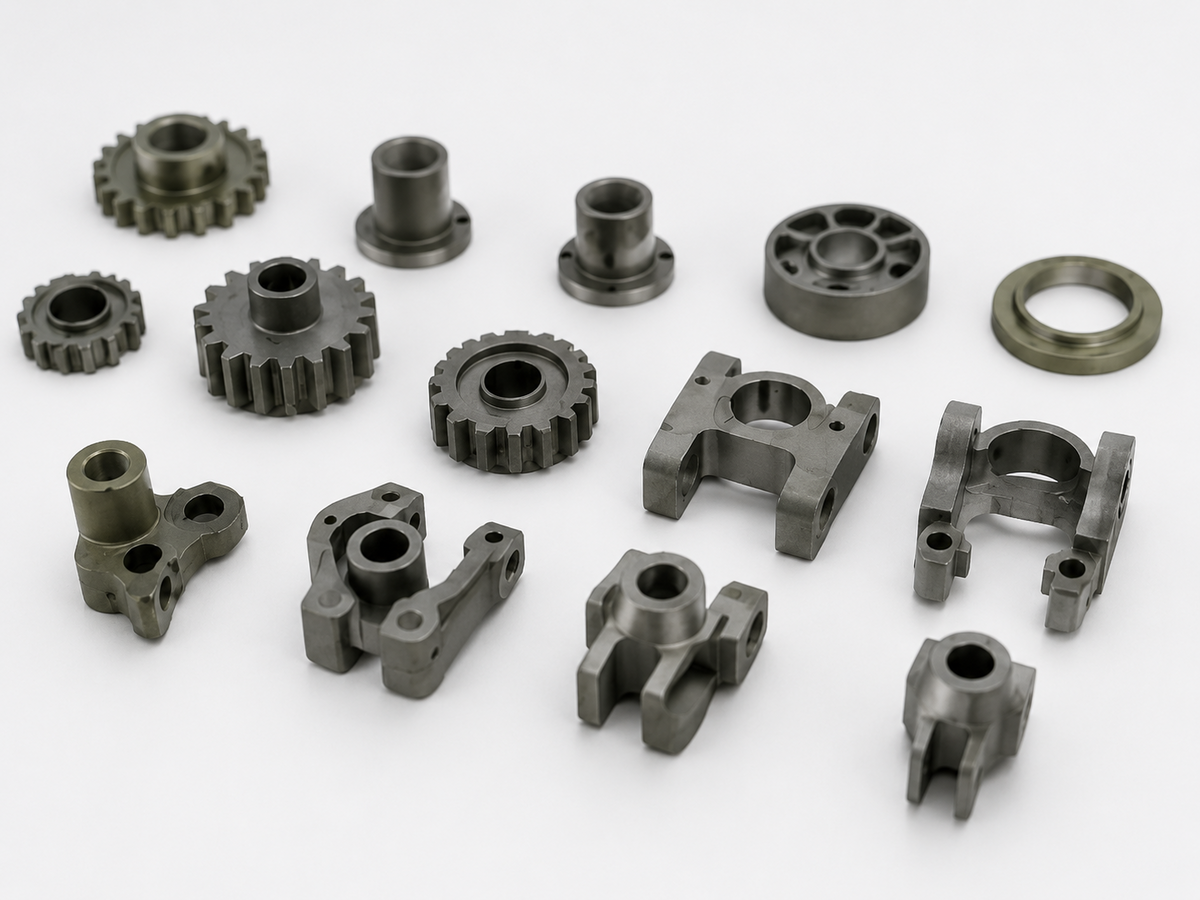
Lo stampaggio a iniezione dei metalli (MIM) è un processo articolato in più fasi, dalla preparazione della materia prima e dallo stampaggio a iniezione fino alla rimozione del legante e alla sinterizzazione, seguito da post-lavorazioni. La lucidatura dello stampaggio a iniezione dei metalli avviene subito dopo la sinterizzazione. È una fase di finitura secondaria progettata per eliminare i pori microscopici e le cavità da ritiro lasciati dal forno. In parole semplici, mentre lo stampaggio dà al componente la sua forma, la lucidatura gli dà la sua anima, trasformando un "componente ingegnerizzato" in un capolavoro "di qualità consumer".
Secondo i dati interni dei principali stabilimenti, oltre l'80% dei componenti MIM viene sottoposto a qualche forma di lucidatura, soprattutto nei settori dell'elettronica 3C, dell'orologeria e dei dispositivi medici, dove anche la minima imperfezione è inaccettabile.
Perché la lucidatura è essenziale per MIM Componenti?
-
Miglioramento visivo e tattile: Elimina cavità, segni degli utensili e bordi affilati, rendendo il componente più sicuro e confortevole da maneggiare.
-
Miglioramento funzionale: Riduce drasticamente il coefficiente di attrito. Per i componenti scorrevoli, ciò può raddoppiare efficacemente la durata utile.
-
Una base per ulteriori rivestimenti: Una superficie liscia è essenziale per il rivestimento PVD, l'anodizzazione o l'incisione laser. Senza una lucidatura adeguata, qualsiasi difetto superficiale verrà amplificato.

Materiali comuni per Stampaggio a iniezione dei metalli Lucidatura
-
Acciaio inossidabile (oltre il 60% del mercato):
-
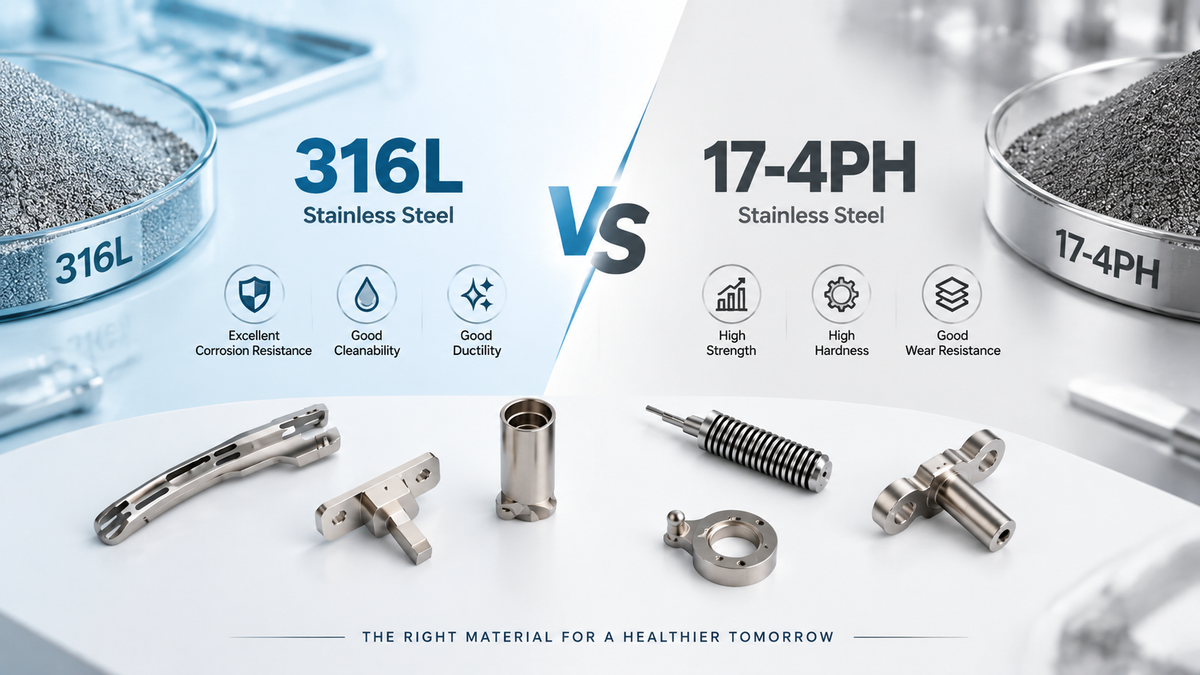
316L: La scelta principale per gli impianti medicali e le custodie degli auricolari TWS. La lucidatura crea una lucentezza a specchio duratura e contribuisce alla formazione di uno strato di passivazione di Cr₂O₃ per contrastare la corrosione.
-
17-4PH: Un materiale ad alta durezza (HRC 40-44) impiegato nei connettori aerospaziali e nelle fibbie degli orologi. La lucidatura può ridurre l'attrito del 25%.
-
-
Acciai per utensili e leghe ad alta durezza: come l'acciaio rapido M2. In questo caso, la lucidatura si concentra sulle superfici di accoppiamento per garantire un funzionamento meccanico fluido.
-
Leghe di titanio (Ti-6Al-4V): Fondamentali per impianti dentali e pale di turbine. La lucidatura chimica o elettrolitica garantisce una superficie sterile e biocompatibile con Ra 0.2μm.
Tipi di lucidatura mediante stampaggio a iniezione dei metalli
Lucidatura meccanica: la Precisione Finitura a specchio
- Vantaggi principali: Lucentezza superiore e controllo localizzato preciso. I test pratici indicano che i componenti MIM in acciaio inossidabile 316L possono ottenere un aumento del 300% della riflettività della luce, offrendo un substrato ideale per la placcatura PVD color oro rosa.
- Limiti tecnici: Il processo richiede tecnici altamente qualificati ed è meno efficace per cavità interne complesse o fori ciechi. Inoltre, l'elevata intensità di manodopera può incidere sull'efficienza dei costi della produzione in piccoli lotti.

Elettrolucidatura: finitura in grandi volumi per geometrie complesse
- Vantaggi principali: Includono l'uniformità su tutta la superficie di facce esterne, filettature interne e fori, con un'elevata automazione grazie al trattamento in vasca a immersione, in grado di gestire 100.000 pezzi per lotto. La validazione in fabbrica su componenti in 17-4PH estende la resistenza alla nebbia salina da 48 a 168 ore.
- Limiti tecnici: Specifico per il materiale (solo acciaio inossidabile/titanio); la manipolazione di elettroliti tossici richiede una certificazione ambientale e l'investimento nelle attrezzature è di circa 70.000 $.
Lavorazione a flusso abrasivo (AFM): rifinitura delle geometrie interne
- Vantaggi principali: Consente di raggiungere percorsi di flusso tortuosi e fori trasversali, come quelli interni delle ruote Mecanum. I test aeronautici mostrano che gli ugelli MIM in Ti-6Al-4V, dopo l'AFM, ottengono una riduzione del 22% della resistenza al flusso e un miglioramento del 35% della durata a fatica.
- Limiti tecnici: Costi elevati (2-7 $/pezzo), parametri estremamente sensibili (viscosità, pressione, temperatura) e lunghi tempi di configurazione.
Finitura vibratoria/a botte: sbavatura di massa conveniente
- Vantaggi principali: Eccezionale convenienza, con costi di lavorazione compresi tra 0,03 e 0,12 $ per pezzo. Il processo supporta una produttività elevata e può gestire lotti da 50 kg durante turni di 24 ore. Casi di studio industriali nel settore dell'elettronica di consumo mostrano che le staffe in acciaio inossidabile per auricolari TWS raggiungono una rimozione delle bave del 99,8%, risultando completamente pronte per l'assemblaggio.
- Limiti tecnici: Questo metodo non è in grado di produrre una vera finitura a specchio; i componenti che richiedono superfici estetiche ad alta precisione necessitano di una successiva lucidatura manuale.
Lucidatura magnetica: alta efficienza Precisione Pulizia
- Vantaggi principali: Finitura senza contatto e senza tensioni, perfetta per pezzi in 17-4PH temprati a HRC>40; lavorazione di 5.000 pezzi/ora. Validazione medicale: gli stent cardiovascolari raggiungono gli standard delle camere bianche chirurgiche senza particelle residue.
- Limitazioni tecniche: solo rifinitura leggera e pulizia: le superfici molto grezze richiedono prima una pre-lavorazione mediante vibrofinitura.
Lucidatura dello stampaggio a iniezione di metalli: risoluzione dei problemi e soluzioni
| Difetto | Causa principale | Soluzione immediata | Misura preventiva |
| Buccia d'arancia | Pressione eccessiva; bassa densità di sinterizzazione. | Riduci a 2N; rielabora con grana 400; ottimizza la sinterizzazione. | Verifica che la densità post-sinterizzazione sia >97%. |
| Graffi residui | Salto delle fasi di granulometria; contaminazione del mezzo abrasivo. | Riprendi la sequenza dalla grana 100 alla grana 3000; usa la pulizia a ultrasuoni. | Piano rigoroso dalla grana grossa a quella fine. |
| Ingiallimento della superficie | Ossidazione post-lucidatura; assenza di passivazione. | Elettrolucidatura di 20 minuti per formare una pellicola di Cr₂O₃ . | Passiva entro 4 ore dalla lucidatura. |
| Inconsistenza della superficie | Variazione della durezza; tracce di legante. | Ricottura (650°C/2h); classifica i lotti in base alla durezza. | Controllo della consistenza della durezza del lotto. |
| Zone morte interne | Geometria inaccessibile. | Combina AFM (flusso abrasivo) e lucidatura magnetica. | Progetta gli stampi con accesso per la lucidatura. |
| Opacizzazione a specchio | Pasta diamantata deteriorata; umidità elevata. | Sostituisci con pasta W0.5; mantieni l'umidità <60%. | Conservazione ermetica; ispezioni settimanali. |
Segreti per una finitura impeccabile dei componenti MIM
Lucidatura dello stampaggio a iniezione di metalli rispetto alla lucidatura di pezzi CNC
La differenza fondamentale tra la lucidatura MIM e la lucidatura di pezzi CNC risiede nella condizione del materiale di base e nella difficoltà di lavorazione.
| Confronto | Lucidatura MIM | Lucidatura CNC |
|---|---|---|
| Condizione di base | Superficie sinterizzata porosa (Ra 0.8-1.6μm) | Superficie lavorata pulita (Ra 0.4-0.8μm) |
| Difficoltà di lavorazione | Elevata (pulizia dei pori + segni di rimozione del legante) | Bassa (buona superficie di base) |
| Difficoltà di ottenere una finitura a specchio | Medio (richiede pretrattamento + più fasi) | Facile (lucidatura fine diretta) |
| Costo del lotto | Vantaggio della vibrofinitura ($0.07-0.28/pezzo) | Costo elevato per pezzo ($0.42-1.12/pezzo) |
| Volume ottimale | Volume medio-alto (>1K pezzi) | Basso volume (<500 pezzi) |
Perché XY-GLOBAL è eccezionale: Il tuo Tutto-in-uno Precisione Partner
Domande frequenti sulla lucidatura dello stampaggio a iniezione dei metalli (MIM):
1. I componenti MIM possono ottenere una "finitura a specchio"?
2. La lucidatura influisce sulla precisione dimensionale dei componenti MIM?
3. Quali trattamenti superficiali secondari sono disponibili dopo la lucidatura?
-
Estetica premium: lucidatura + rivestimento PVD (oro TiN, DLC o oro rosa).
-
Brillantezza decorativa: lucidatura + elettrodeposizione nichel-cromo.
-
Componenti funzionali: lucidatura vibratoria + incisione laser.
-
Resistenza alla corrosione: elettrolucidatura + passivazione (essenziale per 316L/17-4PH).
4. Come posso ridurre i costi di lucidatura per ordini MIM ad alto volume?
-
Ottimizzare la sinterizzazione: ottenere la migliore finitura possibile "dopo la sinterizzazione" per ridurre il tempo necessario nel vibrofinitore.
-
Lavorazione in lotti: per la produzione di massa, utilizzare la finitura centrifuga o vibratoria anziché il lavoro manuale.
-
Progettazione per la finitura: evitare incavi profondi e stretti o spigoli interni vivi, difficili da raggiungere per i materiali abrasivi di lucidatura.
Condividi:
Applicazione dello stampaggio a iniezione della ceramica: una guida completa alle soluzioni industriali
Come il MIM può ridurre i costi di produzione dei componenti complessi