

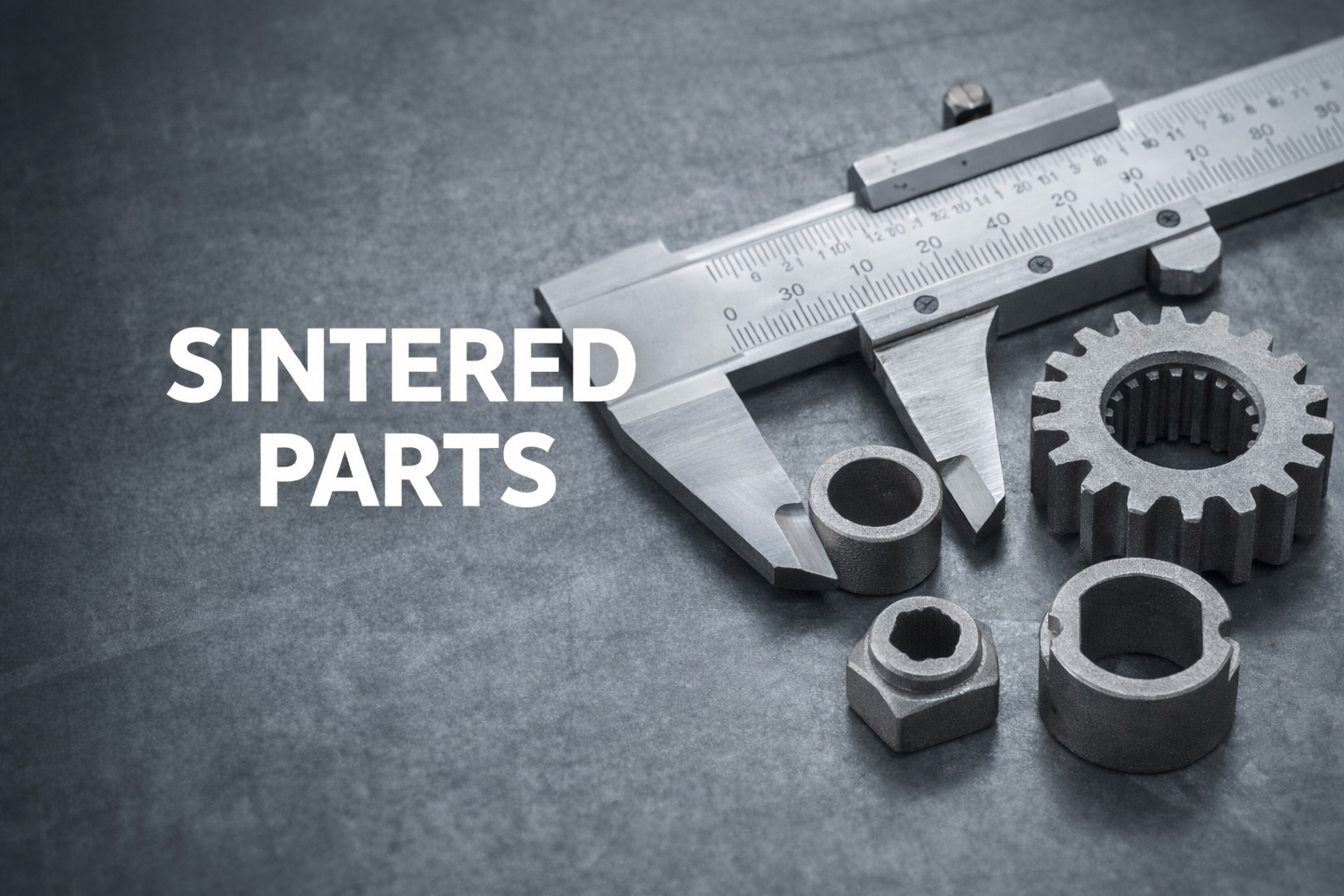
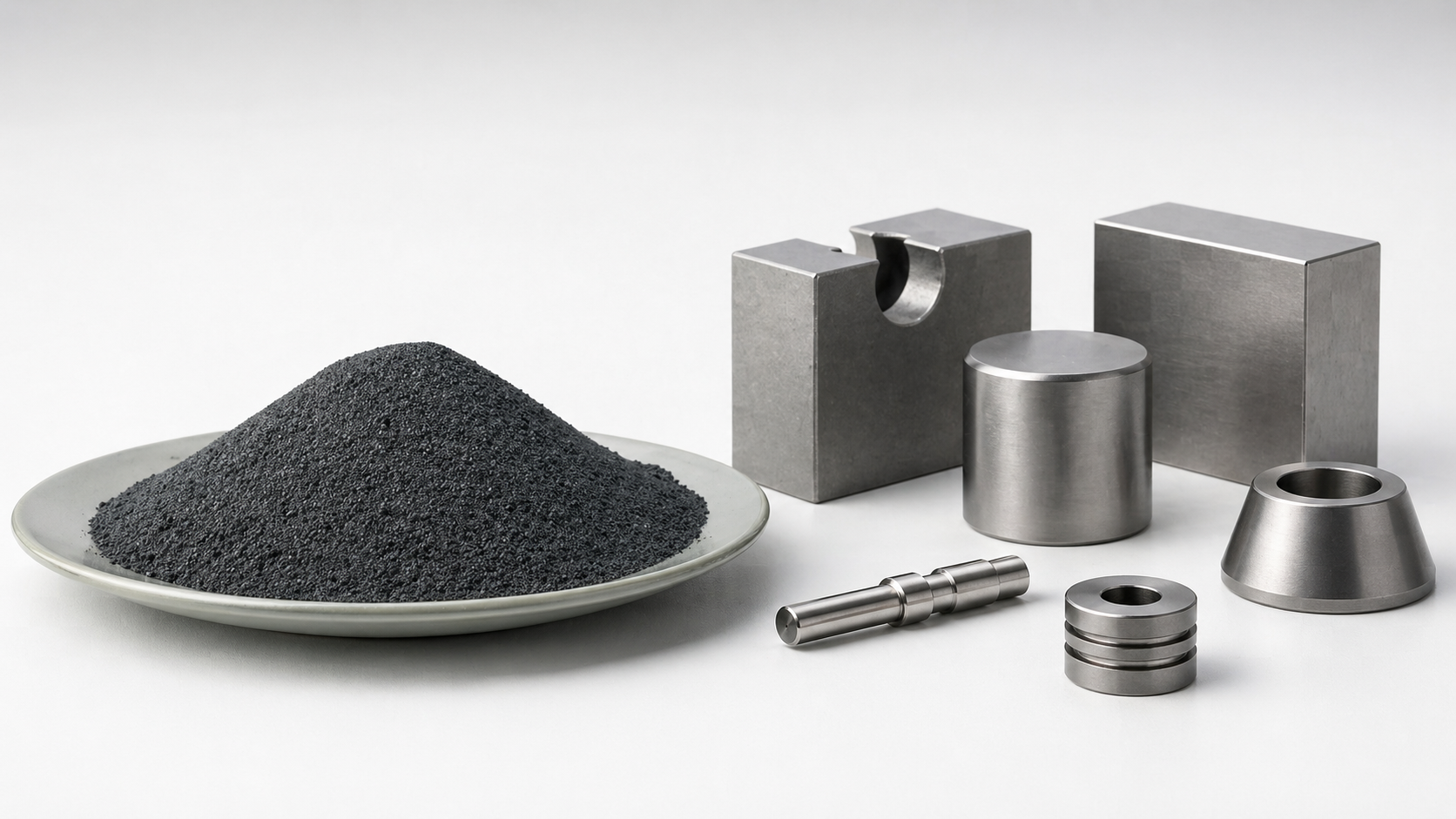
Процесс спекания в металлургии превращает уплотненный металлический порошок в прочный, плотный компонент путем нагрева ниже точки плавления материала. Во время нагрева частицы металла связываются посредством диффузии, уменьшая пористость и увеличивая механическую прочность.
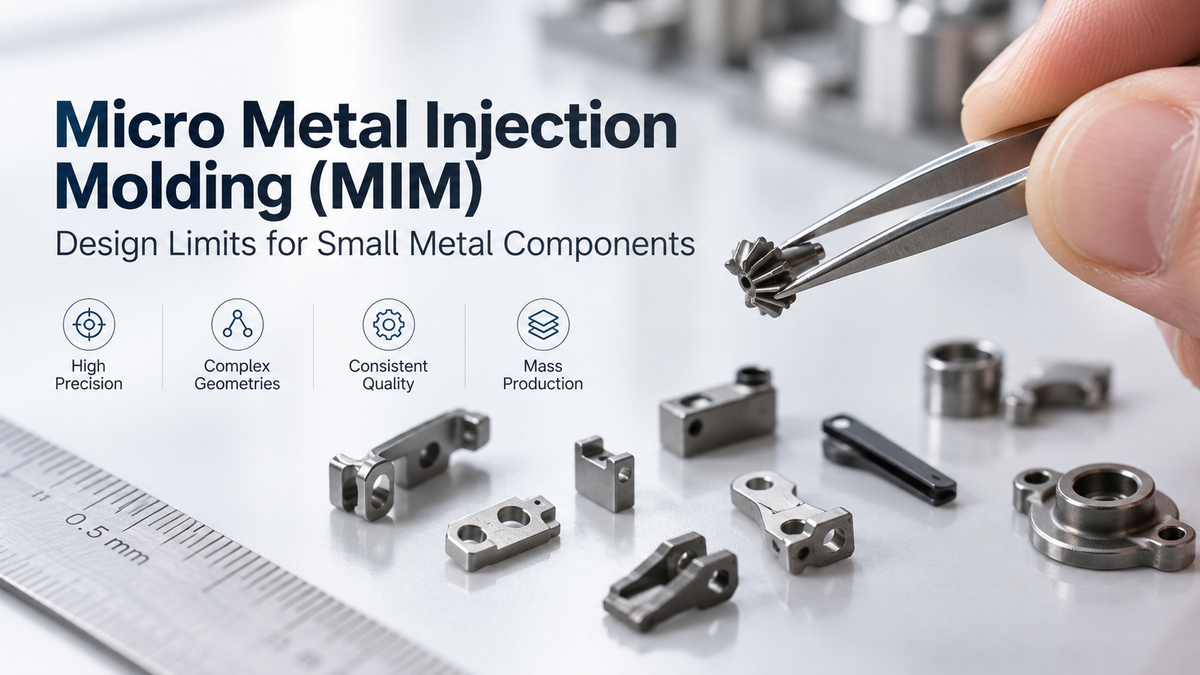
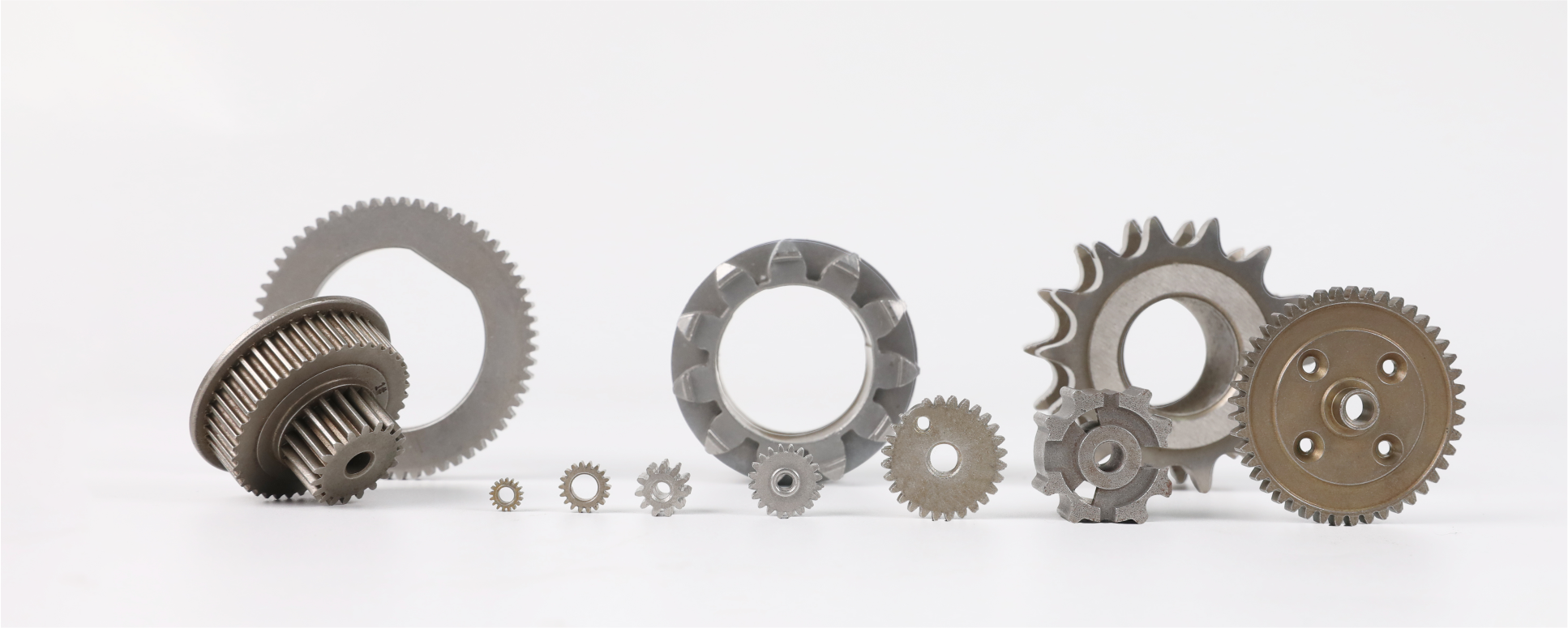
Спекание широко используется в порошковой металлургии, литье металлов под давлением, для изготовления фильтров, шестерен, втулок, конструкционных деталей и небольших прецизионных компонентов.
Как работает процесс спекания
Типичный производственный цикл включает пять основных этапов:
-
Подготовка порошка
Металлический порошок выбирается в соответствии с требуемой прочностью, коррозионной стойкостью, твердостью и стоимостью. -
Формование
Порошок прессуется в матрице или формируется посредством литья под давлением. -
Удаление связующего
Для деталей, изготовленных методом MIM, большая часть связующего должна быть удалена перед спеканием. -
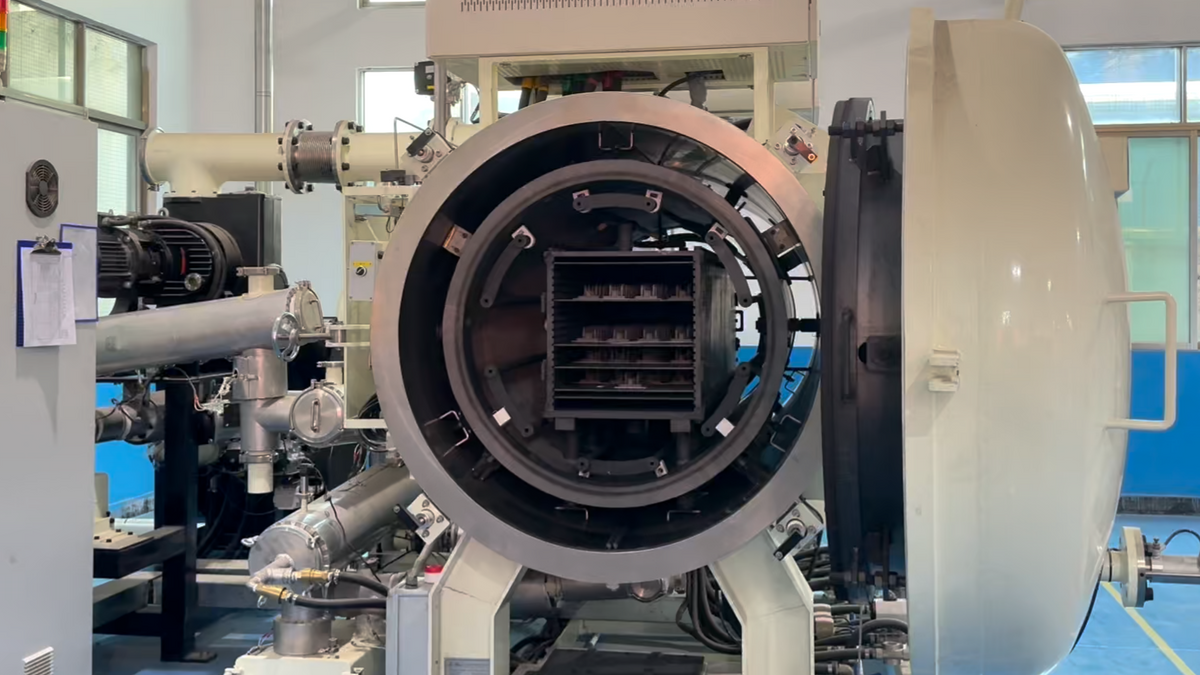
Спекание
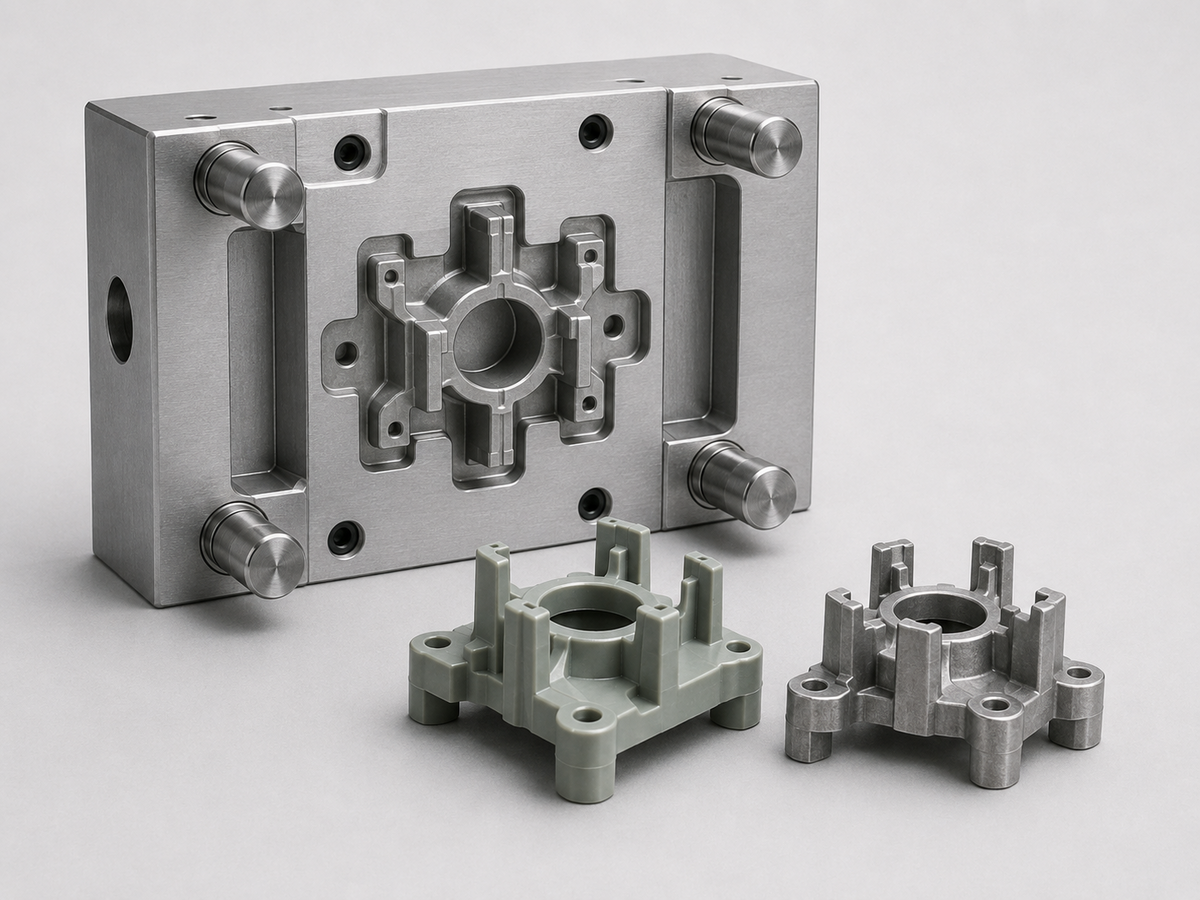
Сформованная деталь нагревается в контролируемой печи. Частицы связываются друг с другом, поры становятся меньше, и деталь сжимается до своей конечной плотности. -
Вторичная обработка
При необходимости могут быть добавлены механическая обработка, термообработка, шлифовка, полировка, нанесение покрытия или калибровка размеров.

Что происходит во время спекания?
Деталь обычно не плавится полностью. Вместо этого атомы перемещаются по контактным областям между соседними частицами.
По мере продолжения спекания:
- Контактные площади частиц увеличиваются
- Внутренние поры становятся меньше
- Плотность увеличивается
- Прочность и твердость улучшаются
- Компонент подвергается предсказуемой усадке
Усадка особенно важна для компонентов MIM. Размеры инструмента должны компенсировать уменьшение размеров, которое происходит во время удаления связующего и спекания.
Ключевые параметры спекания
Несколько переменных процесса напрямую влияют на конечную деталь.
| Параметр | Влияние на деталь |
|---|---|
| Температура | Влияет на диффузию, плотность, рост зерен и прочность |
| Время выдержки | Контролирует продолжительность связывания частиц |
| Скорость нагрева | Влияет на удаление связующего и термические напряжения |
| Атмосфера в печи | Предотвращает окисление и контролирует химический состав материала |
| Размер порошка | Влияет на плотность упаковки, качество поверхности и усадку |
| Зеленая плотность | Влияет на конечную плотность и стабильность размеров |
Более высокие температуры могут улучшить уплотнение, но чрезмерный нагрев может вызвать деформацию, рост зерен или потерю размеров.

Распространенные дефекты спекания
Плохой контроль процесса спекания может привести к:
- Неравномерной усадке
- Деформации или провисанию
- Трещинам
- Остаточной пористости
- Окислению
- Низкой плотности
- Размерным вариациям
- Загрязнению поверхности
Тонкие стенки, большие изменения толщины, неподдерживаемые элементы и неравномерное распределение порошка увеличивают риск деформации.
Для деталей MIM необходимо рассматривать процессы удаления связующего и спекания совместно. Неполное удаление связующего может вызвать образование пузырей, трещин или загрязнение углеродом.
Обычно используемые материалы
Процесс спекания в металлургии может применяться ко многим материалам, включая:
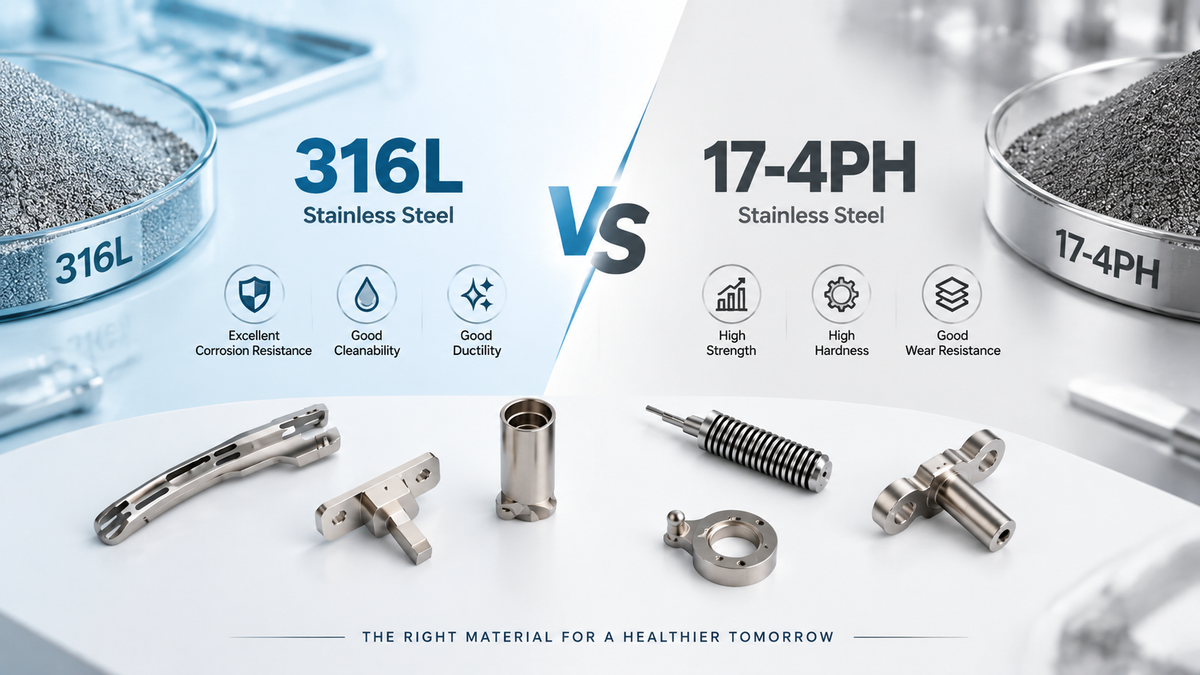
- Нержавеющую сталь
- Низколегированную сталь
- Инструментальную сталь
- Медные сплавы
- Никелевые сплавы
- Титановые сплавы
- Материалы на основе вольфрама
Каждый материал требует соответствующей температуры печи, атмосферы, профиля нагрева и метода охлаждения.
Сравнение спекания и обработки на станках с ЧПУ
Спекание подходит для небольших или сложных деталей, которые потребовали бы значительной механической обработки из цельного материала.
Оно предлагает такие преимущества, как:
- Высокое использование материала
- Повторяемое серийное производство
- Сложная геометрия
- Сокращение времени обработки
- Экономичное производство в больших объемах
Однако обработка на станках с ЧПУ может быть предпочтительнее для прототипов, малых партий, очень жестких локальных допусков или крупных компонентов.
Во многих проектах наиболее практичным решением является спекание основной формы и последующая механическая обработка на станках с ЧПУ для критически важных отверстий, резьб, уплотняющих поверхностей или прецизионных интерфейсов.

Детали из спеченного металла от XY-GLOBAL
XY-GLOBAL поддерживает индивидуальные проекты по MIM и порошковой металлургии от инженерного анализа до производства.
Наша команда может оценить:
- Выбор материала
- Геометрию детали
- Толщину стенок
- Компенсацию усадки
- Риски удаления связующего и спекания
- Требования к вторичной обработке
- Отделку поверхности
- Критические размеры для контроля
Присылайте нам свои 2D-чертежи, 3D-модели, требования к материалам и ориентировочные объемы для производственного анализа.

Делиться:
Литье металлов под давлением (MIM) для умных носимых устройств: компактные детали, прочные конструкции
Снижение рисков оснастки MIM с помощью DFM и компенсации усадки