

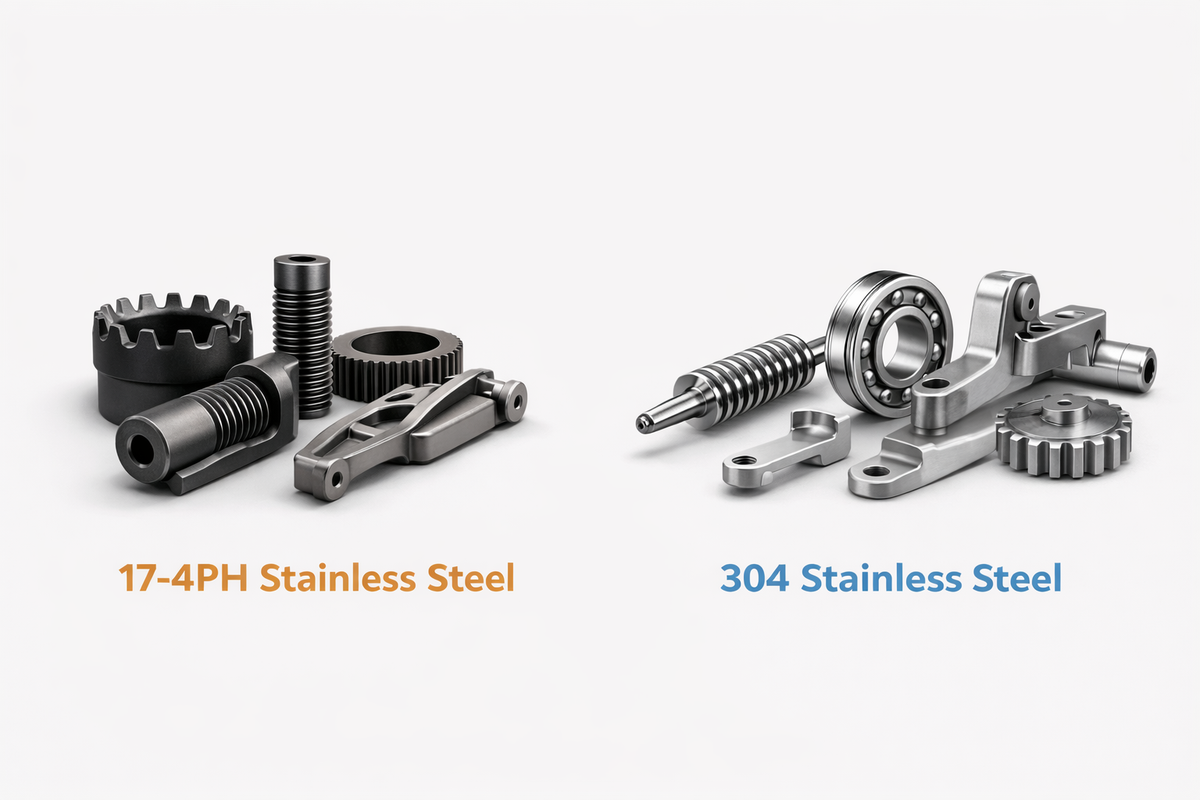
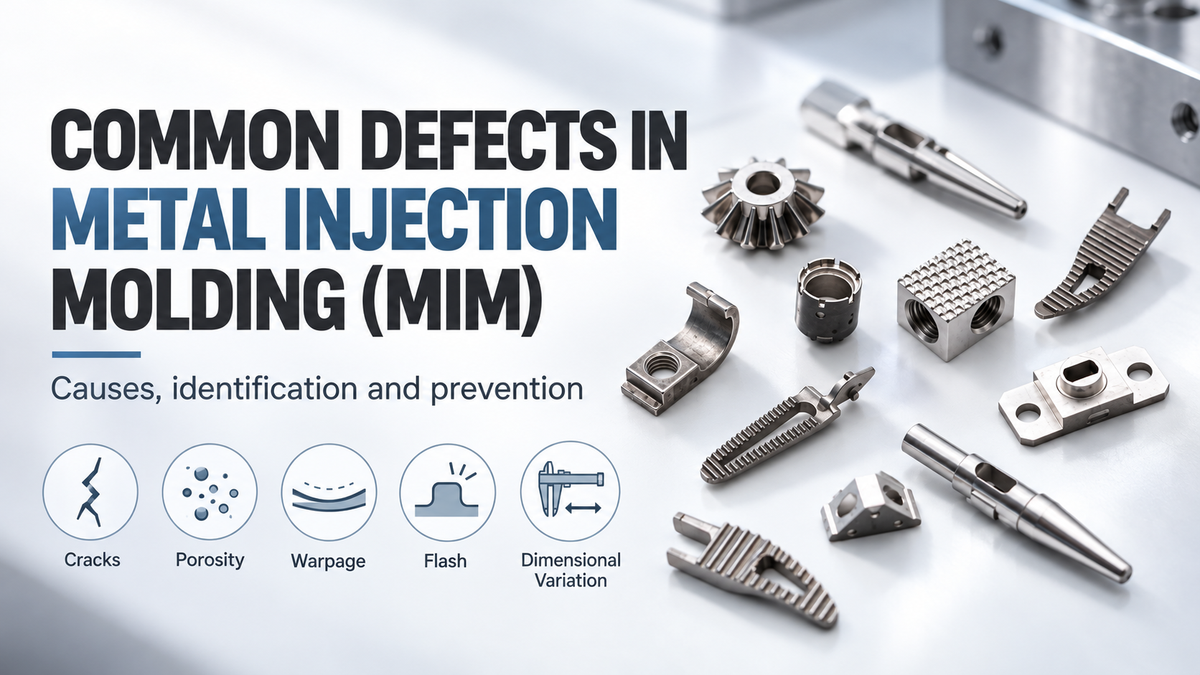
Metal injection molding (MIM) is an efficient manufacturing method for producing small, complex metal components in medium to high volumes. However, metal injection molding cost per part depends on much more than material weight.
Tooling investment, production quantity, sintering, and secondary machining all affect the final price. Understanding these factors helps manufacturers determine whether MIM is more economical than CNC machining or conventional powder metal manufacturing.
What Determines MIM Manufacturing Cost?
MIM combines metal powder injection molding with debinding and sintering. Each stage contributes to the final manufacturing cost.
| Cost Factor | Impact on Price |
|---|---|
| Tooling | Initial mold investment |
| Material | Stainless steel, titanium, or specialty alloys |
| Part Weight | Powder consumption and processing requirements |
| Production Volume | Tooling cost distributed across parts |
| Sintering | Furnace time, energy, and process control |
| Secondary Operations | CNC machining, polishing, heat treatment, and inspection |
Among these factors, production volume and part complexity often have the greatest influence on overall cost efficiency.

How Production Volume Affects MIM Cost
MIM requires dedicated tooling, making initial investment higher than CNC machining in many cases. However, once production begins, the cost per component can decrease significantly as volume increases.
Consider an illustrative example using a $12,000 mold.
| Total Production Volume | Tooling Cost Per Part |
|---|---|
| 1,000 pcs | $12.00 |
| 5,000 pcs | $2.40 |
| 20,000 pcs | $0.60 |
| 50,000 pcs | $0.24 |
These figures illustrate tooling amortization only. They exclude materials, molding, sintering, finishing, inspection, and other costs.
This explains why MIM is frequently considered for repeat production rather than small prototype orders.
MIM vs CNC Machining Cost
CNC machining is generally more practical for prototypes and low-volume production because it does not require dedicated injection molds.
MIM becomes attractive when the same complex metal component must be manufactured repeatedly.
For example, a stainless steel component with multiple grooves, small holes, and curved surfaces may require several CNC setups.
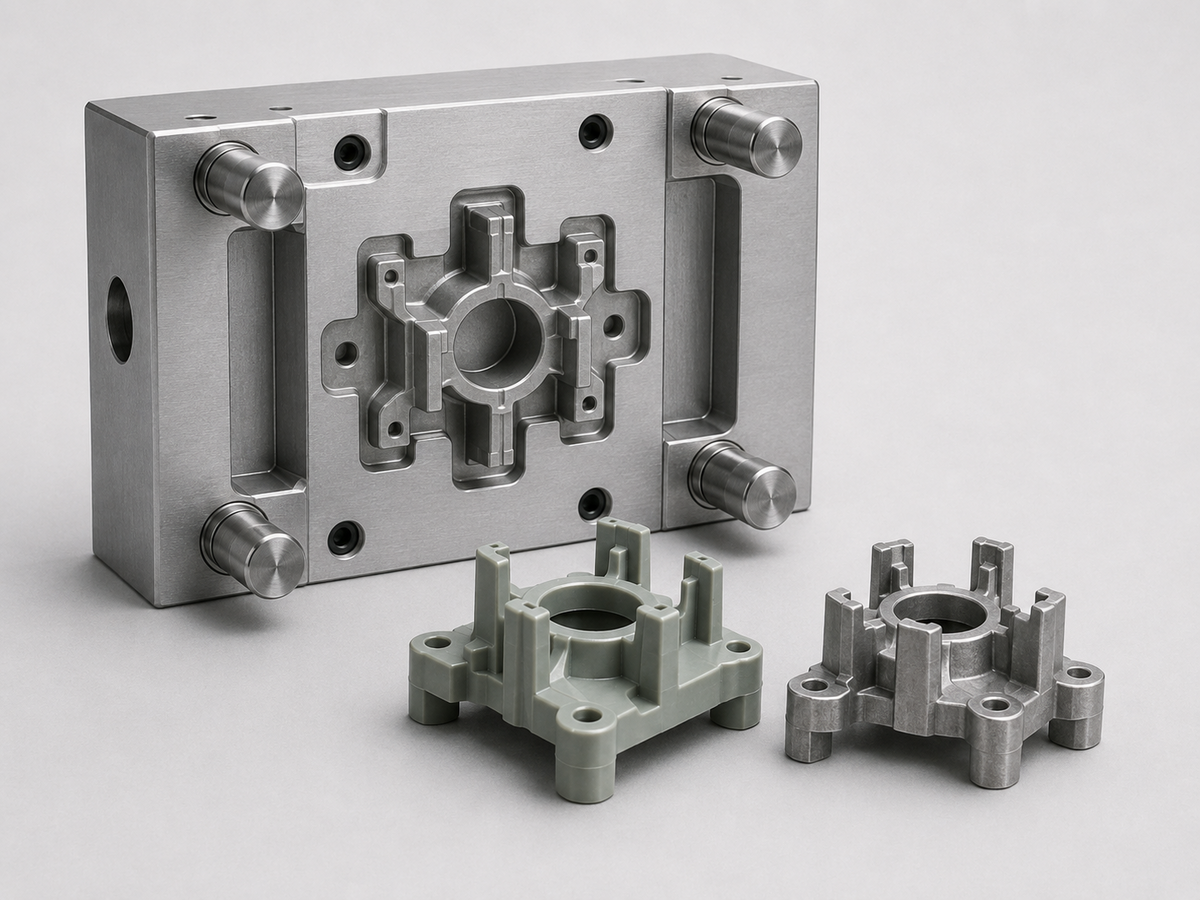
With MIM, many of these features can be formed directly in the mold, reducing material removal and secondary machining.
However, MIM is not automatically cheaper than CNC machining. The break-even quantity depends on component geometry, material, tooling investment, and finishing requirements.
How to Reduce MIM Part Costs
The most effective cost reductions usually begin during component design.
-
Optimize wall thickness: Avoid unnecessarily thick sections that increase material consumption and complicate debinding.
-
Simplify critical tolerances: Reserve tight tolerances for functional features to reduce secondary machining.
-
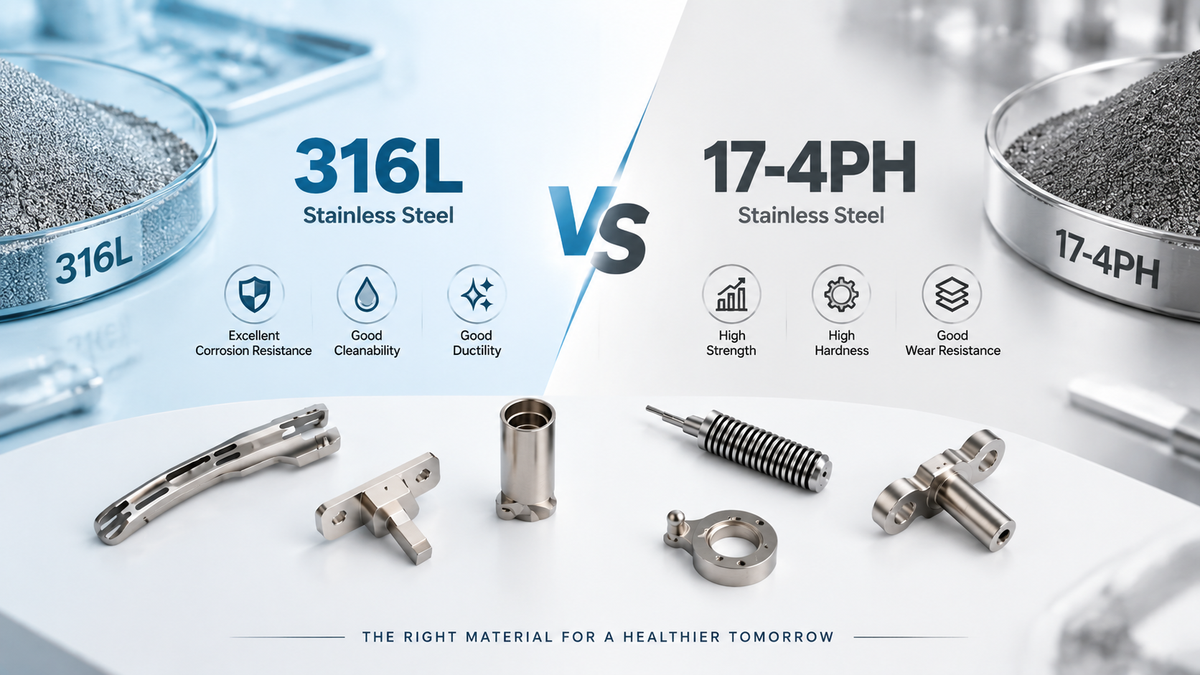
Select appropriate materials: Choose metal grades based on actual mechanical and corrosion requirements.
-
Plan production quantities: Evaluate annual demand and mold cavity count before tooling development.
An early design-for-manufacturability (DFM) review can identify opportunities to simplify tooling and improve production yield.

When Is Metal Injection Molding Cost-Effective?
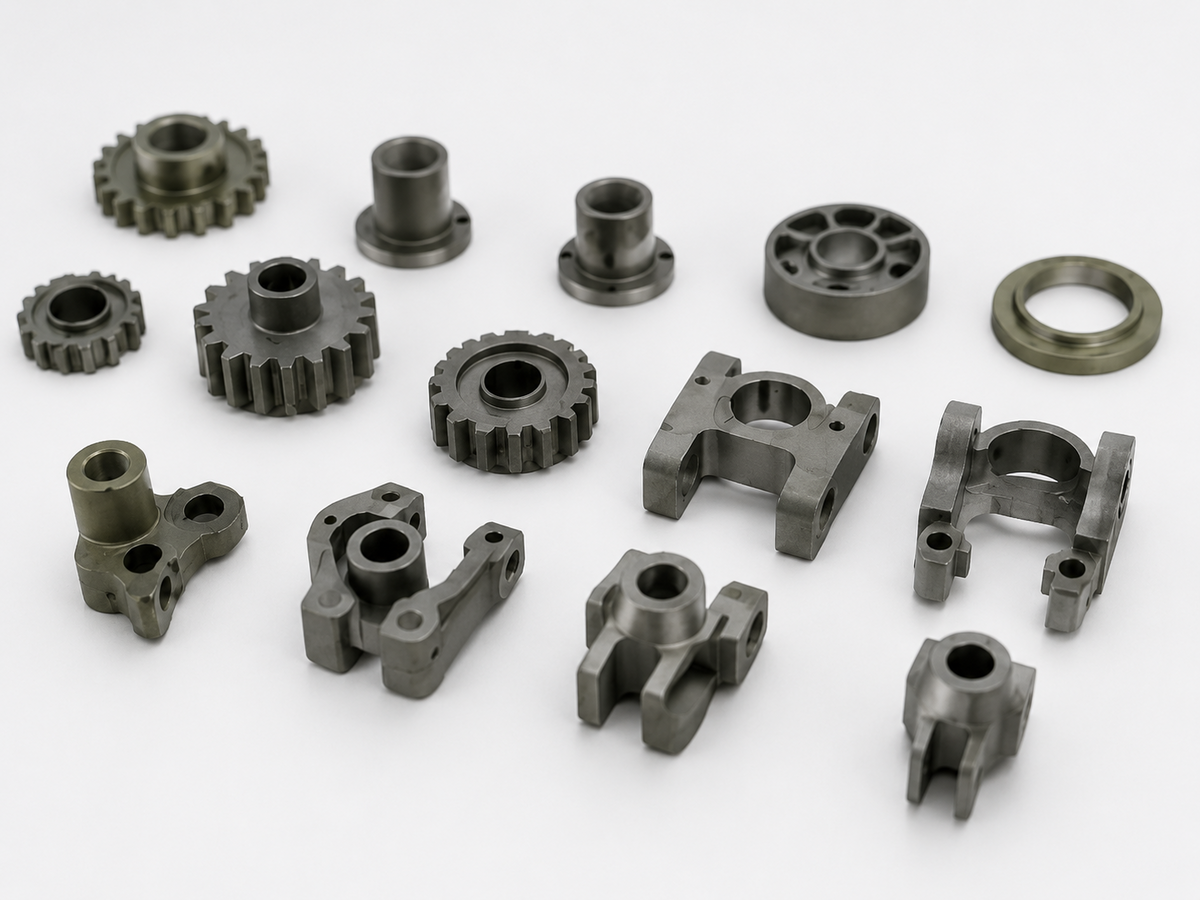
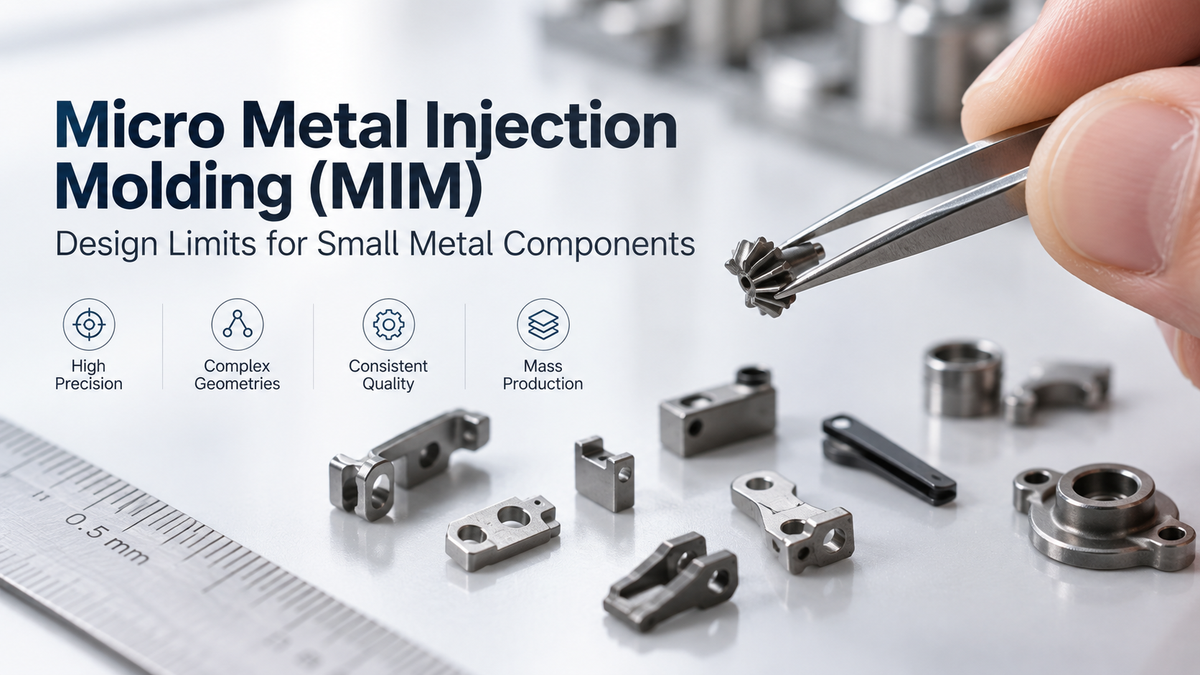
MIM is especially suitable for manufacturing small, detailed metal components requiring consistent dimensions and repeatable production.
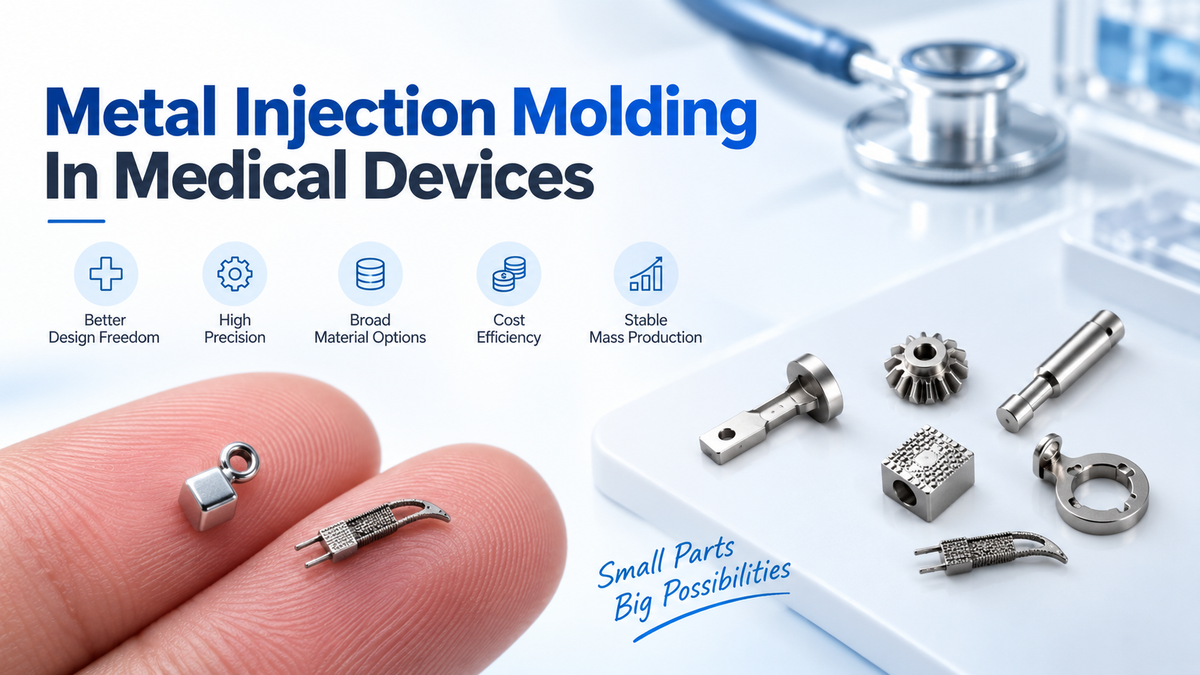
Typical applications include medical instrument components, electronic connectors, miniature gears, automotive locking parts, and precision mechanical hardware.
For simple components, conventional powder metallurgy may offer a lower manufacturing cost. For complex geometries, MIM may reduce machining and assembly operations.
The right choice depends on the total cost per finished, accepted component, rather than the molding price alone.

Custom MIM Manufacturing at XY-GLOBAL
XY-GLOBAL provides custom metal injection molding solutions, including material selection, DFM analysis, tooling development, sintering, secondary CNC machining, and quality inspection.
With ISO 9001 and ISO 13485 quality management systems, we support precision metal component manufacturing for medical, automotive, electronics, and industrial applications.
Learn more about our Metal Injection Molding Services or contact our engineering team for a project-specific quotation.
Frequently Asked Questions
What information is needed for an MIM quotation?
A STEP file, 2D drawing, required material, annual production volume, and critical tolerances allow manufacturers to evaluate tooling and production costs.
Can MIM parts be produced in multiple mold cavities?
Yes. Multi-cavity tooling can increase production output, although it may require higher initial tooling investment and more demanding process control.
Does MIM always require secondary machining?
No. Many features can be produced as-sintered. However, critical holes, precision threads, and tight-tolerance mating surfaces may require additional machining.
Can the material be changed after MIM tooling is completed?
Material changes may affect sintering shrinkage, dimensional accuracy, and tooling requirements. Engineering evaluation is necessary before changing the specified alloy.
Делиться:
ЧПУ-обработка керамики или литьё керамики под давлением (CIM): какой технологический процесс выбрать?