

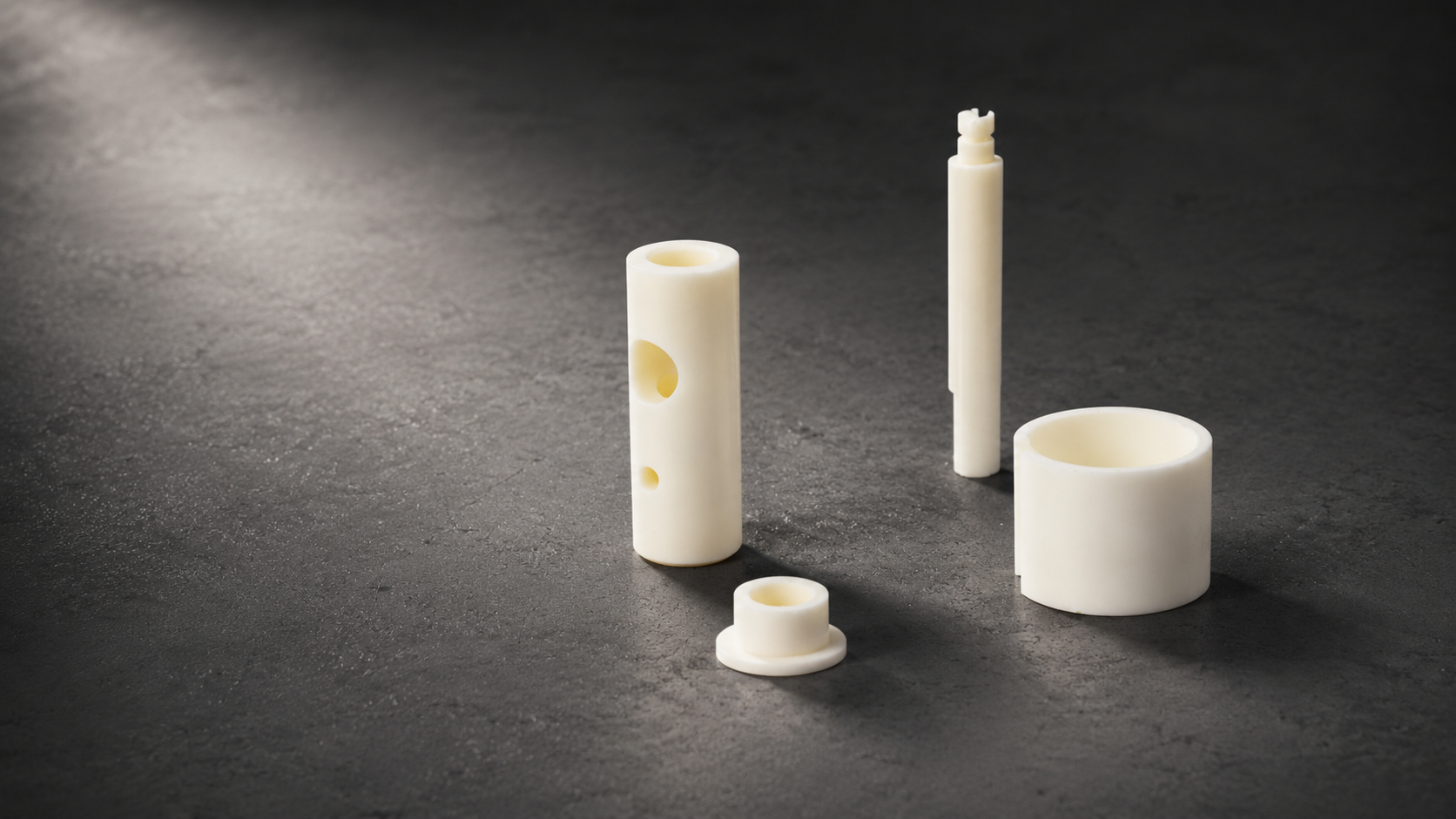
Малые циркониевые детали требуют большего, чем просто высокопроизводительные материалы
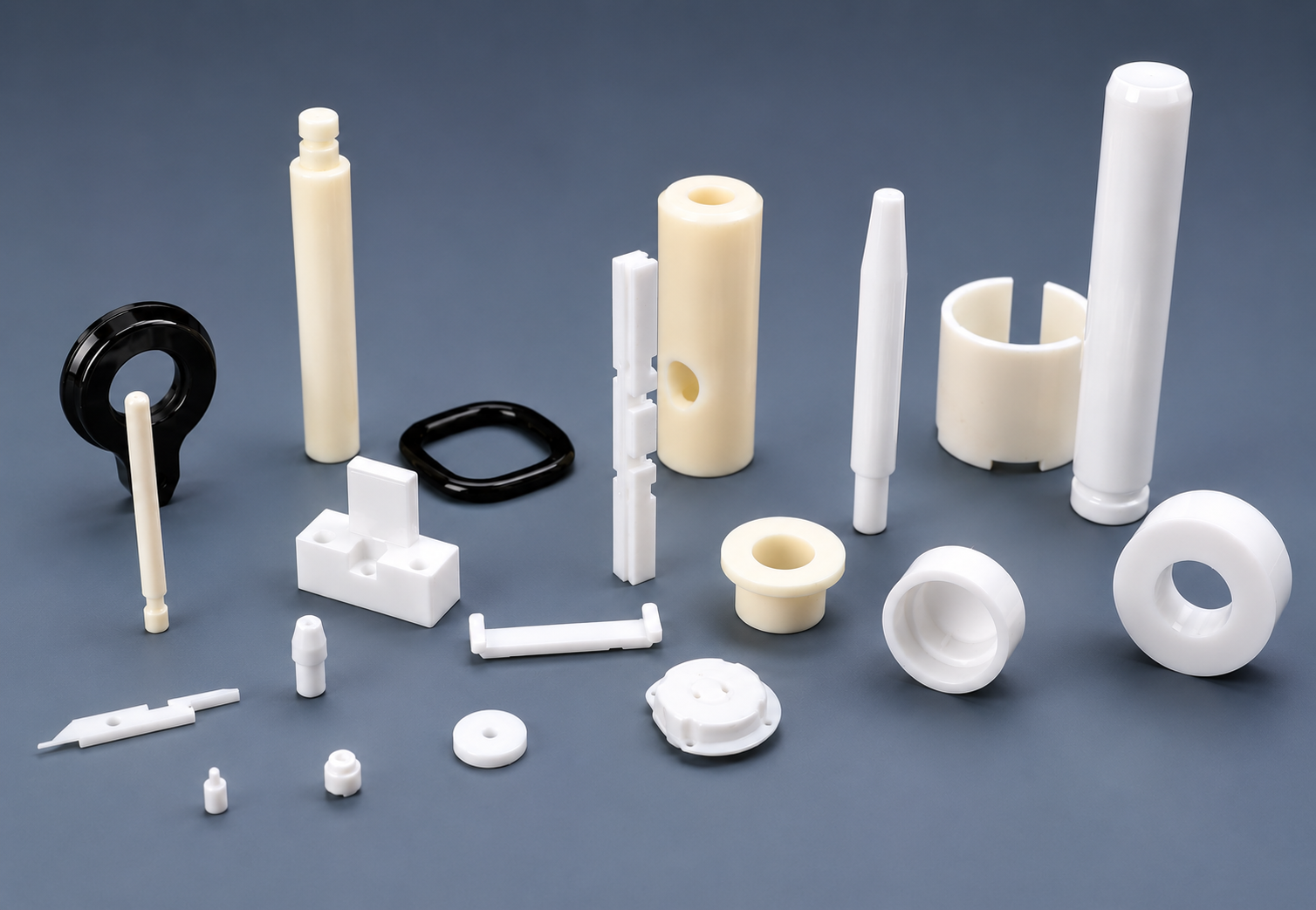
В медицинских устройствах, полупроводниковом оборудовании и прецизионных системах автоматизации все больше инженеров обращаются к циркониевым керамическим компонентам в качестве альтернативы традиционным металлическим деталям.
Причина не только в более высокой твердости. Во многих критических применениях металлические материалы не могут обеспечить такое же сочетание:
- Долговременная стабильность размеров
- Превосходная износостойкость
- Низкое образование частиц
- Химическая стойкость
Однако в ходе реальных проектов мы обнаружили, что самая большая проблема циркониевых керамических деталей заключается не в выборе материала.
Настоящая проблема заключается в следующем:
Как изготовить малые, сложные циркониевые компоненты с постоянной точностью и надежной производительностью.
Для высокотехнологичных применений изготовления одного квалифицированного прототипа недостаточно. Ключом является достижение стабильного качества от проверки прототипа до серийного производства.

Настоящая проблема: поддержание точности в сложных циркониевых компонентах
В отличие от обычных металлических деталей, циркониевые керамические компоненты требуют иного подхода к производству из-за их материальных характеристик.
На стадии проектирования компонент может выглядеть простым, но он часто включает в себя несколько критических требований:
- Малые прецизионные отверстия
- Жесткие допуски по размерам
- Требования к плоскостности
- Гладкие контактные поверхности
- Сложные геометрии
При сочетании этих требований сложность изготовления значительно возрастает.
Например, прецизионный позиционирующий компонент, используемый в передовом оборудовании, может требовать:
- Циркониевый материал
- Высокая точность размеров
- Отличная чистота поверхности
- Долговременная износостойкость
Если деталь спроектирована и изготовлена с использованием того же подхода, что и металлический компонент, могут возникнуть проблемы:
- Сколы по краям во время механической обработки
- Размерные вариации между партиями
- Сложность достижения требований к поверхности
- Снижение стабильности производства
Поэтому производство прецизионных циркониевых керамических компонентов требует не только возможностей механической обработки, но и глубокого понимания поведения керамики.

Оптимизация конструкции — первый шаг к успешному созданию циркониевых деталей
Многие производственные проблемы на самом деле можно предотвратить до начала механической обработки.
При рассмотрении проектов циркониевых керамических компонентов мы обычно фокусируемся на нескольких ключевых областях.
1. Избегайте ненужной концентрации напряжений
Хотя цирконий обладает более высокой вязкостью по сравнению со многими традиционными керамическими материалами, он все же является твердым и хрупким материалом.
Некоторые конструктивные особенности могут увеличить производственные риски, такие как:
- Острые углы
- Чрезвычайно тонкие стенки
- Малые внутренние радиусы
- Внезапные изменения геометрии
Оптимизация этих областей может улучшить стабильность механической обработки и снизить риск повреждения во время производства.
Для циркониевых деталей небольшая корректировка конструкции часто может значительно повысить надежность изготовления.
2. Совместите требования к точности и производственные возможности
Распространенная ошибка заключается в применении стандартов проектирования металлических деталей непосредственно к керамическим компонентам.
Производство керамики требует иного инженерного подхода.
Перед производством важно оценить:
- Какие размеры напрямую влияют на функциональность;
- Какие области требуют строгого контроля;
- Какие функции могут быть оптимизированы без ущерба для производительности.
Этот ориентированный на производство анализ конструкции помогает клиентам избежать ненужных затрат, одновременно повышая процент успешного производства.
3. Качество поверхности напрямую влияет на производительность
Для многих циркониевых керамических компонентов чистота поверхности — это не только требование к внешнему виду.
Она напрямую влияет на функциональные характеристики.
Например, в подвижных или контактных применениях:
- Шероховатость поверхности влияет на трение;
- Поверхностные дефекты могут сократить срок службы;
- Локальные повреждения могут привести к долгосрочному отказу.
Поэтому прецизионные керамические изделия требуют тщательного контроля качества механической обработки и требований к поверхности.
Почему цирконий выбран для прецизионных компонентов
Хотя цирконий более сложен в производстве по сравнению с металлами, он остается одним из предпочтительных материалов для требовательных применений.
Высокая износостойкость
Цирконий обладает отличной износостойкостью, что делает его подходящим для компонентов, подверженных многократному трению и движению.
Типичные применения включают:
- Прецизионные направляющие
- Скользящие компоненты
- Износостойкие детали
Отличная химическая стабильность
Цирконий сохраняет стабильные характеристики в сложных условиях, где важны коррозионная стойкость и надежность материала.
Это преимущество делает цирконий подходящим для таких отраслей, как:
- Производство полупроводников
- Медицинское оборудование
- Промышленная автоматизация

Как мы поддерживаем проекты по циркониевым керамическим компонентам
В XY-GLOBAL мы считаем:
Производство керамических компонентов — это не просто механическая обработка детали. Это помощь клиентам в создании надежного функционального компонента.
Для каждого проекта циркониевых керамических компонентов мы концентрируемся на трех ключевых областях.
Поддержка от прототипа до производства
XY-GLOBAL поддерживает клиентов от первоначальной разработки до серийного производства, включая:
- Изготовление прототипов
- Мелкосерийное производство
- Повышение повторяемости производства
Наша цель — не только производить образцы, но и помогать клиентам в достижении стабильных долгосрочных поставок.
Применение циркониевых керамических компонентов
Циркониевые керамические компоненты широко используются в отраслях, где точность, долговечность и стабильность имеют решающее значение.
| Отрасль | Применение |
|---|---|
| Медицинское оборудование | Прецизионные медицинские компоненты, износостойкие детали |
| Полупроводниковое оборудование | Позиционирующие компоненты, изоляционные детали, прецизионные конструкции |
| Оптическое оборудование | Прецизионные регулировочные компоненты |
| Автоматизированное оборудование | Долговечные компоненты движения |
| Промышленное оборудование | Износостойкие и коррозионностойкие детали |

Выбор подходящего производителя циркониевой керамики
Для требовательных керамических компонентов выбор поставщика не должен основываться только на цене механической обработки.
Что более важно, производители должны понимать:
- Поведение керамического материала;
- Требования к оптимизации конструкции;
- Проблемы прецизионной механической обработки;
- Стабильность от партии к партии.
Надежный производитель циркониевых керамических компонентов должен быть способен поддерживать клиентов не только в производстве — от инженерной оценки и разработки прототипов до стабильного производства.
В XY-GLOBAL мы предоставляем индивидуальные решения по обработке циркониевой керамики для клиентов в медицинской, полупроводниковой, автоматизационной и промышленной отраслях.
Если вы разрабатываете циркониевые керамические компоненты, пожалуйста, предоставьте:
- 2D чертежи
- 3D CAD модели
- Требования к материалу
- Информацию о применении
Не уверены, подходит ли ваша конструкция циркониевой керамики для производства? Отправьте нам свои чертежи и требования к применению для профессиональной оценки технологичности.

Делиться:
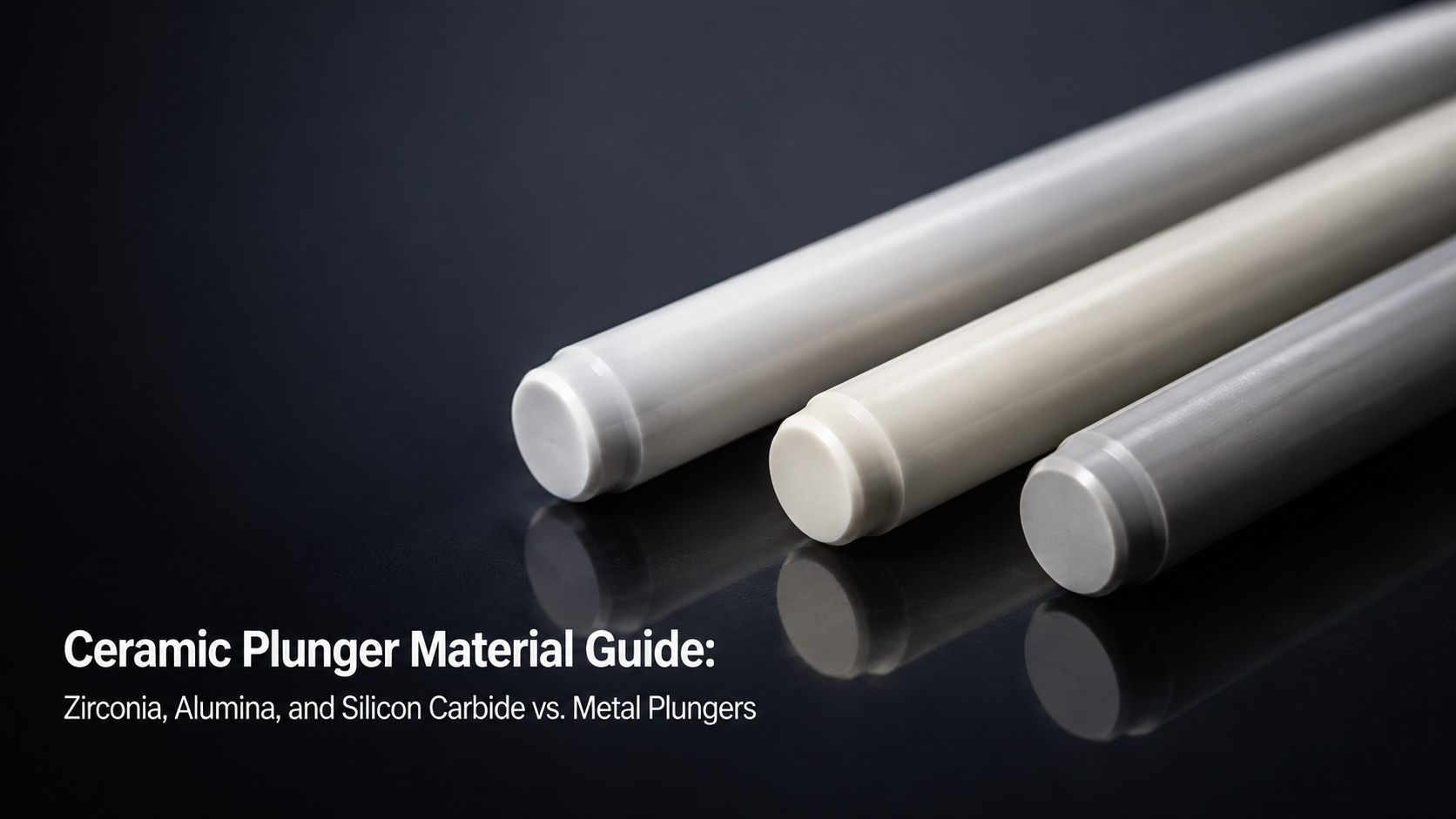
Руководство по керамическим плунжерам: диоксид циркония, оксид алюминия и карбид кремния в сравнении с металлическими плунжерами
Распространенные проблемы при обработке порошковой металлургии