

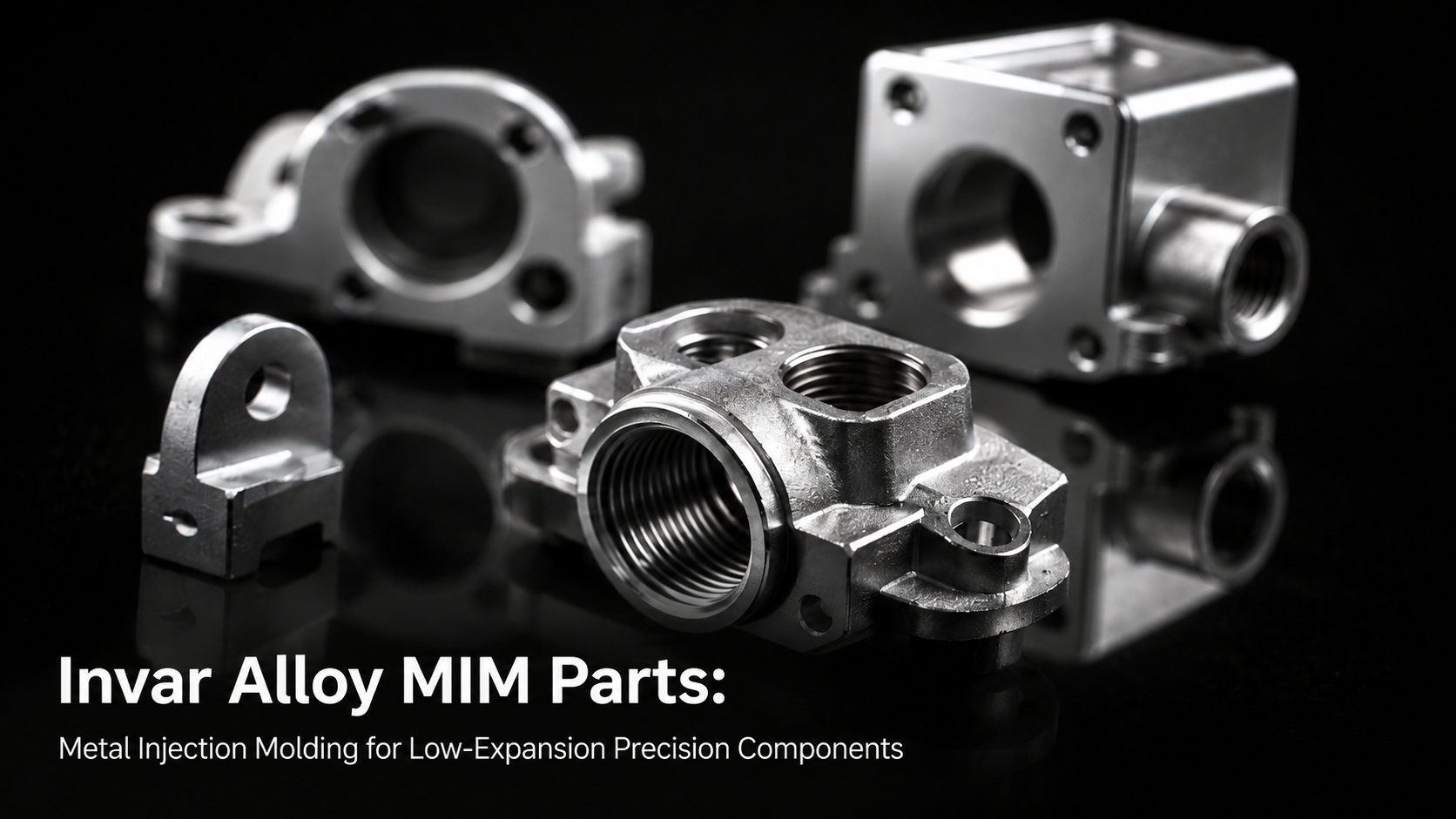
Cuando un sistema láser se desajusta en una tarde calurosa, o un soporte de satélite se desplaza unos pocos micrones al pasar de la luz solar a la sombra, el culpable suele ser la expansión térmica. Para los ingenieros que diseñan hardware óptico, de semiconductores y aeroespacial, mantener las dimensiones estables en un rango de temperatura es a menudo más importante que ahorrar peso o costo. Este es exactamente el problema que el hierro-níquel Invar fue inventado para resolver, y el moldeo por inyección de metal (MIM) ahora hace posible producir piezas de Invar pequeñas y geométricamente complejas de manera económica y en volumen, sin los dolores de cabeza de mecanizado por los que este material es conocido.

¿Qué es la aleación Invar (FeNi36)?
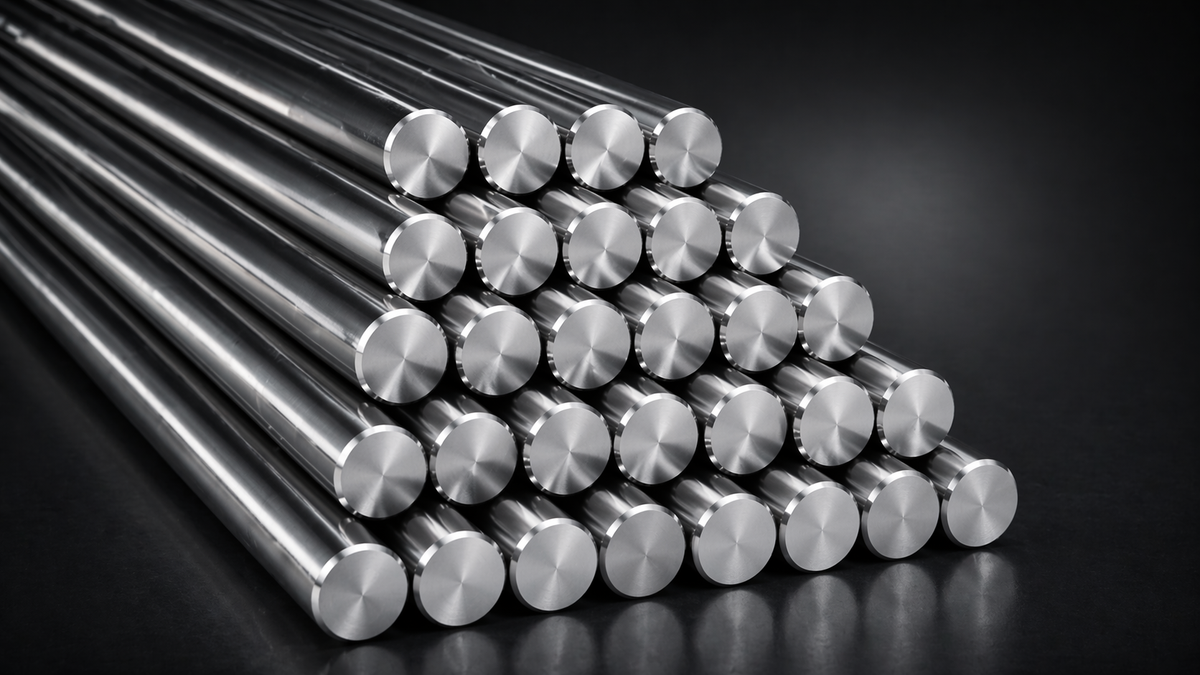
Invar es una aleación de níquel-hierro que contiene aproximadamente un 36% de níquel, con el resto de hierro y pequeñas adiciones de carbono, manganeso y silicio. Fue descubierta en 1896 por el físico suizo Charles Édouard Guillaume, quien más tarde ganó el Premio Nobel de Física en gran parte por este trabajo. El nombre "Invar" proviene de "invariable", en referencia a su característica principal: un coeficiente de expansión térmica (CTE) cercano a cero en un rango de temperatura de funcionamiento normal.
En la industria, el Invar también se conoce como Invar 36, FeNi36, Aleación 36 o por la designación UNS K93601. Además de su baja expansión, el Invar ofrece una resistencia mecánica razonable y es ferromagnético, aunque tiene una resistencia a la corrosión solo moderada y normalmente requiere recubrimiento o revestimiento en ambientes húmedos o marinos.
Por qué la baja expansión térmica es importante en la fabricación de precisión
La mayoría de los metales de ingeniería se expanden y contraen notablemente con la temperatura. Los aceros estándar tienen un CTE de alrededor de 11–13 ppm/°C, las aleaciones de aluminio alrededor de 22–24 ppm/°C y el titanio alrededor de 8.6 ppm/°C. El Invar, por el contrario, tiene un CTE de aproximadamente 1.2 ppm/°C cerca de la temperatura ambiente, un orden de magnitud inferior al del acero.
En el hardware cotidiano, esta diferencia es invisible. Pero en ensamblajes ópticos, etapas de litografía de semiconductores, paquetes de diodos láser, accesorios de alineación de fibra y estructuras de satélites, unos pocos micrones de deriva dimensional pueden significar que una lente se desenfoque, un interferómetro pierda precisión o una etapa de oblea pierda registro. En estas aplicaciones, los ingenieros eligen deliberadamente Invar para que la estructura que sostiene un componente de precisión permanezca dimensionalmente estable incluso cuando la temperatura ambiente o de funcionamiento fluctúa.
¿Se puede procesar Invar mediante moldeo por inyección de metal?
Sí, pero exige un control de proceso más estricto que muchas aleaciones MIM comunes. La propiedad definitoria del Invar proviene de una relación hierro-níquel muy específica de 64:36, e incluso un cambio del 1% en el contenido de níquel puede cambiar de forma medible el CTE resultante. Esto significa que la preparación de la materia prima, el desaglomerado y el sinterizado deben preservar la precisión composicional desde el polvo hasta la pieza acabada.
Dos riesgos del proceso son los más importantes. Primero, la oxidación: la parte de hierro de la aleación es propensa a oxidarse durante el desaglomerado térmico y el sinterizado temprano, lo que puede alterar la química de la superficie y el rendimiento mecánico si no se lleva a cabo en una atmósfera reductora controlada (típicamente hidrógeno) o al vacío. Segundo, la densificación: las piezas MIM de Invar deben alcanzar una alta fracción de densidad teórica (generalmente superior al 95-98%) para que la microestructura proporcione un CTE estable y repetible. Se utiliza polvo de FeNi36 fino, esférico y atomizado con gas, generalmente en el rango de 4 a 20 micras, como base de la materia prima MIM para soportar este nivel de control.

El proceso de producción MIM para piezas de Invar
El flujo de trabajo general para Invar MIM sigue las mismas etapas principales que otros programas de moldeo por inyección de metal, con algunos ajustes específicos de la aleación:
Compuesto de la materia prima: El polvo fino de Invar 36 se mezcla con un sistema aglomerante multicomponente para formar una materia prima homogénea y moldeable.
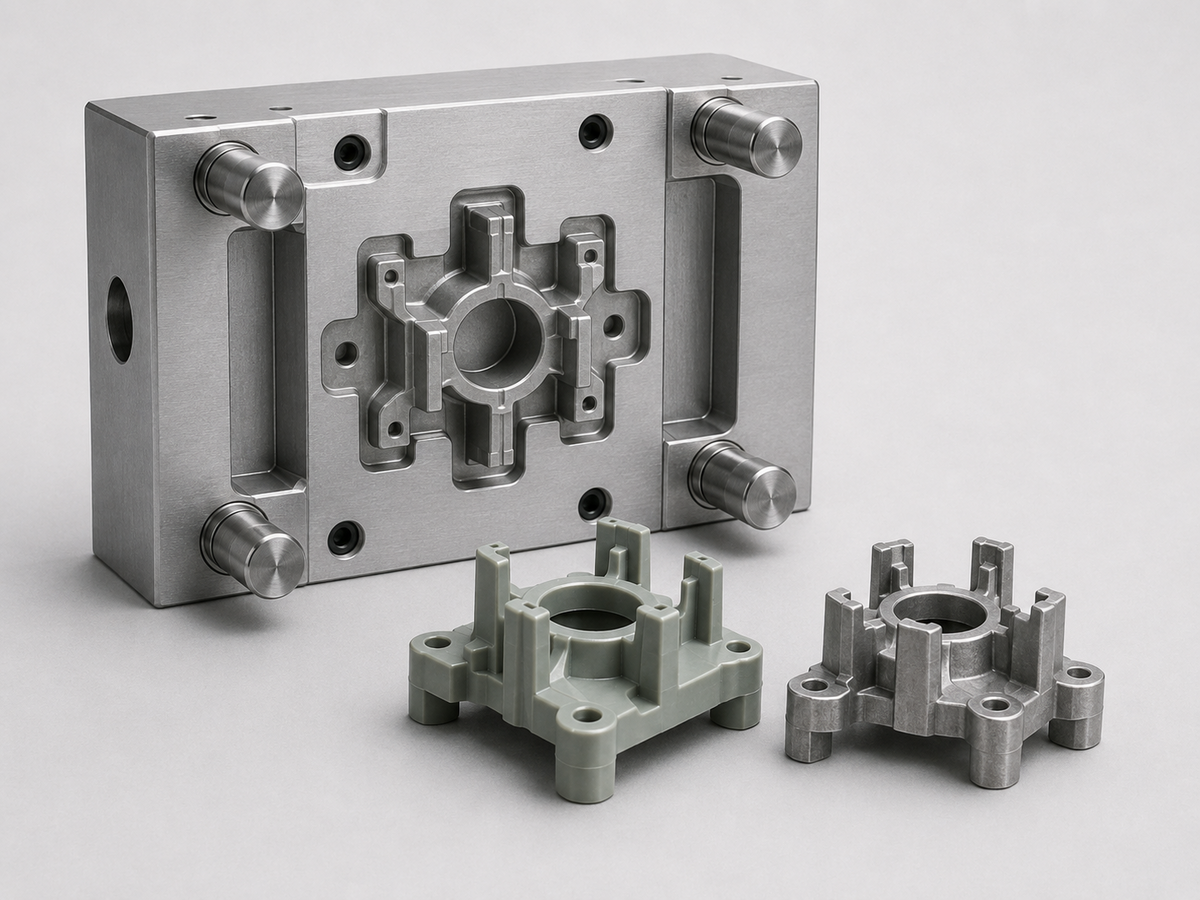
Moldeo por inyección: La materia prima se moldea por inyección en una pieza "verde" con la geometría deseada, sobredimensionada para compensar la contracción durante el sinterizado.
Desaglomerado: El aglomerante se elimina mediante desaglomerado por solvente y/o térmico, dejando una pieza "marrón" frágil hecha solo de polvo metálico mantenido unido por ligeros cuellos de sinterización.
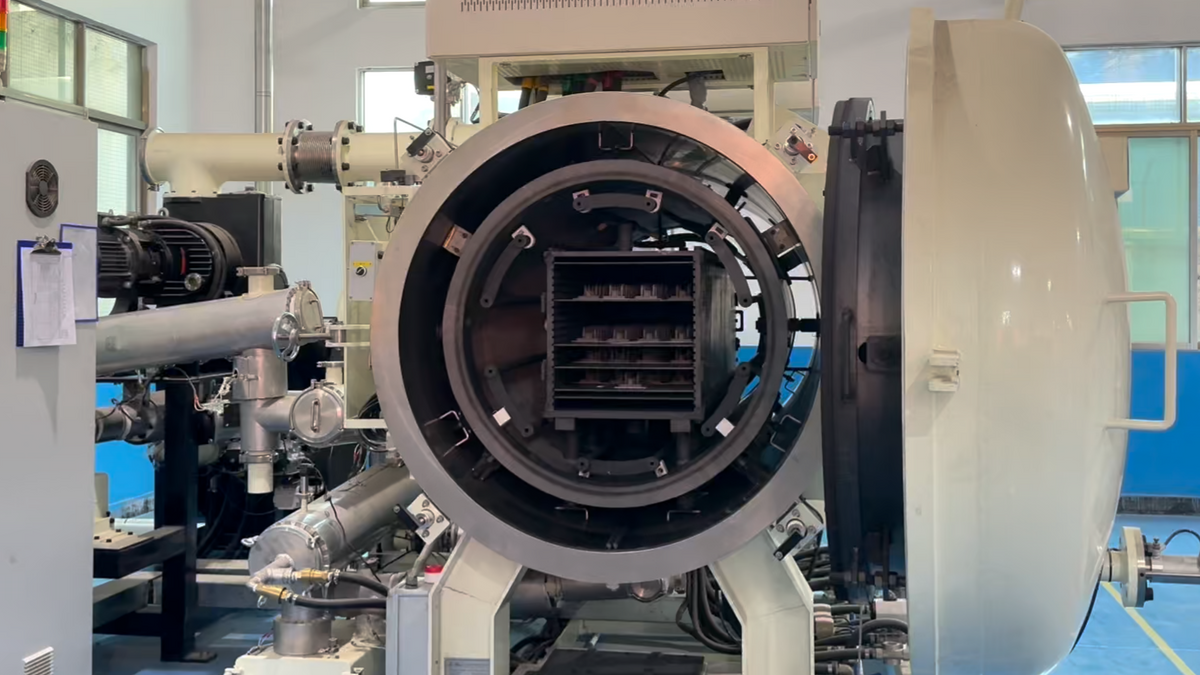
Sinterizado: La pieza marrón se sinteriza a alta temperatura en un horno de hidrógeno o vacío, siguiendo un perfil cuidadosamente controlado para alcanzar la densidad completa mientras se mantiene la relación Ni:Fe. Las piezas suelen encogerse entre un 15 y un 20% linealmente durante esta etapa, lo que debe incorporarse al diseño original de la herramienta.
Operaciones secundarias: Dependiendo de la aplicación, las piezas pueden pasar por calibrado, un tratamiento térmico estabilizador para fijar el CTE deseado, mecanizado de precisión de superficies de referencia críticas o chapado para protección contra la corrosión.
Aplicaciones típicas de los componentes Invar MIM
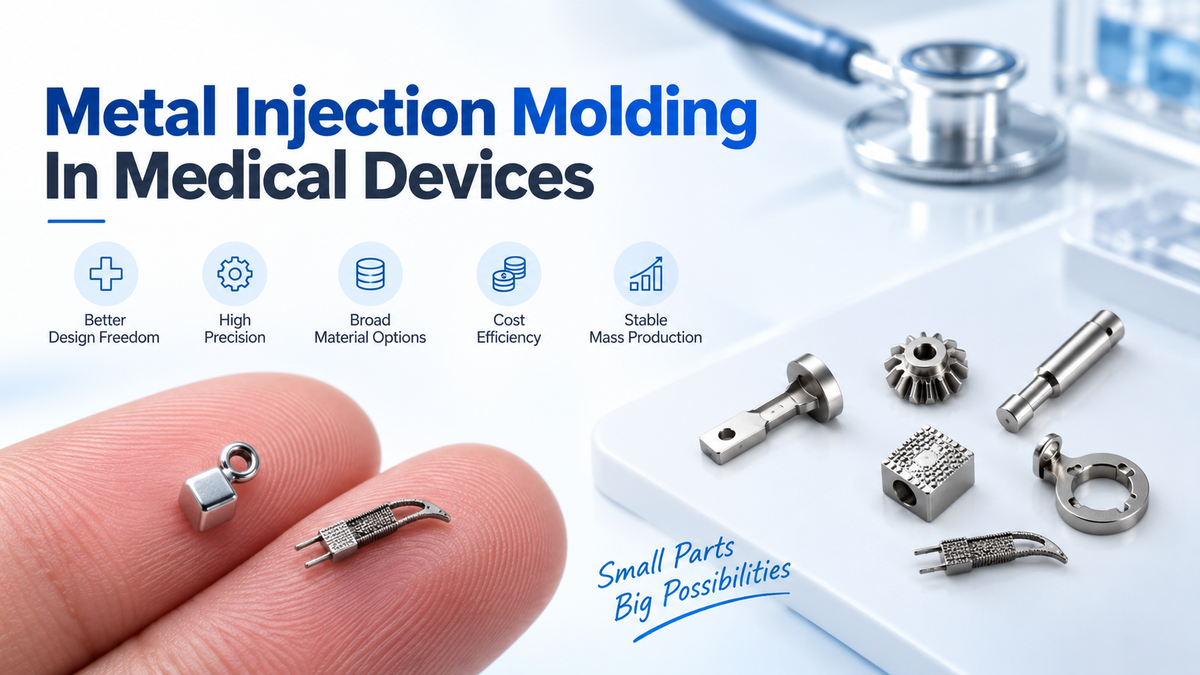
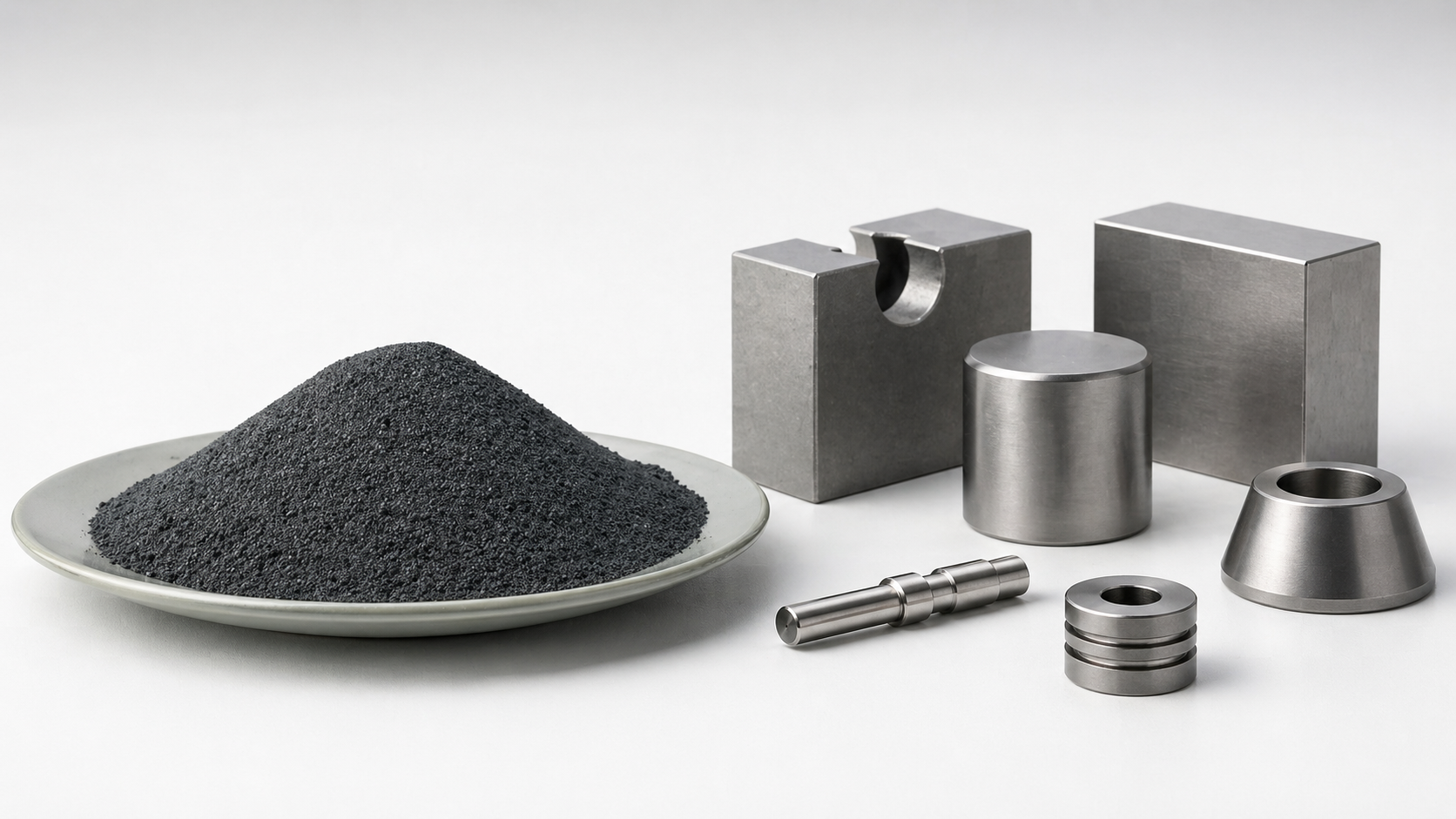
Las piezas de Invar MIM suelen ser pequeñas, geométricamente complejas y se producen en volúmenes de moderados a altos, exactamente el perfil para el que el MIM es más adecuado. Las aplicaciones comunes incluyen:
Carcasas de instrumentos ópticos y componentes de tubos de lentes para telescopios, cámaras y sistemas láser, donde el espaciado de las lentes no debe variar con la temperatura. Férulas y accesorios de alineación de conectores de fibra óptica que mantienen los núcleos de las fibras precisamente posicionados. Soportes de etapas de litografía de semiconductores y accesorios de manipulación de obleas, donde la precisión de posicionamiento a nivel nanométrico depende de un marco estable. Soportes estructurales y soportes de antenas para satélites y aplicaciones aeroespaciales expuestos a fluctuaciones extremas de temperatura entre la luz solar y la sombra. Marcos de instrumentos de medición de precisión, como interferómetros y cuerpos de calibres. Carcasas y sellos de sensores criogénicos que deben mantener la tolerancia desde la temperatura ambiente hasta temperaturas de funcionamiento extremadamente bajas.

Invar MIM vs. Mecanizado CNC vs. Fundición a la cera perdida
Los ingenieros que evalúan las rutas de producción para piezas de Invar generalmente comparan tres opciones.
El mecanizado CNC suele ser el predeterminado para prototipos o volúmenes muy bajos. Sin embargo, el Invar es notoriamente difícil de mecanizar —es "gomoso", se endurece rápidamente por el trabajo y desgasta rápidamente las herramientas, lo que aumenta significativamente el costo para geometrías pequeñas y complejas.
La fundición a la cera perdida puede producir piezas de Invar más grandes, pero la precisión dimensional es menor y la porosidad puede introducir inconsistencias en el CTE y las propiedades mecánicas, una preocupación seria para aplicaciones de precisión.
El moldeo por inyección de metal produce piezas con forma casi final con precisión dimensional repetible, y puede formar roscas, paredes delgadas y socavaciones en un solo paso que de otro modo requerirían múltiples operaciones de mecanizado. Para pequeños componentes de Invar (generalmente menos de 100 gramos) necesarios en miles de unidades, el MIM es típicamente la ruta más rentable, especialmente una vez que el costo de las herramientas se amortiza en el volumen de producción.
Pautas de diseño para piezas Invar MIM
Algunas pautas prácticas ayudan a los ingenieros a sacar el máximo provecho del Invar MIM:
Mantenga el espesor de la pared en el rango de 0,5 a 6 mm siempre que sea posible, para soportar una contracción y un comportamiento de sinterizado uniformes. Evite las esquinas internas afiladas, que concentran la tensión y aumentan el riesgo de agrietamiento durante el desaglomerado. Para aplicaciones que requieren un control extremadamente estricto del CTE (tolerancias más estrictas que aproximadamente ±0,1%), planifique un paso de mecanizado secundario en las superficies de referencia críticas después del sinterizado. Considere un tratamiento térmico de estabilización posterior al sinterizado (típicamente recocido cerca de 830°C seguido de un perfil de enfriamiento controlado) para asegurar un comportamiento de expansión térmica consistente. Dado que el Invar tiene solo una resistencia moderada a la corrosión, tenga en cuenta el niquelado o chapado en oro para las piezas expuestas a la humedad o al almacenamiento a largo plazo.

Por qué trabajar con XY-Global para piezas Invar MIM
El Invar no es un material que se pueda fallar fácilmente; la deriva de la composición, la oxidación o la densificación incompleta pueden anular silenciosamente la propiedad exacta por la que los ingenieros están pagando. XY-Global aporta más de 15 años de experiencia en fabricación MIM y CIM, más de 46 materiales desarrollados en I+D y capacidad de tolerancia de precisión de hasta 1 µm, respaldados por un informe de viabilidad DFM gratuito y muestras de prototipos gratuitas para que el CTE y el rendimiento dimensional de un diseño puedan validarse antes de comprometerse con las herramientas de producción. Con un historial de servicio a clientes ópticos, de semiconductores y aeroespaciales, nuestro equipo de ingeniería puede ayudar a evaluar si Invar MIM es la opción correcta para un diseño dado y dónde pueden ser necesarias operaciones secundarias para cumplir con especificaciones exigentes.
Preguntas frecuentes
¿Qué significa CTE y por qué el CTE del Invar es tan bajo?
El CTE (coeficiente de expansión térmica) mide cuánto cambian las dimensiones de un material por cada grado de cambio de temperatura. El CTE casi nulo del Invar se debe a un efecto magnético llamado efecto Invar, en el que la expansión térmica se compensa en gran medida por un cambio en el estado magnético de la aleación a medida que aumenta la temperatura.
¿Es magnético el Invar?
Sí, el Invar es ferromagnético a temperatura ambiente, lo cual es parte del mecanismo detrás de su bajo comportamiento de expansión térmica.
¿Se pueden utilizar las piezas de Invar MIM en aplicaciones criogénicas?
Sí. La estabilidad dimensional de Invar se extiende a entornos de baja temperatura, lo que lo convierte en una opción común para carcasas de sensores criogénicos y hardware relacionado, aunque la aplicación específica debe validarse con el rango de temperatura de funcionamiento.
¿Cómo se compara el costo de Invar MIM con el de las piezas de Invar mecanizadas?
Para piezas pequeñas y complejas en volúmenes moderados a altos, MIM suele ser más rentable que el mecanizado una vez que se amortiza el utillaje, ya que la poca maquinabilidad de Invar eleva significativamente los costos de mecanizado CNC.
¿Qué tolerancias se pueden lograr con las piezas de Invar MIM?
Las tolerancias MIM estándar de aproximadamente ±0,3–0,5% de una dimensión dada se pueden lograr tal como están sinterizadas; se pueden alcanzar tolerancias más estrictas con mecanizado secundario o dimensionamiento en características críticas.
¿El Invar necesita tratamiento superficial?
A menudo sí. Debido a que Invar tiene solo una resistencia moderada a la corrosión, el recubrimiento (como níquel u oro) se aplica comúnmente para piezas expuestas a la humedad o al uso en exteriores o marinos a largo plazo.
Conclusión
La expansión térmica casi nula de Invar lo hace indispensable donde la estabilidad dimensional bajo cambios de temperatura no es negociable, desde instrumentos ópticos hasta etapas de semiconductores y estructuras aeroespaciales. El moldeo por inyección de metal ofrece una forma práctica de producir componentes de Invar pequeños y complejos de manera económica y repetible, evitando las dificultades de mecanizado por las que es conocido este material, siempre que el proceso controle cuidadosamente la composición, la oxidación y la densificación. Los ingenieros que consideren Invar MIM para un nuevo diseño pueden solicitar una revisión gratuita de viabilidad de DFM para evaluar la fabricabilidad antes de comprometerse con las herramientas.
Compartir:
Componentes Cerámicos de Precisión para Aplicaciones Industriales de Alto Rendimiento
Moldeo por inyección de metal (MIM) de cobre para hardware de IA y refrigeración de electrónica de potencia