


Carbonized tungsten—more formally known as tungsten carbide (WC)—is one of the hardest materials used in industrial tools and cutting applications. Traditionally, it is formed into solid blanks, pressed, and ground to shape. But for small, complex, or highly wear‑resistant parts, this approach quickly becomes expensive or even impossible.
That’s where tungsten carbide MIM comes in. By using Metal Injection Molding (MIM) to form tungsten carbide components, it’s now possible to make complex, near‑net‑shape parts that conventional methods struggle with. In this article, we’ll break down what custom tungsten carbide MIM parts can do, where they fit best, and when they’re worth considering over standard carbide or MIM stainless steel.

What Are Tungsten Carbide MIM Parts?
Tungsten carbide MIM parts are metal components made from tungsten carbide powder using Metal Injection Molding. In simple terms:
- You mix fine tungsten carbide powder with a polymer binder (like a “metal batter”).
-
That mixture is injected into a mold (similar to plastic injection molding).
-
After debinding and sintering, the binder burns away and the powder becomes a dense, hard metal part.
Tungsten carbide gives the part high hardness and strong wear resistance; MIM enables the formation of small, detailed shapes in production without machining everything from solid stock.
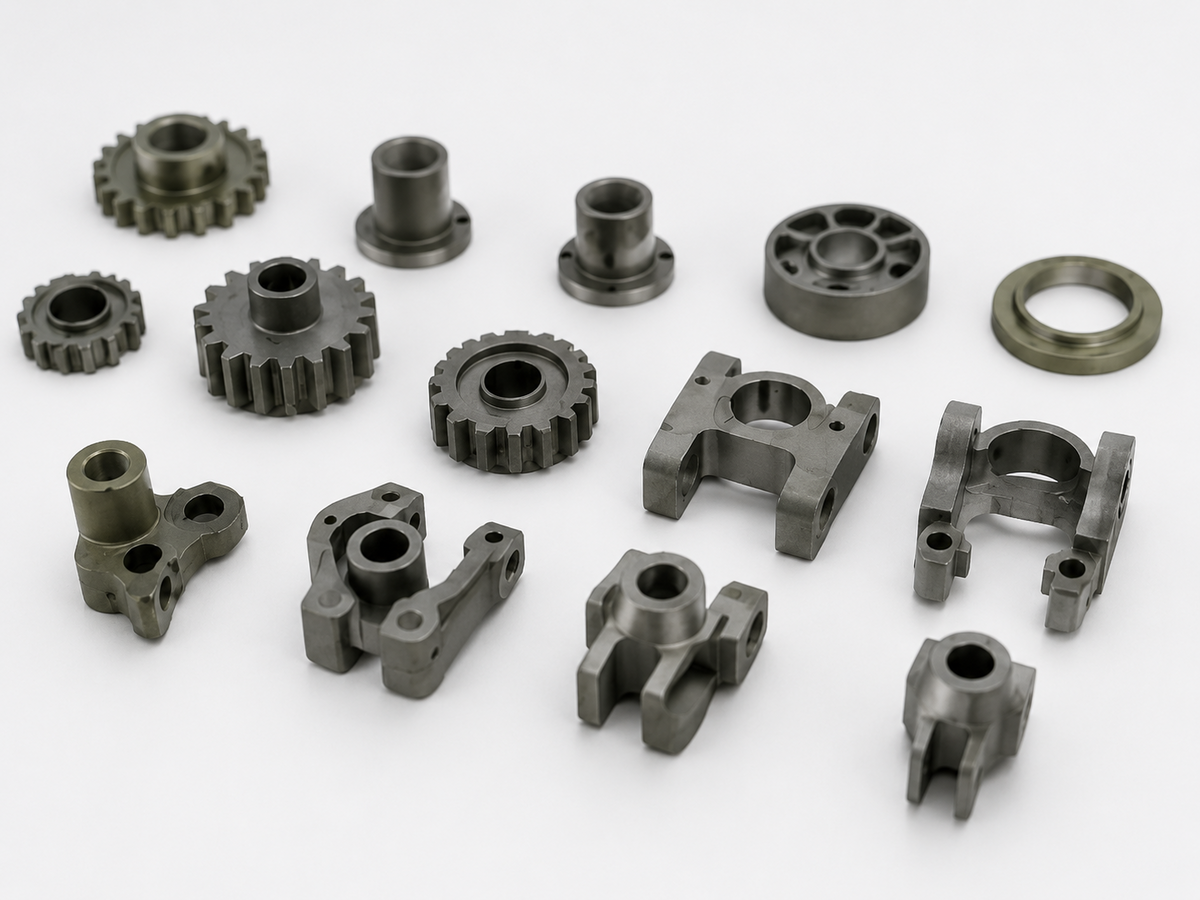
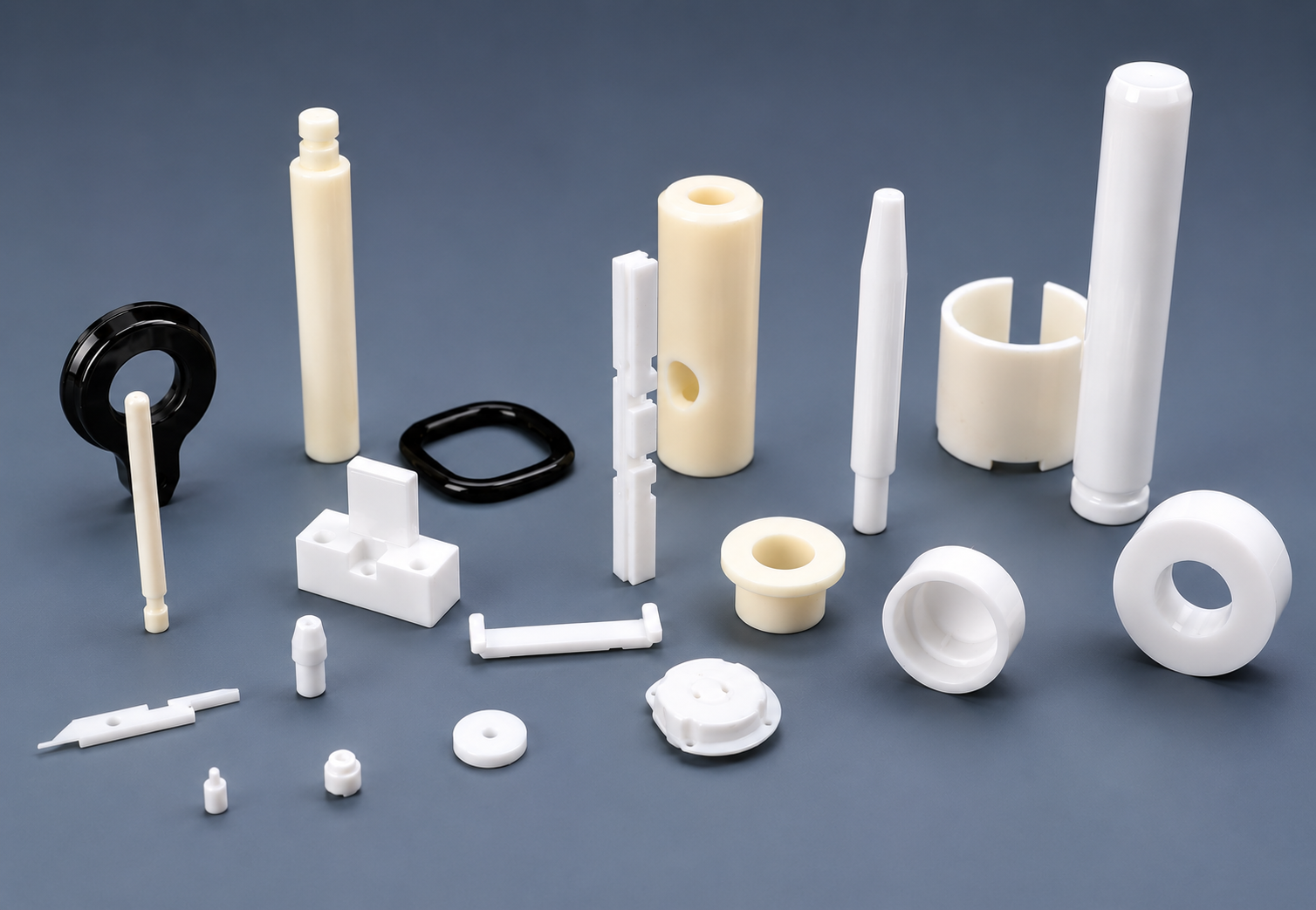
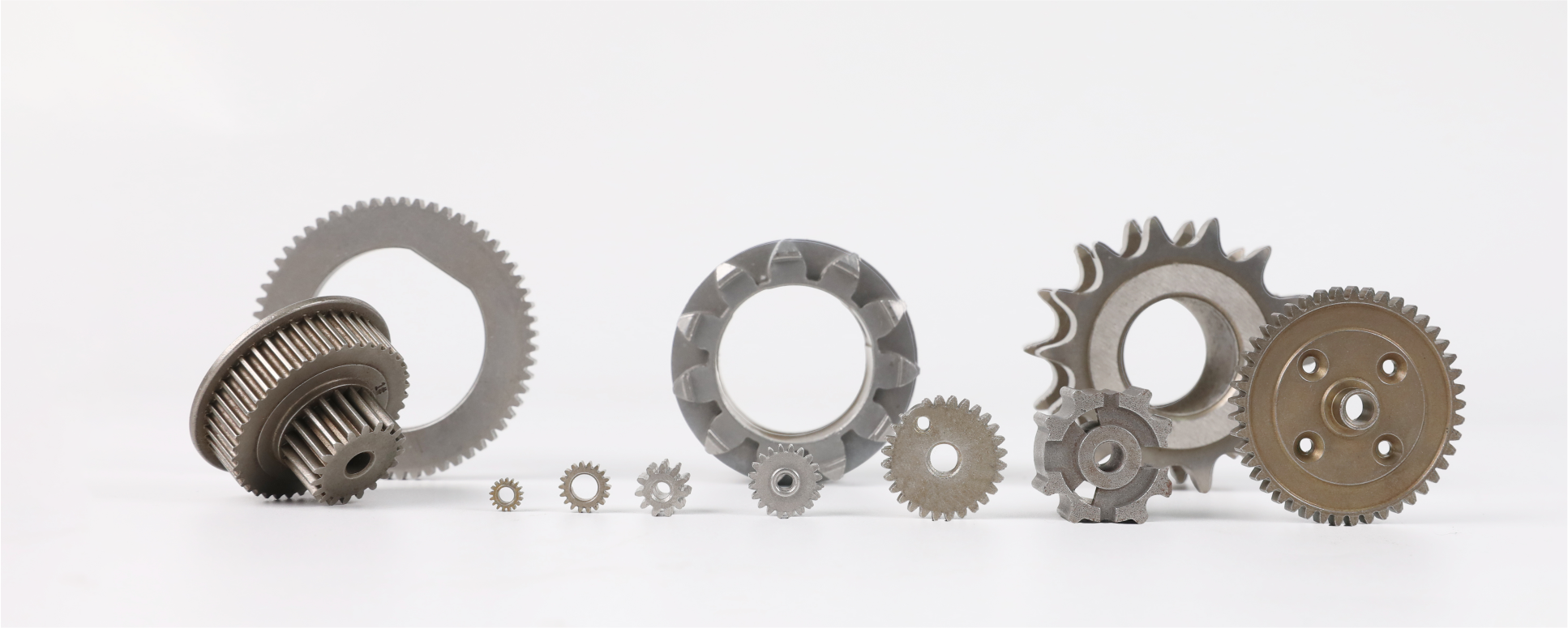
These are not standard off‑the‑shelf cutting tools. They’re usually custom‑designed, small, highly complex pieces—such as nozzles, inserts, wear caps, or small tooling components—where conventional machining is too costly or geometrically impossible.
MIM tungsten carbide parts sit between two worlds:
-
On one side: fully machined solid tungsten carbide (very hard, very expensive, limited in geometry).
-
On the other side: conventional MIM stainless or low‑alloy steel parts (cheaper, easier to make, but softer).
Tungsten carbide MIM parts sit in the “hard and complex” zone, and that’s where they’re most useful.

Why Use Metal Injection Molding for Tungsten Carbide Parts?
Key advantages include:
-
Complex geometries
You can achieve internal angles, thin walls, undercuts, and small features that would be extremely hard or impossible to mill out of a solid carbide blank. -
High‑density material (near theoretical)
Good MIM processes for tungsten carbide reach 97–99% of theoretical density, which translates into mechanical strength and hardness close to conventional hard‑metal parts. -
Better yield and lower waste
You’re not removing material from a big blank; you’re building the part more or less where it needs to be. Less dust, less waste, and lower cost per piece if volumes are right. -
Good dimensional consistency at scale
Once the process is locked in, thousands of parts come out with very similar size and shape, which matters for assembly‑line‑style use. -
High hardness and wear resistanceTungsten carbide MIM parts stay very hard after sintering, so they resist wear and abrasion far better than softer MIM stainless steel—important for nozzles, wear parts, cutting edges, and contact features.
On the flip side, MIM tungsten carbide isn’t magic. The process requires:
-
Very fine, uniformly graded tungsten carbide powder.
-
Precise control of binder content, injection pressure, and sintering conditions.
-
A bit of extra attention to shrinkage and distortion because this is powder, not a solid bar.
What Kinds of Parts Work Well with Tungsten Carbide MIM?
If you’re wondering “Can I actually do my part with this?” it helps to see what kinds of applications tungsten carbide MIM parts already appear in.
Typical use cases include:
-
Nozzles and spray tips
Longer‑lasting, wear‑resistant components for high‑pressure or abrasive fluid applications. -
Small cutting or guiding inserts
Not full‑size end mills, but small carbide inserts or guiding elements attached to larger tool bodies. -
Wear‑resistant components
Bushings, guide pins, contact faces, or small liners that must resist abrasion and deformation. -
Miniaturized tooling or electrodes
Hard, small shapes used in specialized tooling, EDM, or measurement setups.
In practice, tungsten carbide MIM parts excel when:
-
The part is small to medium (usually under a few centimeters in any dimension).
-
The geometry is complex (multiple curves, undercuts, small holes, channels).
-
The load is wear‑ and impact‑based, not huge bending.
-
You’re running medium to high volumes, where the tooling cost is justified.
If your part looks like a small, intricate, very hard “module” in a bigger tool or machine, it’s worth evaluating whether a MIM tungsten carbide solution fits.
How Does the Process Work in Practice?
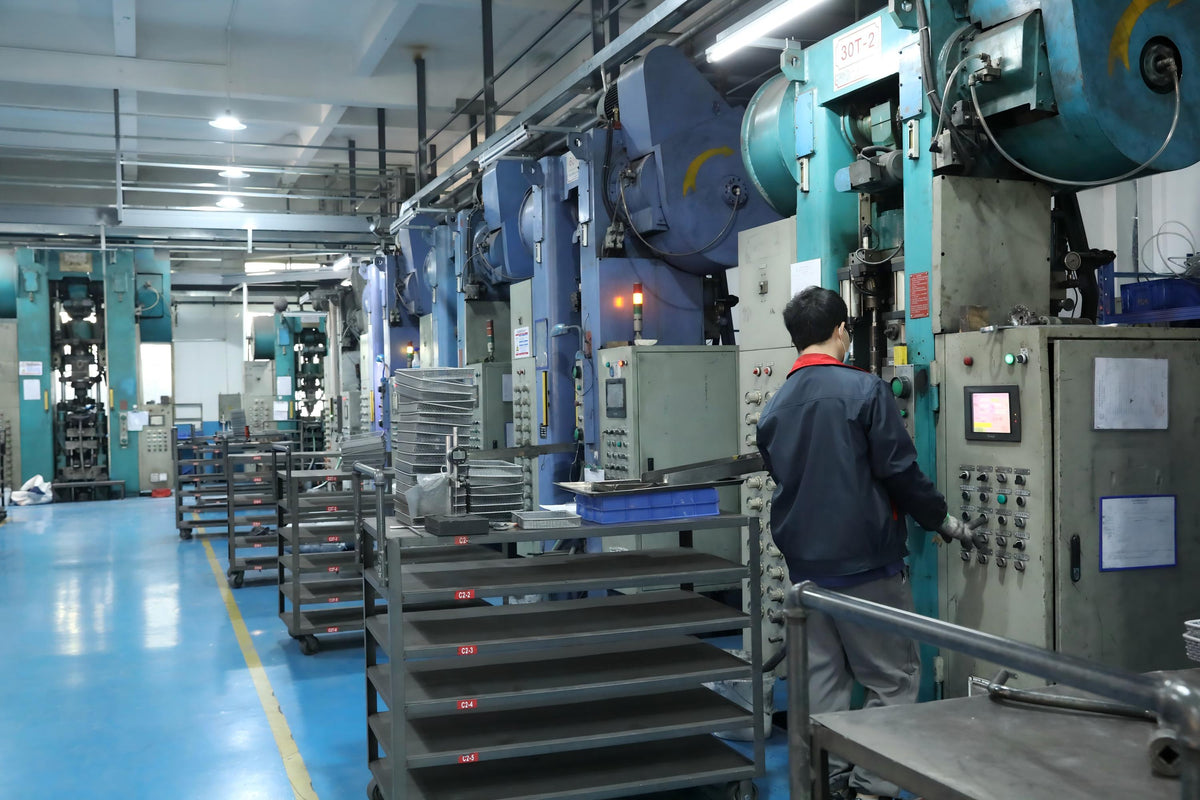
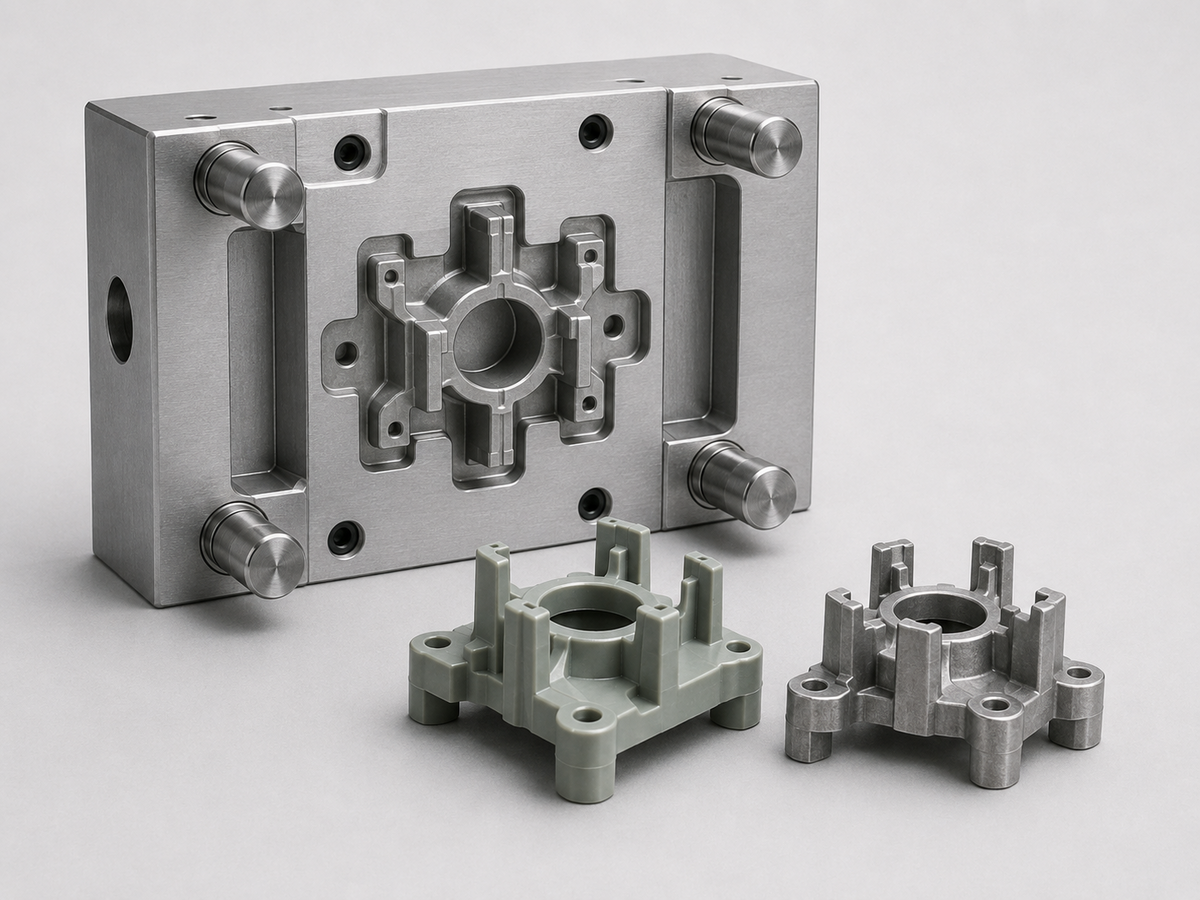
Roughly, a Metal Injection Molding tungsten carbide parts workflow looks like this: Powder + binder → Injection molding → Debinding → Sintering → Post-processing.
That looks simple on paper. In reality, this is where part quality is decided and each step affects the final result much more than many people expect.
1. Material preparation
Tungsten carbide powder is mixed with a polymer binder to form a feedstock that can flow under pressure.
2. Injection
The feedstock is injected into a steel mold, forming a “green” part.
3. Debinding
The binder is slowly removed, usually through solvent or thermal treatment, leaving a fragile “brown” part.
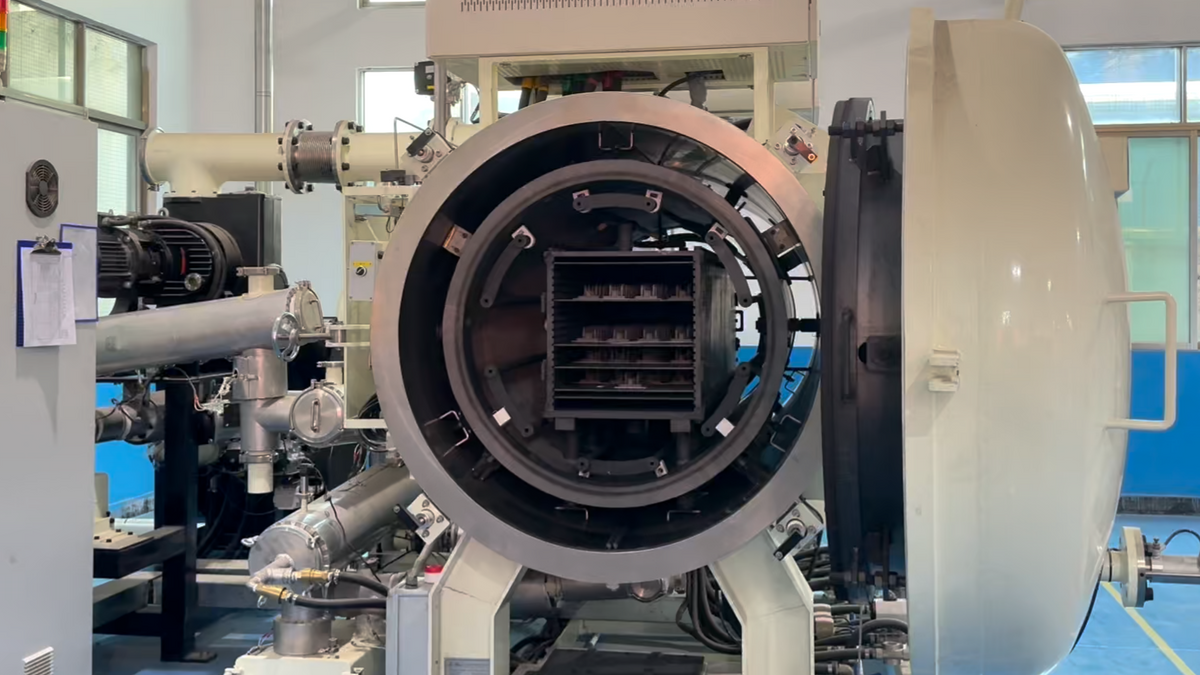
4. Sintering
The brown part is fired in a high‑temperature furnace; the particles bond together into a dense, solid metal structure.
5. Post-processing (optional)
Some parts may need light grinding, chamfering, or surface treatments to hit tight tolerances or specific surface qualities. Not every part needs much secondary work. But if a bore, edge, or sealing face is highly functional, some finishing may still be necessary.
From a client’s point of view, the main levers are:
-
Design for MIM: avoid sharp corners without radius, respect minimum wall thickness, and think about how the part will shrink.
-
Tolerance requirements: MIM can hit tight geometries, but super‑high‑precision surfaces are often better left to post‑processing or alternative routes.
-
Volume and lead time: MIM shines once you’re looking at hundreds or thousands of parts, not just a few prototypes.
What Affects Density, Hardness, and Surface Finish?
This is where carbon content, tungsten carbide grade, and process control all come together. Get them right, and you get a dense, hard, repeatable tungsten carbide MIM part.
Density
Density in tungsten carbide MIM parts is strongly influenced by:
-
powder quality (purity, oxygen level, particle size distribution)
-
feedstock uniformity and binder ratio
-
molding consistency (injection parameters, tooling condition)
-
debinding quality and sintering profile
Poor control can leave pores, weak spots, or uneven density—especially concerning for high‑stress edges or wear faces. Good tungsten carbide MIM processes can reach 97–99% of theoretical density, which closely matches conventional hard‑metal parts.
Hardness
Hardness in tungsten carbide MIM parts depends on both the starting carbide grade (WC–Co or similar) and how well the sintering profile is controlled. It’s not just “pick a grade and get a number”; the structure you build during sintering directly affects how hard the part really is. A well‑tuned sintering cycle keeps grains fine and uniform, which helps maintain high hardness and toughness at the same time.
Surface roughness
Surface finish in tungsten carbide MIM parts is shaped by:
-
tool condition and gating design
-
powder characteristics and molding quality
-
whether the part receives diamond grinding, lapping, or polishing afterward
For nozzles, wear parts, cutting edges, and contact features, the as‑sintered surface may not be enough; many high‑precision applications need final grinding or polishing to hit target Ra values.
What Are the Limits and Risks?
Custom tungsten carbide MIM parts work very well—but they’re not right for every design. If the geometry or tolerances push the limits of the process, things get tricky quickly.
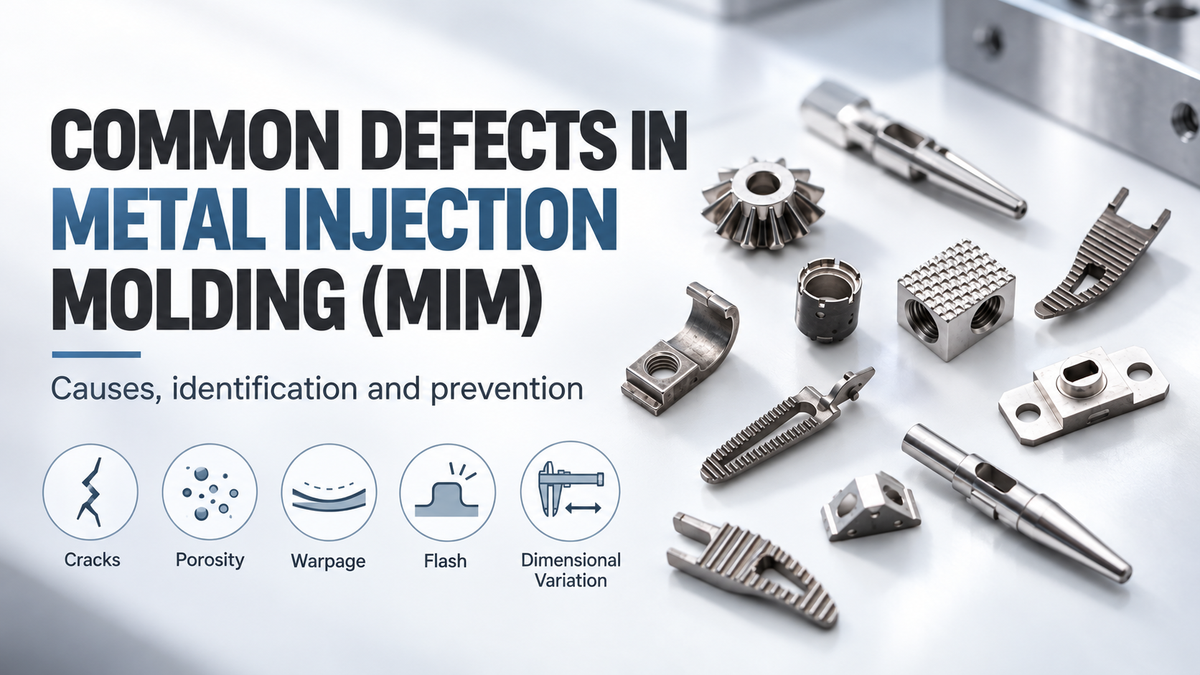
Common risk points
-
Shrinkage variation
The part shrinks during sintering; that is normal. The challenge is to control it uniformly so features stay in tolerance. -
Distortion
Large wall‑thickness changes, long unsupported sections, or uneven mass distribution can all create distortion. -
Density variation
If powder flow or sintering is not well controlled, internal density can vary, leading to weak spots. -
Cracking or chipping
This can happen during debinding, sintering, handling, or later in use if the design is too aggressive or corners are too sharp. -
Too much reliance on post‑machining
If you still need heavy grinding or EDM after sintering, the cost advantage of tungsten carbide MIM drops fast.
In short, tungsten carbide MIM is powerful where you can match the material’s hardness to a well‑behaved geometry and controlled process—so every design decision matters.
Custom vs Standard: When Does Tungsten Carbide MIM Make Sense?
Not every hard‑metal component needs to be custom tungsten carbide MIM parts. Here’s how to think about it:
In short:
-
If you can by conventionally grinding a standard blank, that’s usually easier.
-
If your geometry is “weird”—lots of curves, thin walls, integrated channels—custom MIM tungsten carbide parts become very attractive.
Where XY‑GLOBAL Fits In
-
Review your design and suggest small changes to make it more MIM‑friendly.
-
Select the right tungsten carbide powder grade and sintering profile so your MIM tungsten carbide parts meet your hardness, wear, and strength requirements.
-
Support both prototypes and production runs, so you can test how the parts perform before committing to long‑term MIM tungsten carbide components.
Tungsten Carbide MIM Parts FAQs
Q: Can tungsten carbide MIM parts replace standard carbide cutting tools?
A: For full‑size cutting tools (mills, drills, end mills), usually not directly. MIM works best for small, complex inserts or nozzles, not full‑size tool bodies.
Q: How hard are MIM tungsten carbide parts?
A: When sintered properly, MIM tungsten carbide parts can reach hardness similar to conventional cemented carbide (often around 85–90 HRA), suitable for high‑wear environments.
Q: What’s the typical volume where MIM tungsten carbide becomes cost‑effective?
A: Generally, hundreds to thousands of parts. Prototypes are possible, but unit cost usually drops nicely once you cross into true production volumes.
Q: Can XY‑GLOBAL work with my existing material grade?
A: Yes, we can match common tungsten carbide grades and adapt feedstock and sintering to your application. If you only have a description, we can help recommend an equivalent.
Q: Do you offer fully custom designs or just production?
A: We offer both. You can send us a finished drawing, or we can help refine your concept into a manufacturable custom tungsten carbide MIM parts design.
Share:
17-4PH vs 304 Stainless Steel for Metal Injection Molding (MIM) Components
What is Sintering