

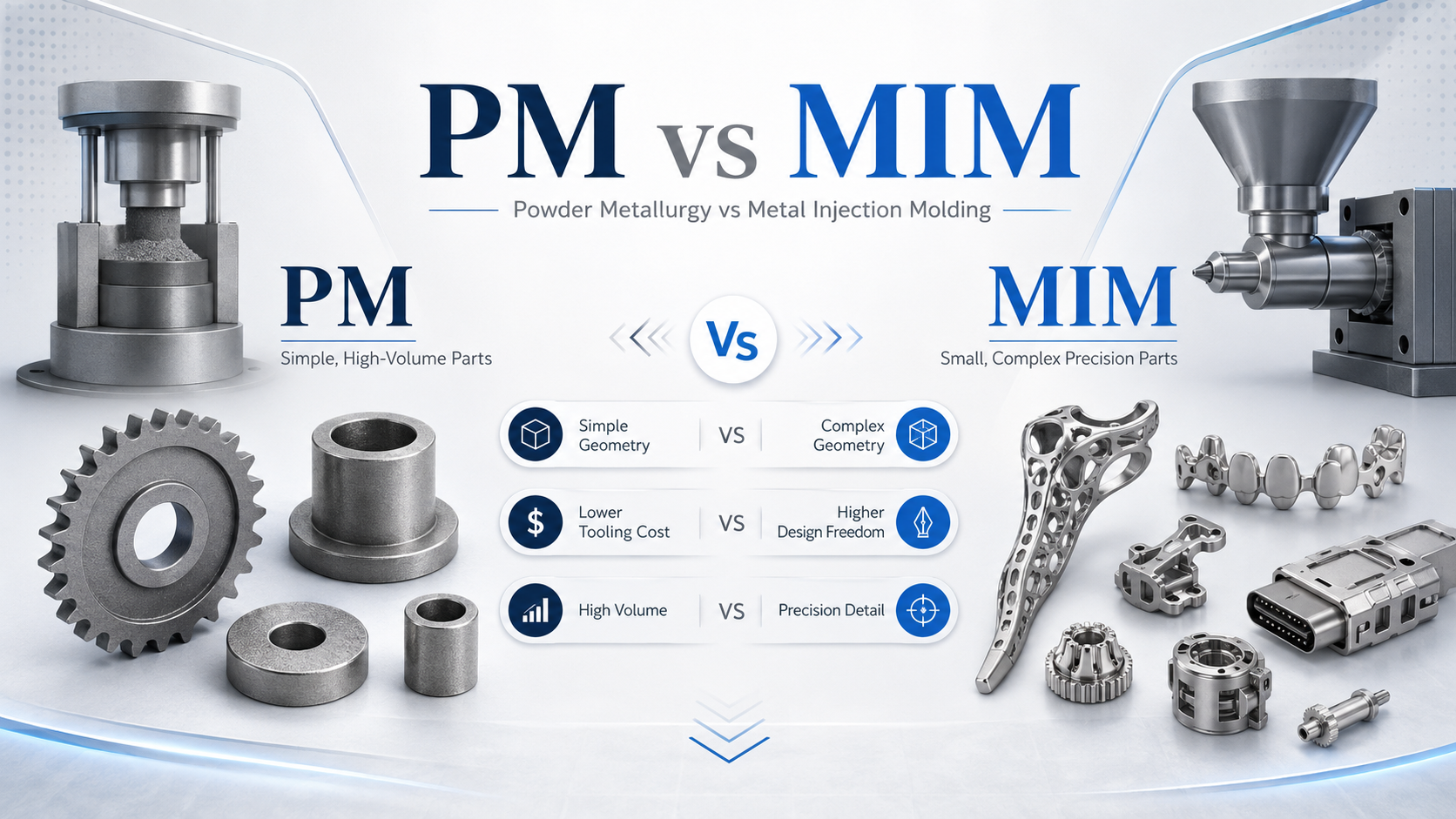
Cuando una pieza metálica se vuelve más pequeña y compleja, la metalurgia de polvos tradicional puede empezar a mostrar sus límites.
Una pieza simple de PM puede ser rentable. Pero cuando el diseño incluye paredes delgadas, orificios laterales, ranuras pequeñas, curvas complejas o requisitos dimensionales estrictos, el proceso puede necesitar mecanizado adicional. Esto puede aumentar el costo, el tiempo de entrega y el riesgo de calidad.
Aquí es donde el moldeo por inyección de metal, o MIM, se convierte en una alternativa sólida.
Con más de 15 años de experiencia en la fabricación de metales de precisión, XY-GLOBAL ha trabajado con clientes en MIM, metalurgia de polvos y otros proyectos de piezas metálicas personalizadas en las industrias médica, óptica, automotriz, electrónica y de hardware de precisión.
Este artículo compara MIM y PM desde un punto de vista práctico de fabricación. Explica cómo funcionan los dos procesos, dónde están sus límites, cómo se debe evaluar el costo y cuándo MIM puede ser una mejor opción para componentes metálicos pequeños, complejos y de alta precisión.
¿Qué es la metalurgia de polvos tradicional?
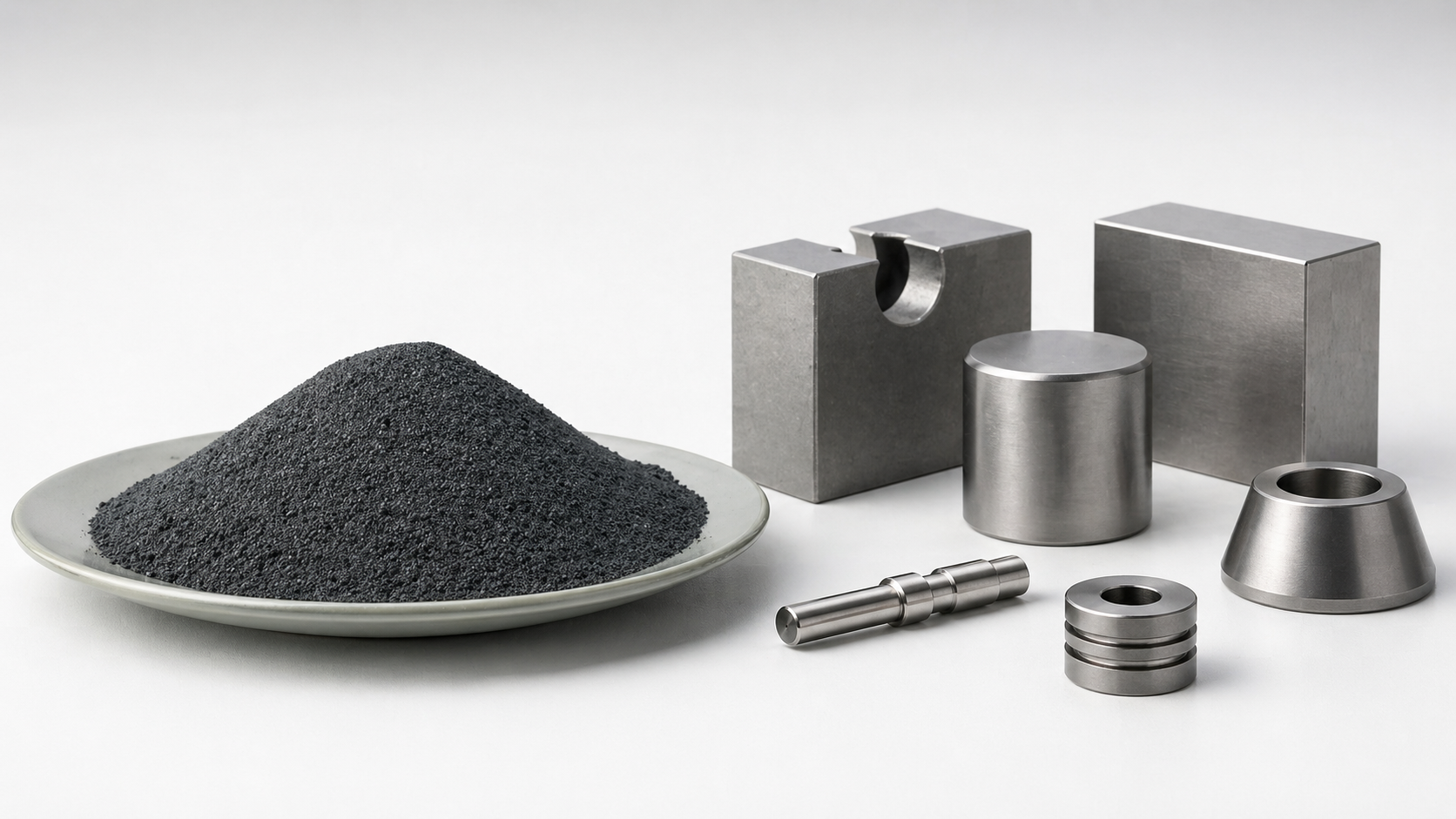
La metalurgia de polvos tradicional, también llamada PM, es un proceso de conformación de metales. En este proceso, el polvo metálico se prensa en un molde a alta presión. Luego, la pieza se sinteriza a alta temperatura para que sea más resistente.
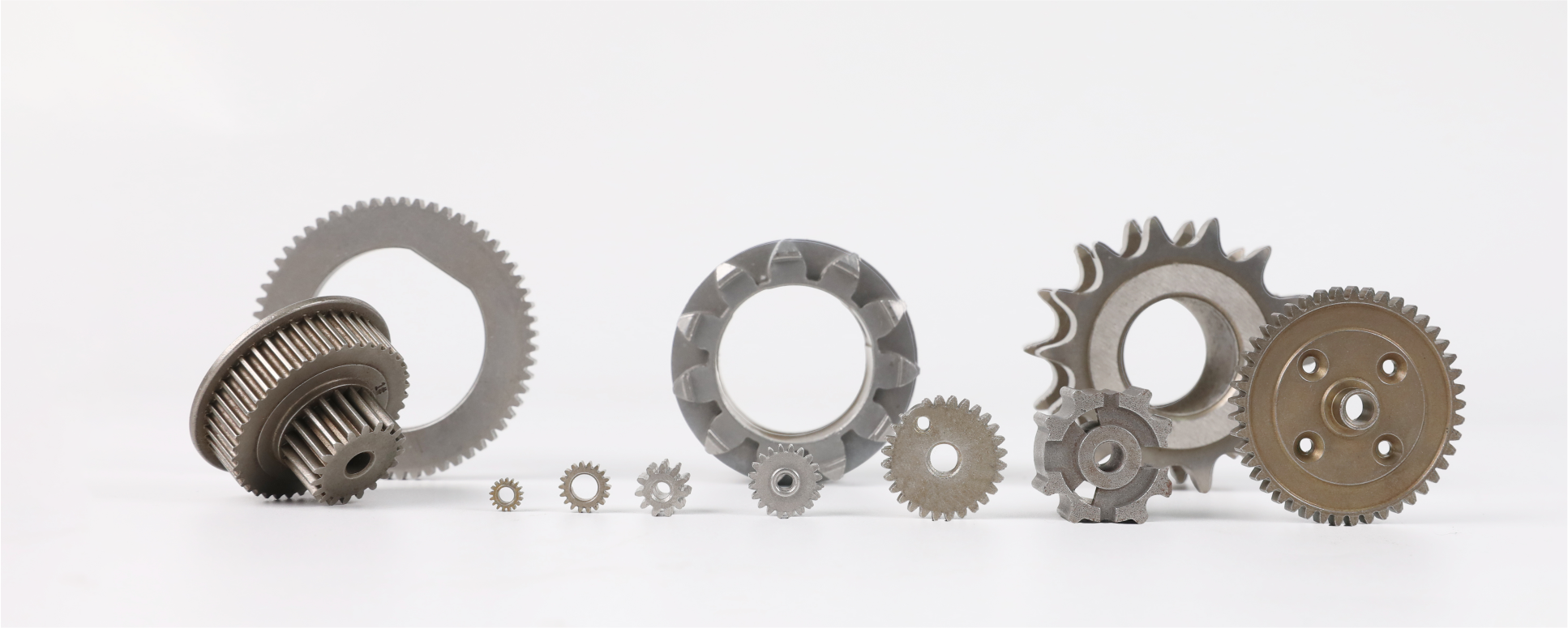
 La metalurgia de polvos es ampliamente utilizada porque puede producir grandes cantidades de piezas metálicas con menos desperdicio de material. A menudo se utiliza para piezas con formas simples para una fabricación económica y eficiente. Las piezas mecanizadas de metalurgia de polvos comunes incluyen engranajes, bujes, cojinetes, espaciadores, filtros y piezas estructurales simples.
Pero la PM también tiene límites claros. Dado que el polvo se prensa principalmente desde una dirección, la forma de la pieza está limitada por el proceso de prensado. Las formas simples son fáciles de hacer, pero las características tridimensionales complejas pueden ser difíciles. Los orificios laterales, las socavaduras, las paredes delgadas, las ranuras profundas y los detalles finos generalmente requieren mecanizado adicional o cambios de diseño.
Debido a esto, la PM es más adecuada para piezas con formas básicas y geometría relativamente simple.
¿Qué es el moldeo por inyección de metal?
El moldeo por inyección de metal (MIM) es un proceso que combina polvo de metal fino con un sistema aglutinante. El material mezclado se llama materia prima. Esta materia prima puede fluir hacia la cavidad de un molde, de manera similar al moldeo por inyección de plástico.
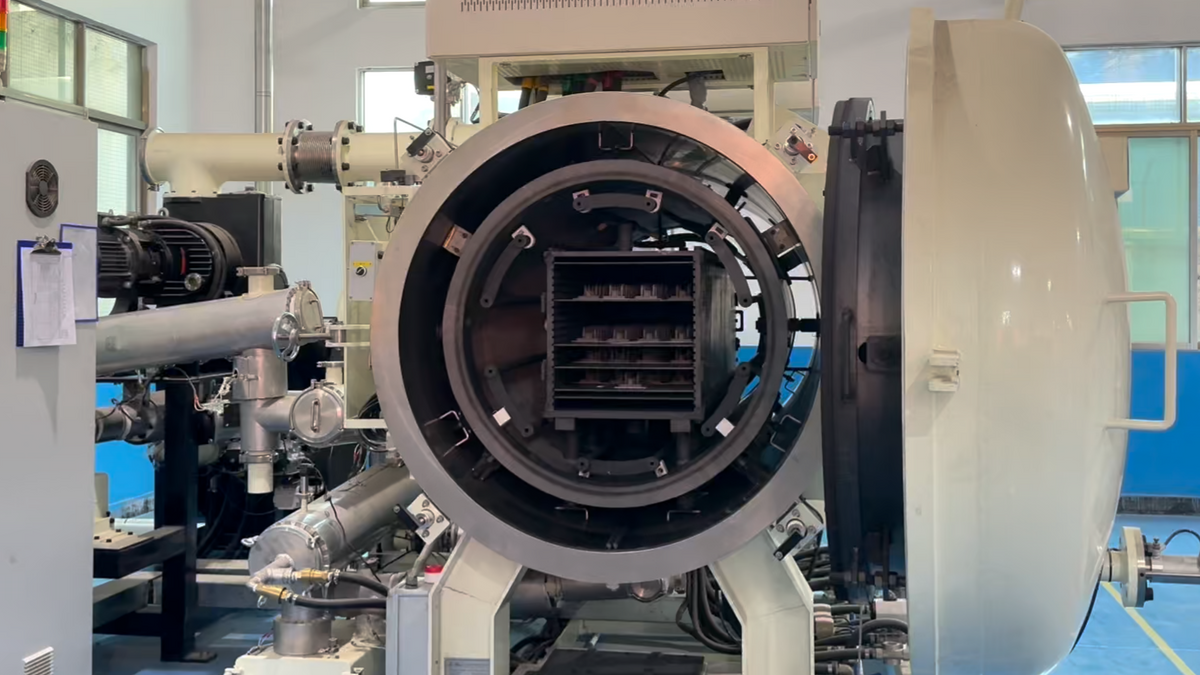
Después del moldeo, la pieza pasa por el desaglomerado y la sinterización. Durante estos pasos, el aglutinante se elimina y el polvo de metal se convierte en una pieza de metal sólida.

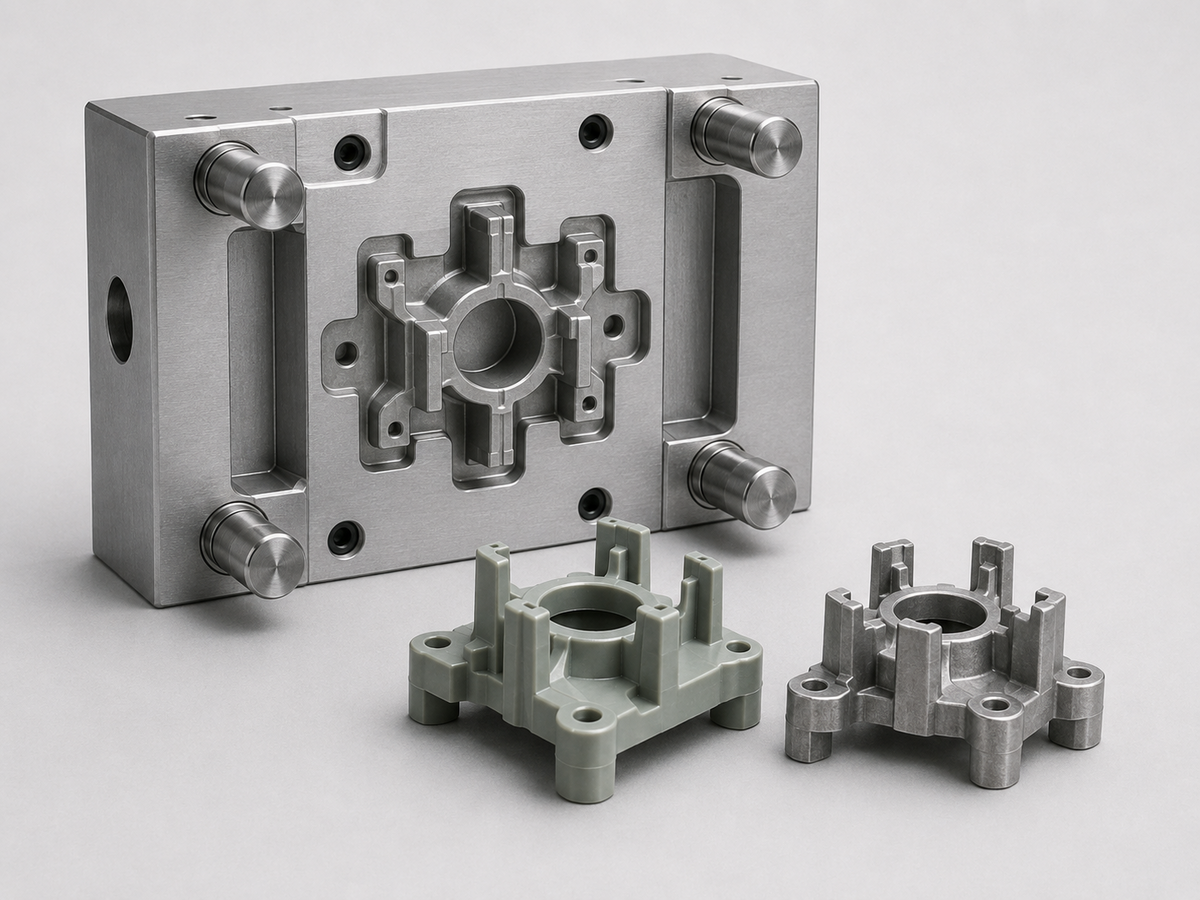
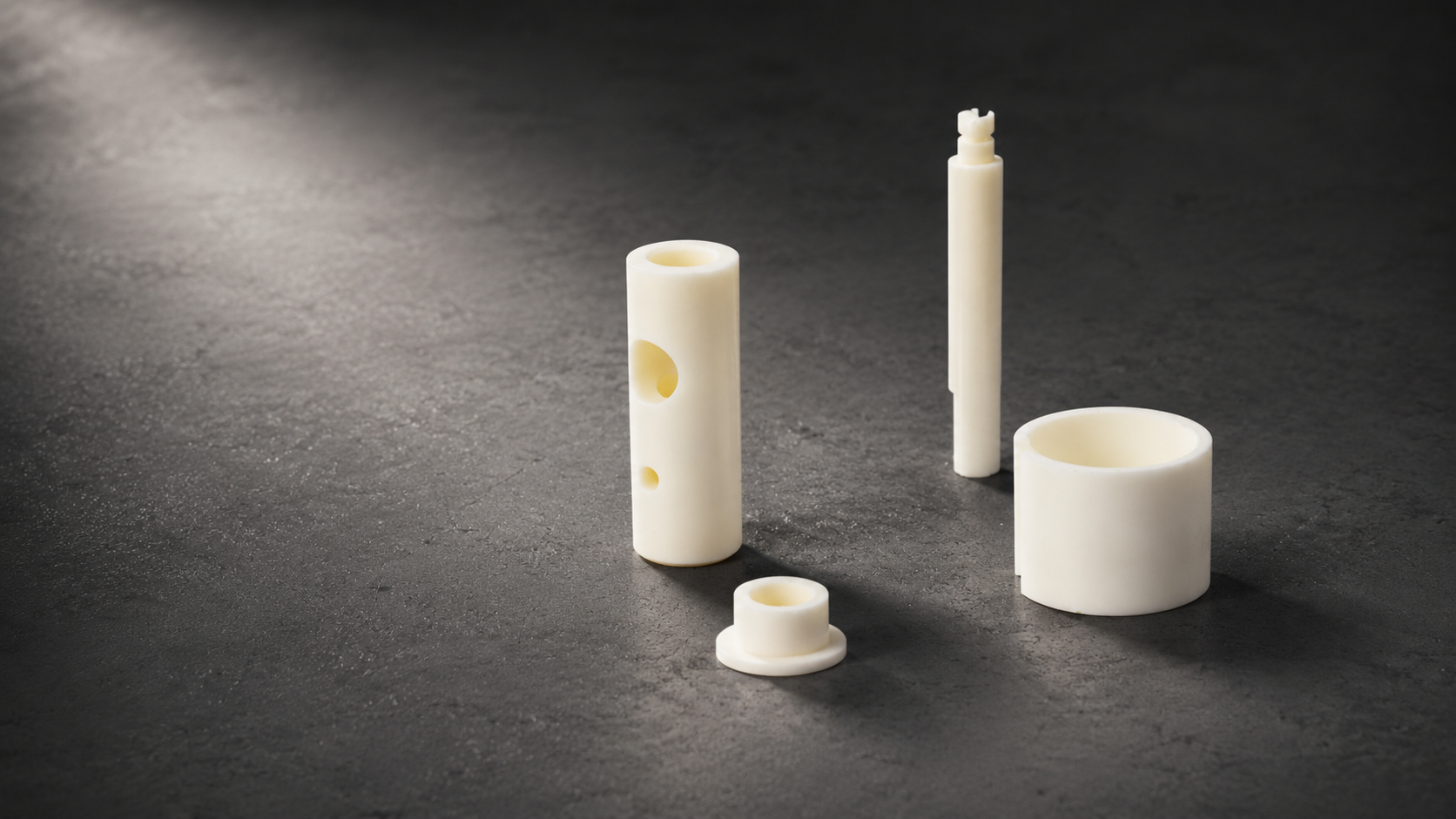
La principal ventaja del MIM es la libertad de diseño. Debido a que la materia prima se inyecta en el molde, el MIM puede formar formas más complejas que el prensado de polvo tradicional. Es especialmente adecuado para piezas pequeñas con características finas, superficies curvas, paredes delgadas y estructuras integradas.
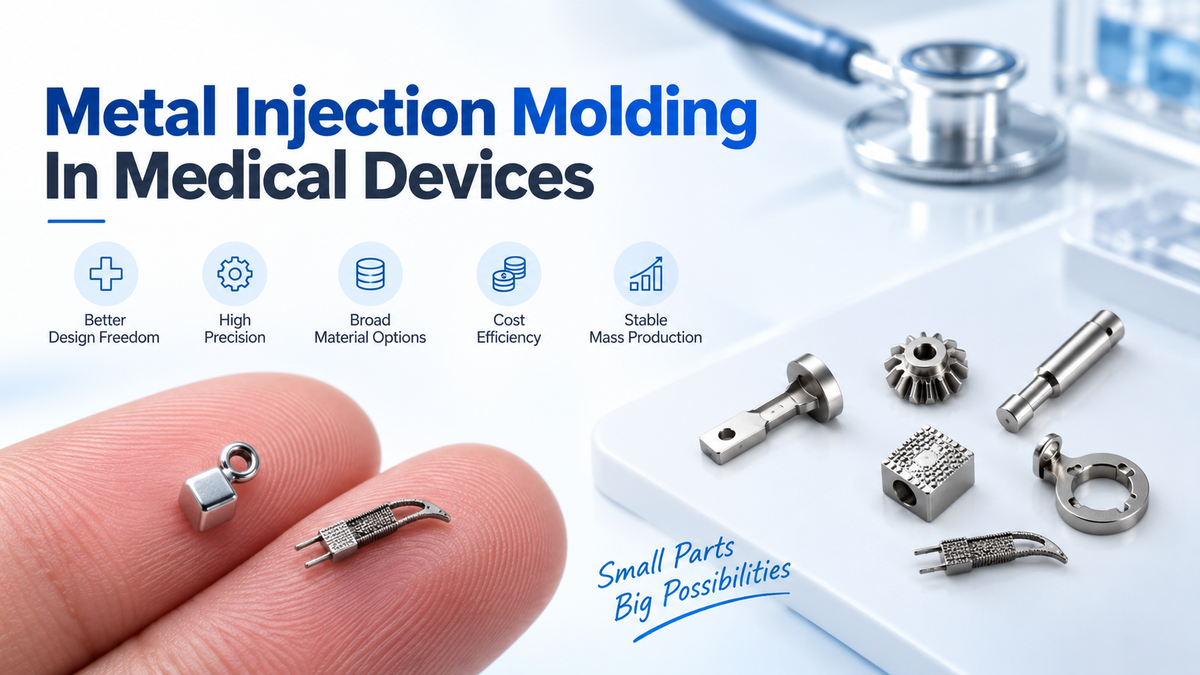
Esto hace que el moldeo por inyección de metal sea una buena opción para piezas de dispositivos médicos, componentes dentales, hardware electrónico, piezas de precisión automotriz, piezas de relojes, componentes de herramientas y micro piezas metálicas.

Por qué el moldeo por inyección de metal puede ser mejor para piezas metálicas complejas
MIM puede crear formas más complejas
MIM puede reducir el mecanizado secundario
Esto añade más pasos de producción. También aumenta el tiempo de entrega y la variación del proceso.
El MIM a menudo puede formar muchas características directamente en el molde. Esto no significa que todas las piezas moldeadas por inyección de metal no necesiten postprocesamiento. Algunas piezas aún pueden requerir mecanizado, pulido, tratamiento térmico o tratamiento superficial.
Sin embargo, en comparación con la PM, el MIM a menudo puede reducir la cantidad de mecanizado secundario requerido. Para la producción de alto volumen, esto puede mejorar tanto la eficiencia de costos como la consistencia de la calidad.
MIM es mejor para piezas pequeñas de precisión
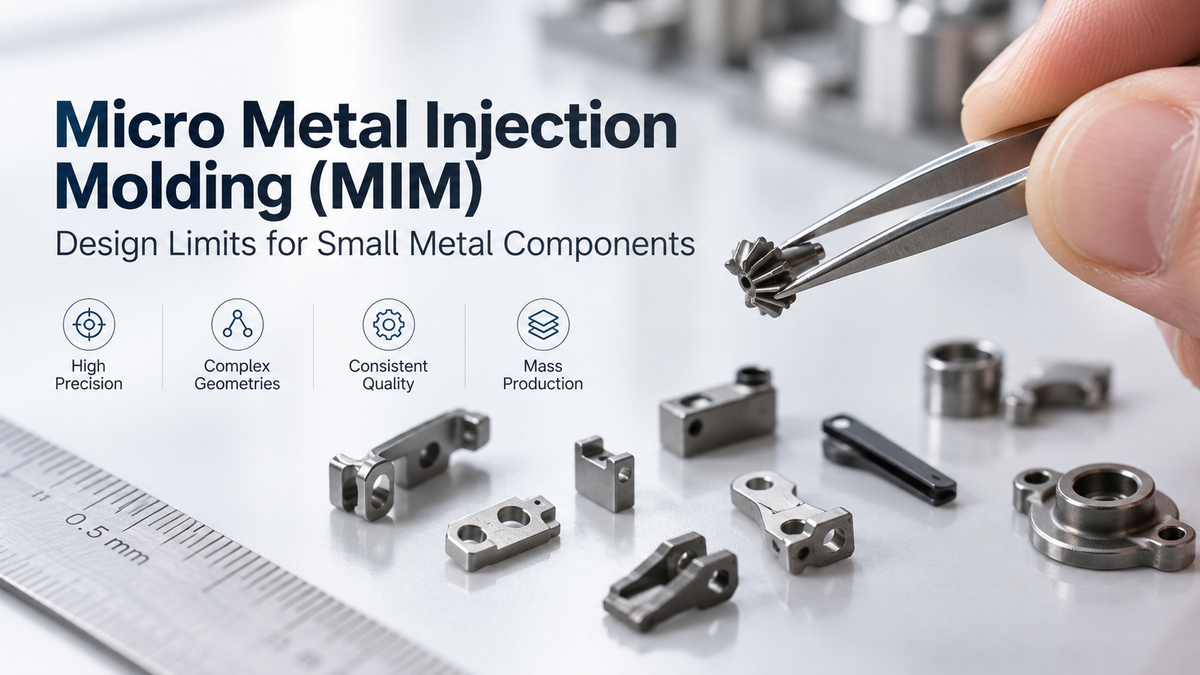
El moldeo por inyección de metal es especialmente útil para piezas metálicas pequeñas. Cuando una pieza es muy pequeña, el mecanizado CNC puede volverse lento y costoso. La PM tradicional también puede tener dificultades para fabricar características finas.
MIM puede producir piezas pequeñas con formas complejas en grandes cantidades. Por eso se utiliza ampliamente en industrias como:
- dispositivos médicos
- productos dentales
- electrónica
- automotriz
- herramientas
- productos de consumo
- ensamblajes mecánicos de precisión
Para piezas pequeñas y complejas, el MIM puede ofrecer un buen equilibrio entre costo, precisión y eficiencia de producción.
MIM puede lograr mayor densidad
Muchas piezas de MIM pueden lograr una densidad más alta que las piezas de PM convencionales después de la sinterización.
Una mayor densidad generalmente significa una mejor resistencia, una mejor resistencia al desgaste y una mejor resistencia a la corrosión. Esto es importante para las piezas que deben ser pequeñas pero aun así fuertes.
Por ejemplo, las piezas de dispositivos médicos, los componentes dentales y las piezas mecánicas de precisión a menudo necesitan un buen rendimiento mecánico. En estos casos, el MIM puede ser más adecuado que la PM tradicional.
Por supuesto, el rendimiento final depende del material, el diseño de la pieza, el proceso de sinterización y el control de calidad. Pero en muchas aplicaciones de precisión, el MIM puede proporcionar un rendimiento general más sólido.
MIM ofrece mejor detalle de superficie
MIM puede producir detalles finos en la superficie y formas más limpias.
Esto es útil cuando la pieza tiene características pequeñas o necesita una mejor apariencia. Para algunos productos, la pieza no solo es funcional sino también visible. Una mejor superficie puede reducir el trabajo de acabado adicional.
MIM se utiliza a menudo cuando la pieza necesita:
- detalles finos
- superficies lisas
- características pequeñas
- bordes limpios
- producción casi a la medida
Esta es otra razón por la que MIM está reemplazando a PM en algunas aplicaciones de alta precisión.
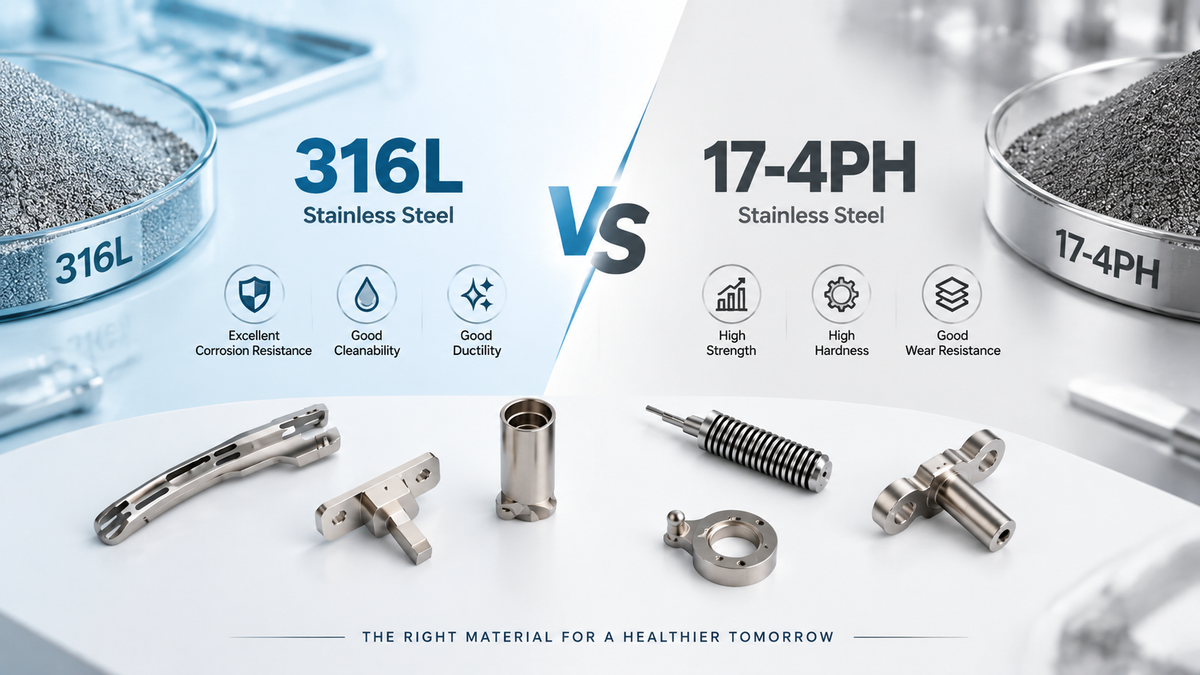
Materiales comunes utilizados en el moldeo por inyección de metal
Aplicaciones típicas donde MIM puede reemplazar a PM
Componentes de dispositivos médicos
Componentes dentales
Piezas electrónicas
Piezas de precisión para automóviles
Microcomponentes metálicos
Cuando la metalurgia de polvos sigue siendo la mejor opción
MIM está reemplazando a la PM tradicional en aplicaciones de piezas metálicas pequeñas, complejas y de alta precisión.
Cuando el MIM puede no ser la opción correcta
Consideraciones finales
Preguntas frecuentes
La principal diferencia es el método de conformación. PM utiliza prensado de polvo, mientras que MIM utiliza moldeo por inyección. Debido a esto, MIM puede producir formas más complejas y detalles más finos que la PM tradicional.
2. ¿Es MIM más caro que PM?
El costo de las herramientas de MIM suele ser mayor. Sin embargo, para piezas pequeñas y complejas, MIM puede reducir el mecanizado secundario y el costo de ensamblaje. En la producción de volumen medio a alto, el costo total puede ser competitivo.
3. ¿Es MIM adecuado para piezas de titanio?
Sí, el MIM de titanio se puede utilizar para piezas de titanio pequeñas y complejas. A menudo se considera para aplicaciones médicas, dentales, aeroespaciales y de alto rendimiento. Sin embargo, el MIM de titanio requiere un estricto control del proceso porque el titanio es sensible a la contaminación durante el procesamiento.
4. ¿Qué materiales se pueden utilizar en MIM?
Los materiales comunes de MIM incluyen acero inoxidable, acero de baja aleación, acero para herramientas, aleación de titanio, aleación de cobre, aleación de tungsteno y otros metales especiales. El mejor material depende de la aplicación y los requisitos de rendimiento.
5. ¿Qué industrias utilizan MIM?
MIM se utiliza en dispositivos médicos, productos dentales, electrónica, piezas de automóviles, herramientas, productos de consumo y componentes mecánicos de precisión.
Compartir:
Una visión general de la metalurgia de polvos de tungsteno
Fabricación de Metal Pulvimetalúrgico: Proceso, Materiales, Beneficios y Piezas Personalizadas de PM